Online Reporter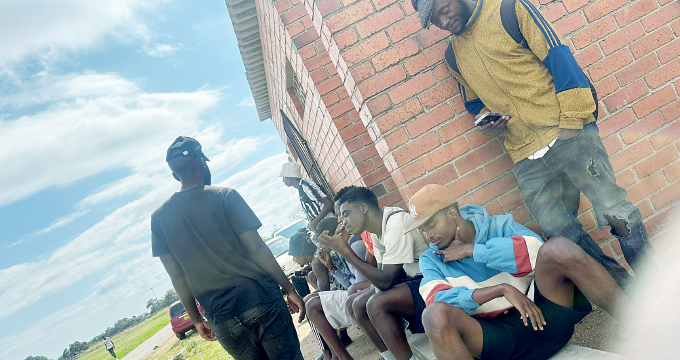
Innocent Kurira and lovemore dube, Zimpapers Sports Hub
HIGHLANDERS’ salary crisis played out in stark fashion yesterday morning, with players reporting for training but refusing to take part, leaving coach Benjani Mwaruwari to cut a lone and distraught figure at White City’s B Arena.
Highlanders yesterday afternoon released a statement to assure the players that they were not sitting on their laurels over the issue but doing everything possible to avert the deepening crisis in which salaries have not been paid from end of February.
“We have engaged our players and corporate partners with a view of resolving the impasse. As an employer the club is ever-seized with the welfare of its employees as an absolute priority,” said Bosso in a statement yesterday afternoon.
What should have been a routine build-up session ahead of Sunday’s Castle Lager Premier Soccer League clash with Triangle instead turned into a silent standoff, underlining the deepening unrest within the Bosso camp.
Mwaruwari paced the pitch almost alone, occasionally glancing toward his players, who had gathered but opted against training. It was a telling image of a coach trying to hold things together under increasingly difficult conditions.
From a distance, team manager Zenzo Moyo appeared equally troubled, locked in a series of phone calls as he seemingly searched for answers to a crisis that has once again gripped the club.
The players refused to train.
Only 11 players briefly took to the pitch, engaging in light drills which they made clear were purely for personal fitness rather than part of any structured session. The rest remained on the sidelines, watching as events unfolded without direction.
All in all, Bosso did not train.
It was a sorry state for a club of Highlanders’ stature, particularly in a landmark year in which the institution is celebrating its 100th anniversary.
The latest development comes amid fresh turmoil at the club after players once again downed tools over outstanding salaries, throwing preparations for their next assignment into disarray.
The playing squad, technical team and office staff have gone for two months without receiving salaries, triggering renewed unrest at a critical stage of the season.
The situation has become a recurring theme, with players having previously taken industrial action over the same issue earlier in the campaign, pointing to unresolved financial challenges within the club.
One senior player said the situation had become increasingly difficult to ignore.
“We have been patient for a long time, but it is now affecting everything, preparations, morale and even focus. It’s not easy coming to training when basic commitments are not being met,” said the player.
Another member of the squad said the decision to report for training but not participate was meant to strike a balance between professionalism and protest.
“We did not want to completely stay away because we respect the badge, but at the same time we cannot pretend everything is normal. That’s why we came but did not train,” said another player.
Meanwhile, Mwaruwari continues to shoulder the burden of keeping the team focused under difficult circumstances, even as off-field issues threaten to derail preparations.
The financial impasse has compounded Highlanders’ struggles in a season that they have yet to find rhythm. While there have been signs of improvement in attack, defensive frailties, particularly from set pieces, have cost the team, with goals conceded in their last three matches coming from such situations.
Highlanders have managed just one win in their opening 10 league matches, drawing eight, a record that reflects both resilience and frustration.
With their clash with Triangle at Barbourfields looming on Sunday, the on-going standoff raises serious concerns over the team’s readiness.
For a club of Highlanders’ stature, the combination of financial instability and inconsistent performances presents a worrying picture, leaving players, technical staff and supporters alike searching for answers.