Wallace Ruzvidzo
Herald Reporter
BOTSWANA is set to tap into Zimbabwean expertise in waste management after the Government and Geo Pomona Waste Management yesterday signed a Memorandum of Understanding to explore sustainable waste management projects in the neighbouring country.
The agreement is expected to facilitate the exchange of technical knowledge and expertise, while creating opportunities for investment, skills development and the development of green industries.
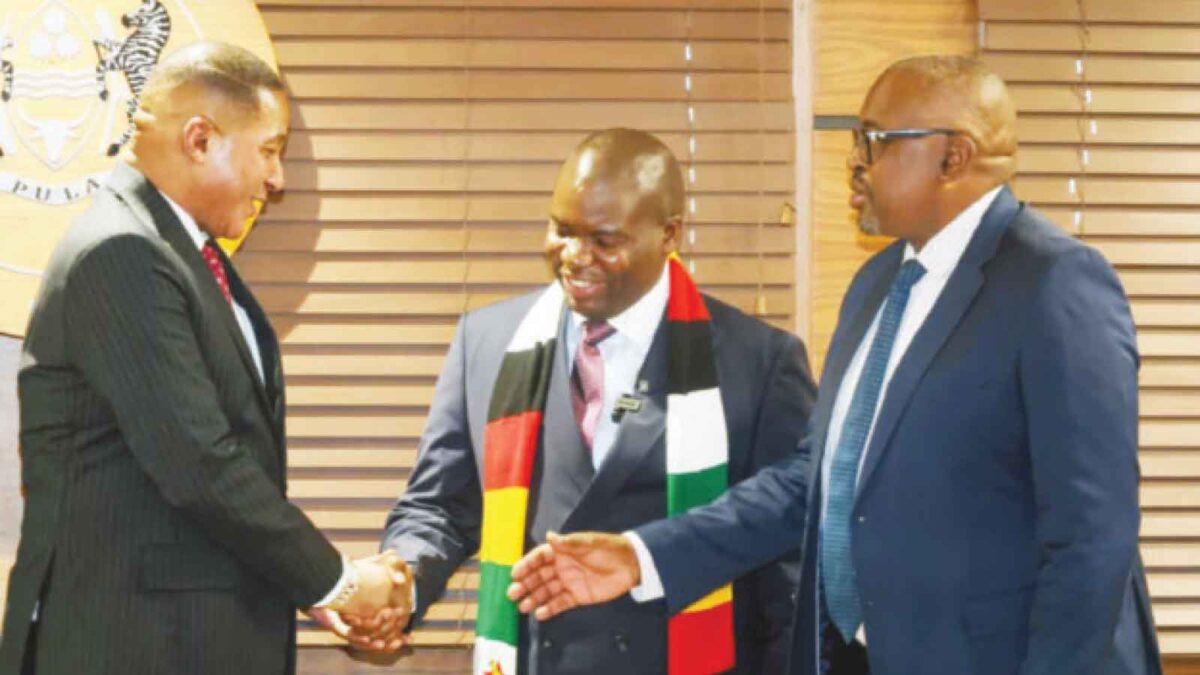
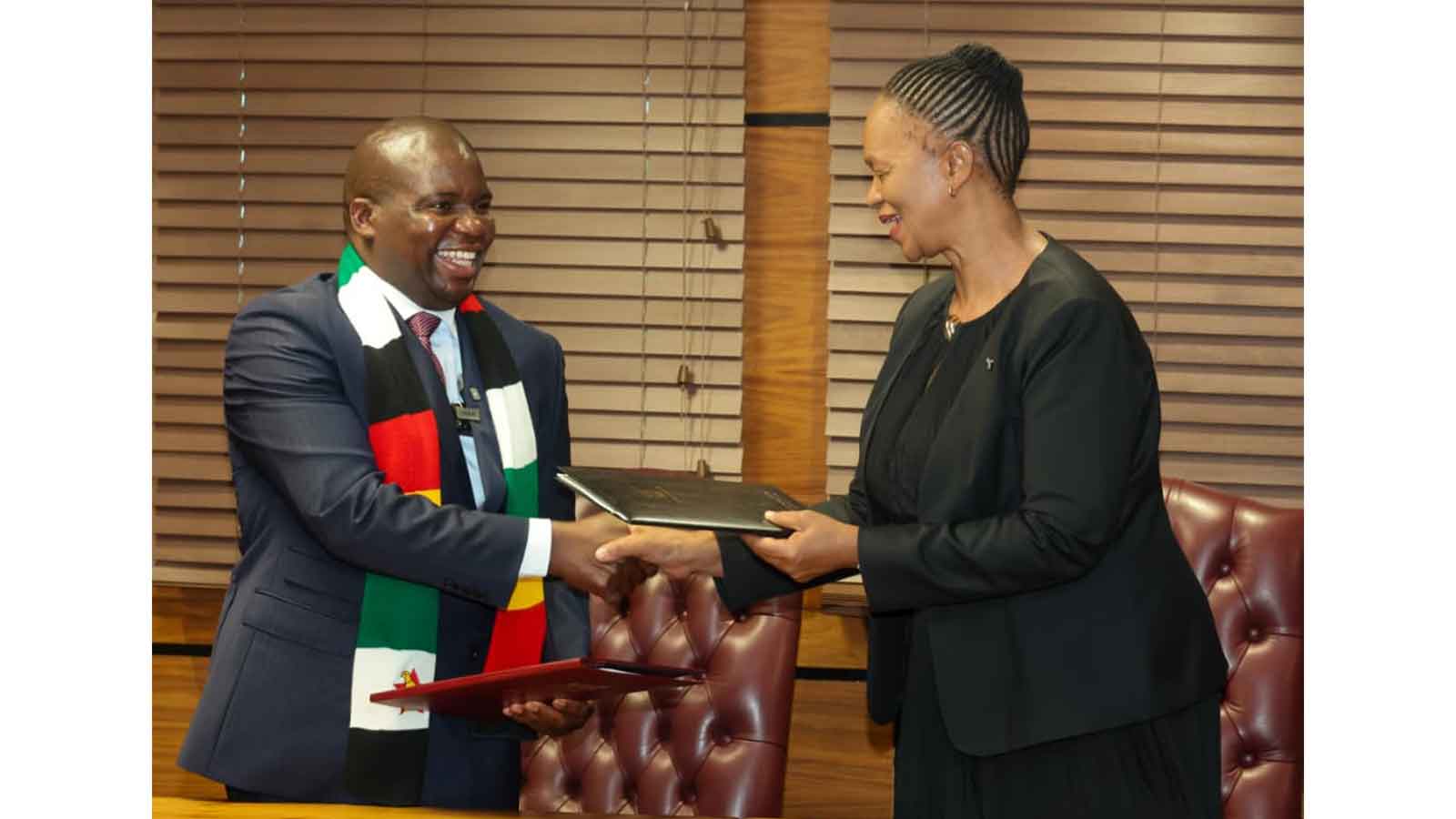
Botswana President Duma Boko witnessed the signing ceremony at his offices in Gaborone, where Special Advisor to the President on Waste Management and Environmental Sustainability Dr Dilesh Nguwaya, who is also Geo Pomona’s executive chairman and chief executive, signed on behalf of the company.
Botswana’s Minister of Local Government and Traditional Affairs, Ketlhalefile Motshegwa, signed on behalf of the Government.
President Boko said the agreement was due and urged the two parties to move swiftly from signing to implementation as Botswana seeks practical solutions to its waste management challenges.
“The signing of the Memorandum of Understanding today crowns a series of engagements that began with an initial visit by Geo Pomona to Botswana and I was able to visit their facility when I was in Harare and I was exceedingly impressed.
“Not just by the fact that they have expertise in dealing with waste, but they also turned what was an eyesore into one of the main attractions,” he said.
President Boko said the parties should have moved faster from their initial engagements to implementation.
“We are here now, and my concern is that it has taken way too long from the time of the first contact to today, we would have done well to have halved the time because we must always move from conception to action,” he said.
He said Botswana was looking forward to Geo Pomona transferring its expertise to the country to help address waste management challenges.
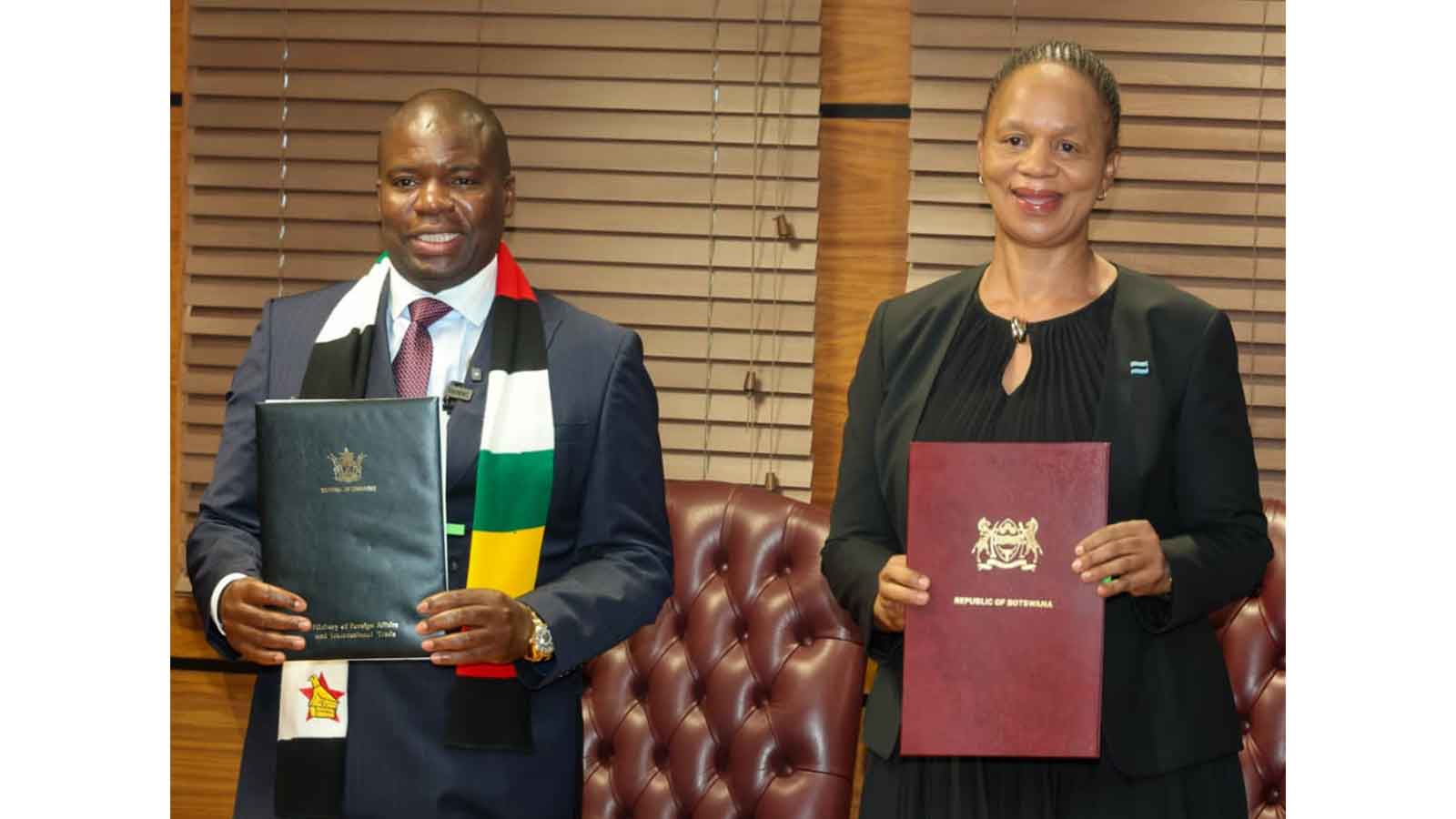
“I am grateful that we have reached this point (where) the Memorandum of Understanding is being signed which will be followed by more elaborate engagements that will culminate in the conclusion of contracts and technical documents that will see Geo Pomona deploying their expertise here in Gaborone and sharing those skills with us.
“We are grateful and we are happy with this conclusion of the Memorandum of Understanding,” he said.
Minister Motshegwa said Botswana was looking to be innovative in modernising the country’s waste management systems, making the MoU timely.
Dr Nguwaya said the agreement represented more than a formal commitment, providing an opportunity for the two countries to turn a shared environmental challenge into an avenue for economic and social development.
“Today we do more than sign an agreement, but we are committing to turning a shared regional challenge into a shared opportunity.
“This MoU opens a new chapter between Botswana and Zimbabwe, grounded in trust, African expertise and the conviction that environmental challenges demand coordinated action across borders,” he said.
The Special Advisor said the partnership should now move beyond policy commitments and focus on implementation, with waste being transformed from a challenge into a resource capable of supporting cleaner cities, stronger local economies and healthier communities.
“It is our opportunity to move decisively from policy to implementation and transform waste from a burden into a resource for cleaner cities, stronger local economies and healthier communities,” said Dr Nguwaya.
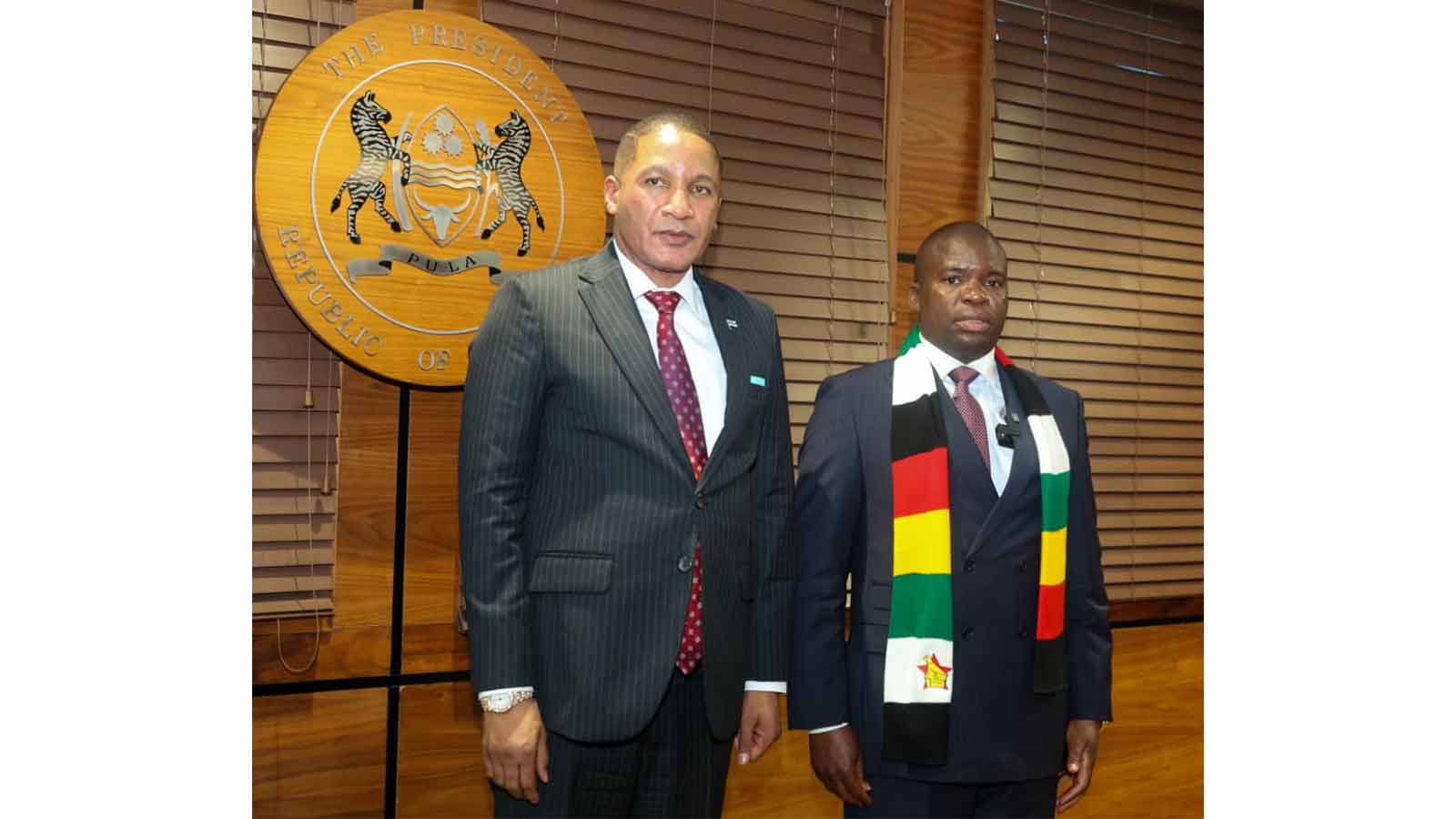
“By combining the leadership of the Government of Botswana with Geo Pomona’s operational experience, we can strengthen local authorities, develop integrated waste systems, transfer practical expertise and build lasting institutional capacity.”
He said the partnership was aligned with continental and global development frameworks, particularly the African Union’s Agenda 2063 and the Sustainable Development Goals.
“This partnership directly advances Agenda 2063, particularly Aspiration 1, Goal 7, on environmentally sustainable and climate-resilient economies and communities. It also supports Aspiration 2 on an integrated Africa.”
“It also advances SDGs 11, 12, 13 and 17 by converting global commitments into reliable municipal services, improved public health, green jobs and lasting environmental protection,” he said.
Dr Nguwaya said the immediate priority was to establish structures that would drive implementation, set measurable targets and mobilise the investment and technology required to deliver results.
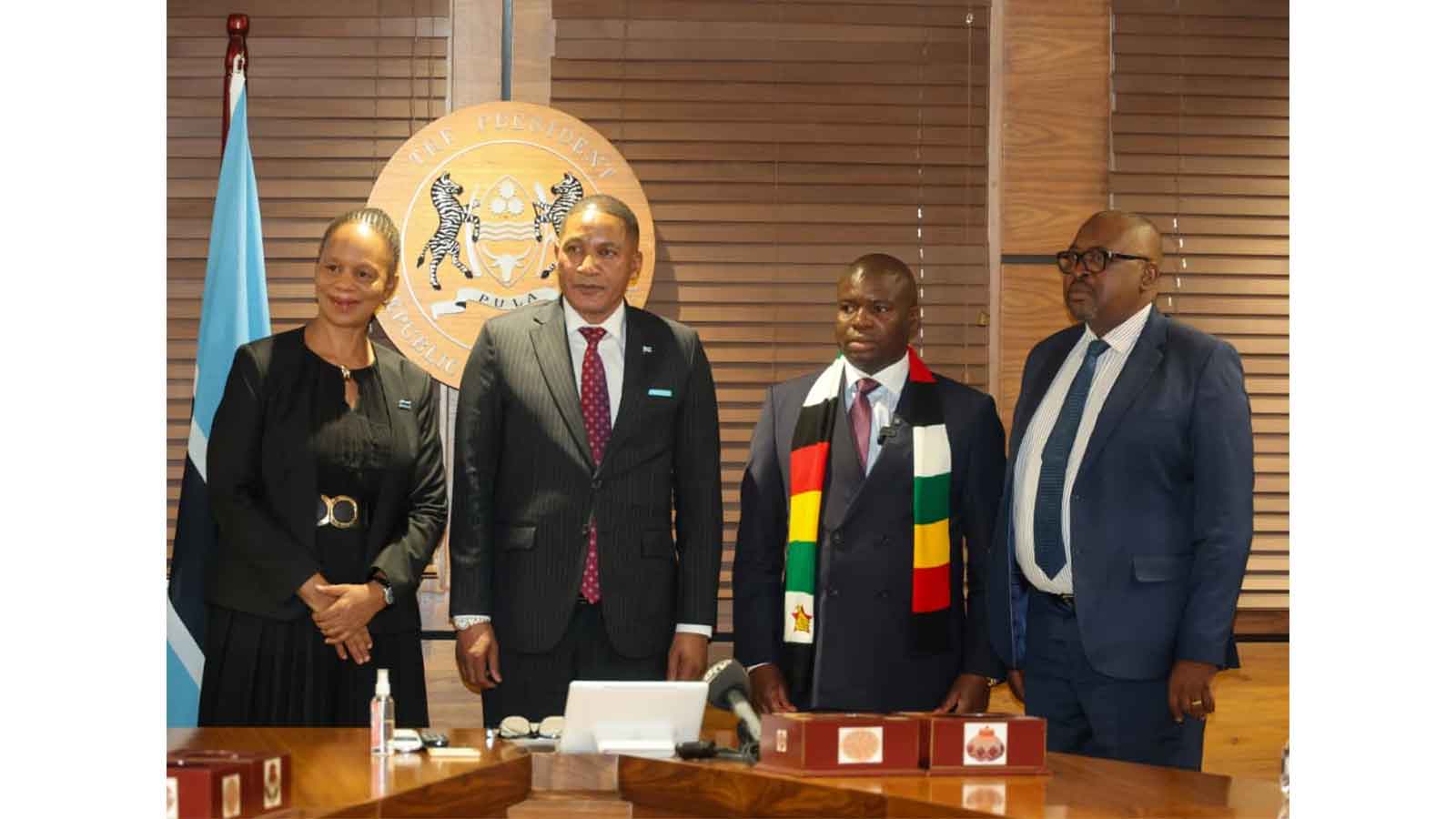
“Our task now is clear: establish joint implementation teams, agree on measurable priorities, mobilise investment and technology, and hold ourselves accountable for results,” he said.
“Let us replace isolated efforts with shared capability, fragmented responses with integrated systems, and environmental risk with circular-economy opportunity.”
He said the success of the partnership would ultimately be determined by its impact on communities and the quality of waste management systems established on the ground, rather than the signing ceremony itself.
“Let this MoU be judged not by the signatures we place on paper today, but by the cleaner cities, stronger institutions, new green jobs and healthier communities it delivers.
“The time for partnership and implementation is now. Botswana and Zimbabwe must lead by example, showing that African solutions, backed by political will and practical cooperation, can build a cleaner and more resilient Southern Africa that leaves no community behind,” he said.
Dr Nguwaya said the agreement would further strengthen relations between Botswana and Zimbabwe, creating a foundation for sustained cooperation anchored on trust, shared objectives and mutual benefit.
“Through this MoU, Botswana and Zimbabwe are cementing a relationship built on trust, shared purpose and mutual benefit,” he said.
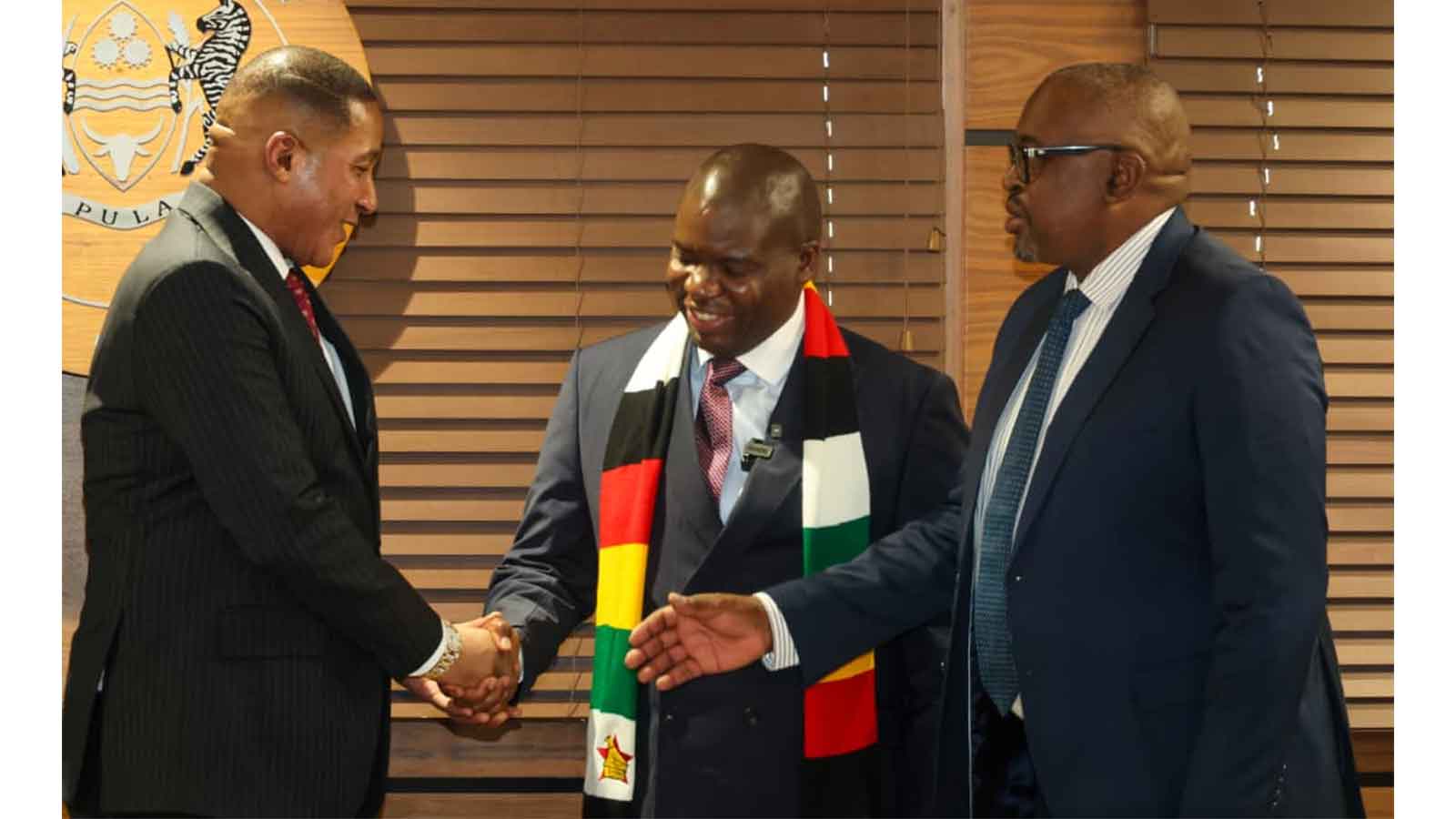
“This partnership is based on the principles of sustainable development and lays a firm foundation for deeper cooperation between our two nations.”
He said the two countries now had an opportunity to translate the commitments made through the MoU into practical benefits, including cleaner urban environments, stronger institutions and the development of green economies.
“Together, Botswana and Zimbabwe can turn this shared commitment into tangible progress: cleaner cities, stronger institutions, thriving green economies and healthier communities for generations to come.
“The time to act is now. Let us move forward with unity, urgency and resolve, and make this partnership a lasting example of African cooperation in action,” he said.
Under the MoU, the two parties will constitute a joint steering committee to spearhead the next phase of cooperation, including the exchange of information, technical knowledge and experience.
The committee will also facilitate the identification and assessment of potential sustainable waste management projects and areas of cooperation.
The agreement builds on discussions between Botswana and Geo Pomona that have been underway since 2024, with the latest development signalling a shift towards concrete implementation.
The partnership is expected to provide a platform for Botswana to tap into Zimbabwean expertise and experience in integrated waste management, while creating opportunities for investment, skills development and the growth of green industries.