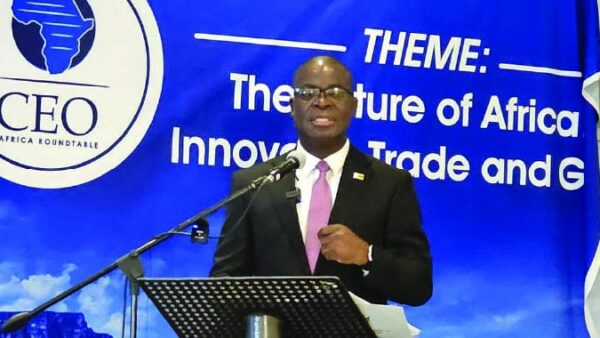
Mukudzei Chingwere, [email protected]
BOTSWANA has called for an enhanced economic partnership with Zimbabwe as it accelerates efforts to diversify its economy from an overreliance on diamonds towards new growth sectors, including cattle ranching, manufacturing and value-added industries.
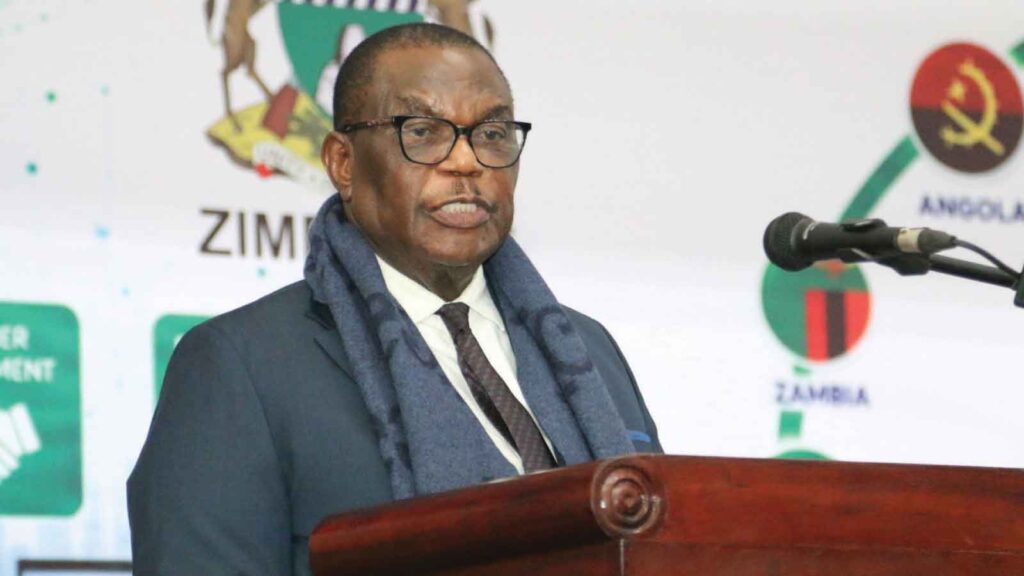
Botswana Vice President Ndaba Gaolathe, who is on a visit to Zimbabwe, made a courtesy call on Vice President Dr Constantino Chiwenga yesterday, where discussions centred on expanding cross-border business linkages, attracting investment and strengthening economic cooperation between the two neighbouring countries.
Economic diversification was a key theme of VP Gaolathe’s engagements. He said Botswana had for years spoken about broadening its economic base, but challenges facing the global diamond market had made it imperative for the country to move beyond policy discussions and focus on implementation.
He said the Botswana Economic Transformation Programme was designed to build the country’s capacity to execute development projects at scale by turning opportunities into viable investments, particularly in sectors such as solar energy, technology and manufacturing, while opening space for regional partnerships.
Zimbabwe stands to benefit from Botswana’s experience in strengthening its cattle ranching sector and associated value chains through the adoption of proven production methods, animal health systems and market-linkage models that have helped improve productivity and profitability in the meat and leather industries.
The country can also draw lessons from Botswana’s investment in vaccine production capacity, which has strengthened veterinary services and supported livestock development while creating opportunities for regional collaboration in manufacturing and distribution.
These initiatives have helped Botswana reduce some of the risks associated with fluctuations in the diamond market while creating opportunities for downstream industries such as meat processing and related services.
“It was a great privilege to be here. We in Botswana believe that Botswana and Zimbabwe are one people, we share a common history, a common destiny. Both countries are endowed with immense natural resources, human resources and the honours is on us as leadership and the people in the two countries to collectively co-create, co-invest and bring out the best.
“We expressed that we have been great admirers of what Zimbabwe has been able to achieve in building what is a renowned quality education system. Many may not know that Zimbabwe has also been able to create a manufacturing base that many other countries, particularly African countries, have been able to build.
“Zimbabwe has been able to build, including entrepreneurs, including entrepreneurs in telecommunications and financial services. So, this creates a platform, it creates opportunities for Zimbabwe and Botswana to co-create and leverage on this base that Zimbabwe has been able to create,” said VP Gaolathe.
He noted that Botswana had developed significant capabilities through the Botswana Vaccine Institute, which has become a leading producer of vaccines for livestock diseases.
He said that on the side of Botswana, they have been able to build the Botswana Vaccine Institute, which is a global leader in the manufacture not only of foot-and-mouth disease but also vaccines and anthrax and contagious disease abortion.
VP Gaolathe said this again is a base for building vaccine manufacturing, not just for Botswana, but for the region.
“Botswana also, for many we have had a conversation as a country about diversifying the economy, but it has been just that conversation. But now, with the plummeting diamond market, with difficulties in the diamond market, we can no longer just have a conversation. We now, through what we call the Botswana Economic Transformation Programme, are looking at transitioning from conversation to execution.
“So, this programme is about building execution capacity at scale to be able to mechanise opportunities that are available for Botswana, whether it’s solar, whether it’s technology, and in many areas. There is opportunity, and Zimbabwean companies are looking to co-invest with Botswana,” said VP Gaolathe.
Turning to regional cooperation, VP Gaolathe highlighted the importance of existing bilateral mechanisms between the two countries, particularly in facilitating trade and investment.
He said the Bi-National Commission framework provides an important platform for addressing barriers that continue to affect the smooth flow of goods, services and investment between Zimbabwe and Botswana.
According to VP Gaolathe, improving border efficiency and streamlining administrative processes are essential to reducing the cost of doing business and enhancing the attractiveness of joint investment projects.
“The Bi-National has many components. One of the components is to bring down the man-made barriers that exist in the two countries that includes more efficient, more enhanced one-stop border facilities and processes.
“The bottom line is, what we really must do, not just between Botswana and Zimbabwe but among African countries, is to begin to spend more time with each other. The more time we spend with each other, the more opportunities we will be able to mechanise,” said VP Gaolathe.