Sikhulekelani Moyo, [email protected]
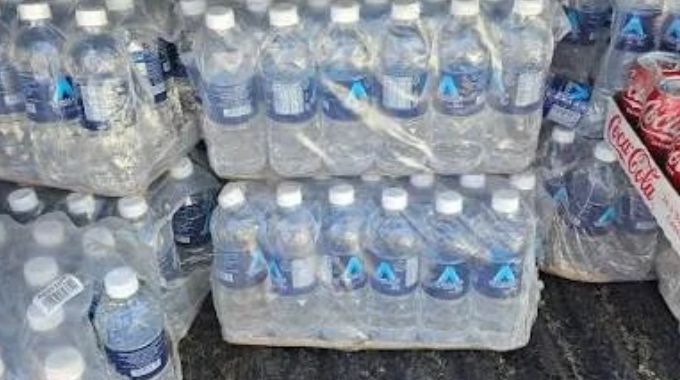
BULAWAYO residents are facing a shortage of bottled water, with wholesale prices rising sharply as demand surges amid the current heatwave and the city’s ongoing water rationing programme.
A spot check by Zimpapers News Hub revealed that a case of 24, 500ml bottles, which previously sold for between US$2,50 and US$3, is now going for as much as US$5, with several outlets struggling to replenish their stocks.
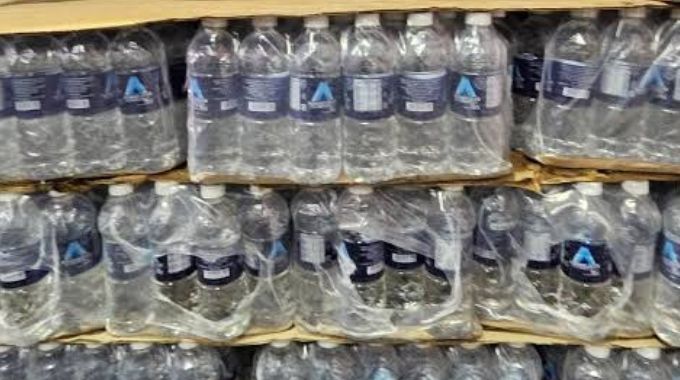
The shortage comes as residents increasingly turn to bottled water for drinking amid interruptions to municipal water supplies.
The pressure on supplies has also been reflected in various WhatsApp groups, where residents have been appealing for information on where to buy bottled water.
“Where can I get cases of bottled water, I have been moving around the city but I can’t find any, please help,” read one message in a group chat.
An entrepreneur who sells bottled water wholesale, but declined to be named, confirmed the shortages and price increases.
“I can confirm that there is a shortage of water. I currently don’t have it in stock and prices have increased,” she said.
“Demand has been high lately resulting in the shortage.”
Bulawayo businessman and former Zimbabwe National Chamber of Commerce (ZNCC)
Matabeleland Region vice-president Mr Louis Herbst said the situation was concerning, particularly given the city’s water supply challenges and prevailing high temperatures.
“With the ongoing water rationing and prevailing heat, demand for bottled water is understandably rising, yet supply is becoming scarce and prices are climbing sharply,” he said.
“A case that previously retailed at around US$3 is now going for as much as US$5. This raises serious concerns about supply chains, distribution and possible profiteering.
“While this presents a business opportunity, access to affordable drinking water for the people of Bulawayo must remain a priority.”
Posting on Facebook, a local bottled water manufacturing company, Qeelin, defended its recent price adjustment, attributing it to rising production costs and shortages of raw materials rather than increased demand during the hot season.
“We have received feedback regarding our pricing, and we would like to clarify this. We are NOT raising prices because it is the hot/peak season. We have had equally hot weather in previous years, including last year and the year before, and we kept our prices unchanged at that time,” the company said.
“This year, we are facing a sharp increase in raw material costs. Supplies have become very difficult to source, and we are struggling to get the materials we need for production. We have tried our best to absorb these extra costs for as long as we can to keep our water affordable while maintaining our quality.
“This adjustment has not been an easy decision for us.”
The shortage comes as the Ministry of Health and Child Care has issued a public health advisory
urging people to take precautions against extreme heat.
The Ministry warned that high temperatures, prolonged exposure to direct sunlight and strenuous physical activity could overwhelm the body’s ability to regulate temperature, resulting in dehydration, heat exhaustion and potentially fatal heatstroke.
“The 2026/2027 seasonal climate outlook indicates the likelihood of below-normal rainfall and warmer-than-normal temperatures associated with El Niño conditions, potentially increasing heat exposure and water stress,” read the advisory.
The Ministry urged the public to look out for symptoms of heat exhaustion, including excessive sweating, intense thirst, headaches, dizziness, weakness, nausea, vomiting and muscle cramps.
It advised that anyone experiencing these symptoms should be moved to a cool place, have their clothing loosened and their body cooled using water and fanning. Drinking water should be provided if the person is fully alert and able to swallow.
Heatstroke, which is a medical emergency, may present through confusion, unusual behaviour, seizures, collapse or loss of consciousness.
The Ministry advised the public not to wait for all symptoms to appear before seeking emergency medical assistance. Affected people should be moved to a cool, shaded place, excess clothing removed and rapid cooling started using cold water, wet cloths and fanning.
It warned against giving fluids by mouth to anyone who is confused, unconscious or unable to swallow safely, and cautioned against using paracetamol or aspirin to treat heatstroke.
Although anyone can be affected by extreme heat, children, older people, pregnant women, people with chronic illnesses, persons with disabilities and outdoor workers, including farmers, construction workers and vendors, are particularly vulnerable.
The Ministry urged residents to drink safe water regularly throughout the day, even when they were not thirsty, avoid prolonged exposure to heat and limit outdoor activities during the hottest hours, generally from late morning to mid-afternoon.
Those working outdoors were advised to take regular breaks, wear lightweight, loose-fitting clothing and use hats or umbrellas for protection from the sun.
Employers were also urged to provide drinking water, shaded resting areas and regular breaks for outdoor workers.
The public was further advised to check regularly on children, older people and those living with chronic illnesses, never leave children unattended in parked vehicles and take precautions to prevent food spoilage.
“The public must stay hydrated, recognise the warning signs, cool rapidly and seek medical help without delay,” the Ministry said, urging the media, schools, employers, local authorities, community leaders and health workers to disseminate the public health messages.