admin
admin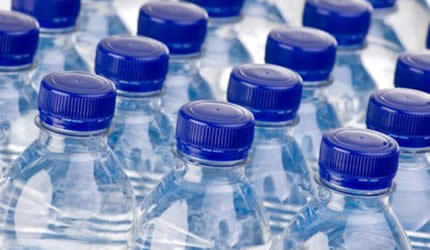
The Standards Association of Zimbabwe quality assurance director, Mr Sebatian Zuze said seven out of 18 water bottling firms from their list had been struck off for non-compliance with regulatory requirements.
Mr Zuze told a parliamentary portfolio committee on Health and Child Welfare hearing that the blacklisted firms had failed to register with Food Standards and Advisory Board, the regulatory body that monitors food processing firms.
Mr Zuze, however, declined to give the committee the list of those de-listed but said they had certified Rainbow, Tanganda, Dairibord, Mukati Investments, ZLG, Chromopak, Aqua Crystal, Dairibord, Reichmark, Schweppes, Zinwa and Somerby.
“Those are the companies that have followed the due process in terms of going through a government analyst right up to SAZ,” he said.
The absence of legal statute compelling water bottling firms to register with SAZ had resulted in mushrooming of several firms giving potable water service, he said.
Legislators expressed concern on the quality of water sold by several firms.
Kwekwe MP Mr Blessing Chebundo (MDC-T) also queried the prudence of selling a litre of water at US$1, almost the same cost per litre of imported petrol or diesel.
Others noted that they were using counterfeit logos for SAZ to give credibility to their products.
Committee chairperson Dr David Parirenyatwa also noted that some water bottling firms were using ordinary tap water and selling it as purified water.
Environmental Management Agency director general, Mrs Mutsa Chasi told the committee that at one stage three years ago, a random sampling of potable water from 13 water bottling firms in supermarkets had shown that all except one had faecal material.
She said the information was submitted to the Ministry of Health and Child Welfare.
Mrs Chasi said while the situation had improved due to close monitoring, there were still instances where some bottling firms were not thoroughly purifying their water, thereby exposing people to water borne diseases.
“We also monitored borehole water. We noted that there was chemical contamination, the iron level is too high. Two boreholes that we sampled in Harare had faecal matter out of 11,” she said.
Mrs Chasi said EMA still had problems with local authorities discharging untreated effluent in drinking water sources such as Chivero.
She said while they had in some cases fined them, in other instances they had taken the fight to criminal courts.
At the courts, one hurdle that they had was that some local authorities hired competent lawyers than them resulting in them losing the cases.
Another challenge that emerged in courts was that some government departments that they would have charged for environmental related offences got legal advice and representation from government lawyers, the same lawyers EMA relied on.


 Online Reporter