Tendai Gukutikwa
Health Reporter
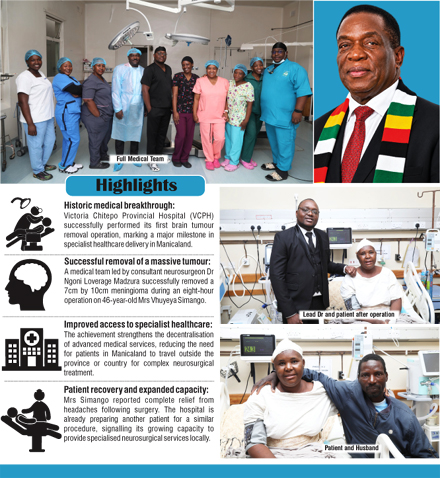
VICTORIA Chitepo Provincial Hospital (VCPH) has achieved a major medical breakthrough after successfully performing its first brain tumour removal operation, marking a significant step towards decentralising specialist healthcare services in Manicaland.
The landmark eight-hour procedure was carried out last week on Mrs Vhuyeya Simango (46) of Mahenye, Chipinge, who had endured debilitating headaches, confusion and severe pain for seven months before doctors discovered a massive brain tumour.
The operation, the first recorded craniotomy for intracranial tumour removal at the provincial referral hospital, involved the successful removal of a meningioma measuring approximately 7cm by 10cm.
The achievement means patients requiring complex neurosurgical procedures may no longer need to travel long distances or seek treatment outside the province, significantly improving access to life-saving specialist care.
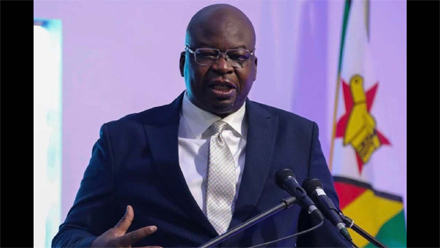
VCPH Medical Superintendent, Dr Hillary Makiwa, described the operation as a milestone in Government’s drive to decentralise advanced healthcare services and bring specialised treatment closer to communities.
“We are proud to have achieved this milestone and look forward to performing more of these operations in the future. This achievement demonstrates Government’s commitment to ensuring specialised medical services are accessible to communities across the country in line with Vision 2030.
“The vision is to ensure every citizen has access to quality healthcare. Decentralising specialist services improves access while advancing our national development goals,” said Dr Makiwa.
He said the hospital will continue strengthening its specialist capabilities with Government support, opening the door for more advanced procedures to be performed locally.
The historic operation was led by consultant neurosurgeon, Dr Ngoni Loverage Madzura, assisted by Dr Kudzayi Mukosera.
The anaesthesia team was headed by Dr Rumbidzai Dozva, while the nursing team was led by sister-in-charge, Mrs Priscilla Mukwashi.
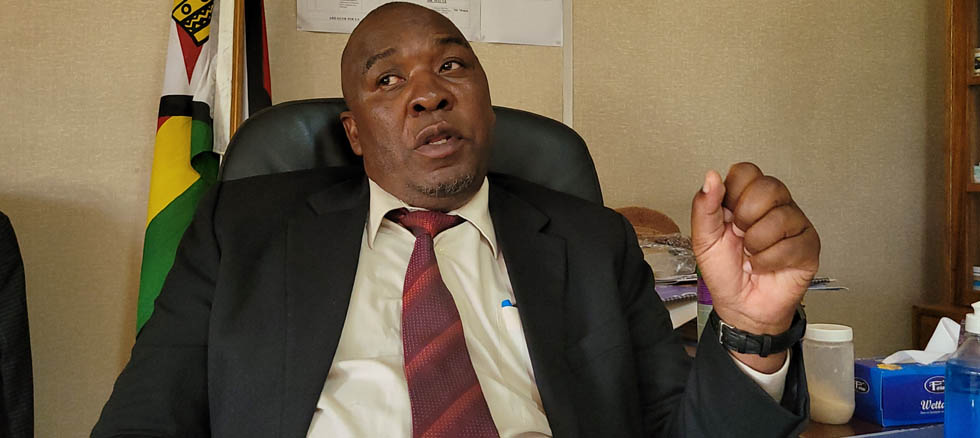
Dr Madzura said the surgery was particularly challenging because the tumour was exerting significant pressure on a large section of the patient’s brain.
“This was a very large and complex tumour. Brain surgery requires precision because even minor damage can have serious consequences. We therefore proceeded carefully and methodically to ensure complete removal of the tumour while protecting surrounding brain structures,” he said.
The operation lasted about eight hours and culminated in the successful removal of the entire tumour.
Dr Madzura said Mrs Simango had visited several health facilities seeking treatment after developing persistent headaches and episodes of confusion.
Initial assessments had pointed to an infection, but her condition continued to deteriorate.
Further investigations, including a CT scan, eventually revealed the presence of the tumour.
Dr Madzura said the successful operation highlights the growing capacity of Zimbabwean hospitals to offer highly specialised treatment locally.
“Performing these procedures locally, not only improves access to surgery, but also enhances post-operative care because patients continue to be monitored by the same specialists who performed the operation.
“This demonstrates that advanced medical treatment can increasingly be provided within our own health institutions, reducing the need for costly referrals outside the province or country,” he said.
He revealed that another patient requiring a similar procedure is already being prepared for surgery.
The neurosurgeon also urged people to seek medical attention promptly when persistent symptoms such as severe headaches, unexplained weakness, changes in behaviour or confusion develop.
“Early diagnosis improves treatment outcomes. Delayed presentation can result in tumours becoming too advanced, making surgery more difficult and increasing risks,” he said.
For Mrs Simango, the operation brought instant relief after months of suffering.
“Ever since I woke up after the operation, I have not felt any pain. I am sleeping well and the headaches are completely gone. I am so grateful to the doctors who helped me,” she said.
The mother of six said her condition had deteriorated to the extent that she could no longer perform basic household duties.
Her husband, Mr Phillip Ndlovu, said the family had spent seven months searching for answers as her health steadily worsened.
“We visited clinics several times and she was given painkillers, but the headaches always returned once the medication wore off,” he said.
“Eventually her condition became so severe that she could no longer do anything on her own.”
Mr Ndlovu said the situation became critical before the family was referred to Victoria Chitepo Provincial Hospital.
“By the time we arrived here, my wife was in excruciating pain. She could hardly open her eyes or speak properly. I feared I was going to lose her.
“When she was admitted, I kept asking the doctors when the operation would be done because I was worried about her worsening condition. The transformation since the surgery has been incredible. The results have exceeded our expectations and I am extremely happy.”
The successful procedure represents more than a medical first for Victoria Chitepo Provincial Hospital. It signals the emergence of specialist neurosurgical services in Manicaland, offering hope to patients who previously faced the prospect of travelling long distances for advanced treatment and underscoring the growing capacity of Zimbabwe’s public health institutions to deliver world-class care closer to home.
Brain surgery breakthrough for Manicaland