Online Reporter
Innocent Kurira, Zimpapers Sports Hub
IN this PSL transfer window, change scarcely waits to be announced.
By the time a coach’s appointment is made public, the ripples have already surged through the squad, with players drifting towards familiar voices and trusted methods.
Across the league, movement has taken on a restless urgency, reshaping teams in days rather than months, and leaving little room for identities to settle or traditions to anchor.
The trend has been starkly evident in recent seasons, notably in 2024 when Tonderai Ndiraya moved from Simba Bhora to Scottland. He was followed by a phalanx of players familiar with his methods, instantly altering the squad’s composition and DNA. For the upcoming season, a similar pattern is emerging following Takesure Chiragwi’s move from Ngezi Platinum to CAPS United, with expectations that several players may trail behind their mentor.
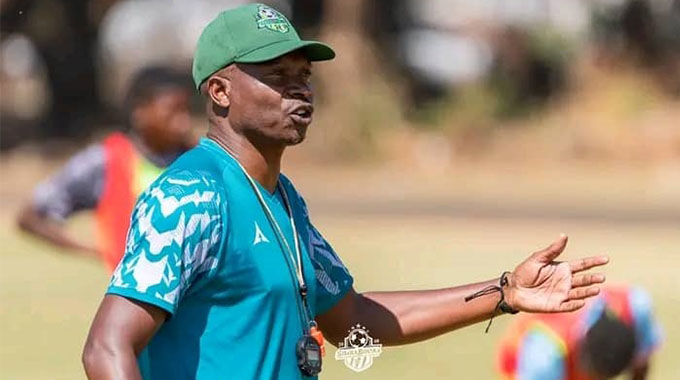
After winning the 2024 championship with Simba Bhora, Ndiraya moved to newly promoted Scottland, where he was joined by players such as Tymon Machope, Mthokozisi Msebe, Tymon Mvula, Vassili Kawe, Soccer Star of the Year Walter Musona, and goalkeeper Talbert Shumba. Having secured the title again with Scottland, Ndiraya has since joined Chicken Inn, reportedly bringing along Kawe and Mvula.
Other names linked with a move to the GameCocks include Genius Hute, Nigel Mupanduki, and former Yadah FC midfielder Marvellous Faranando.
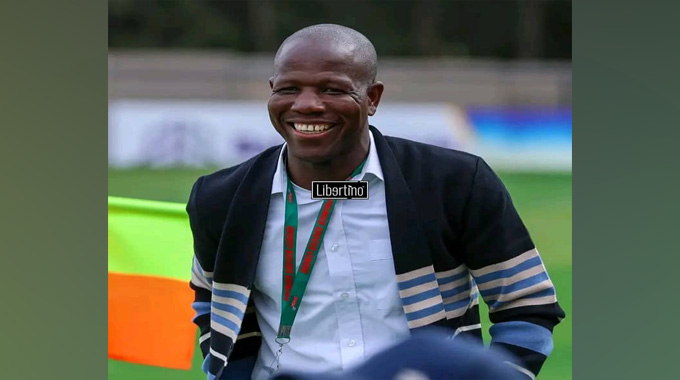
In a major shake-up ahead of the 2026 Castle Lager Premiership season, CAPS United secured the services of Chiragwi and essentially “raided” the Ngezi Platinum squad to reinforce their ranks. The migration includes Nyasha Gurende, Kudzai Chigwida, Richard Hachiro, Talent Chamboko, Macdonald Makuwe, Delic Murimba, and Obriel Chirinda. Crucially, the “Green Machine” also imported Chiragwi’s backroom infrastructure, with Tinashe Nengomasha, John Vera, Gary Machakata, and Cloudious Gunduza all making the move.

Similarly, Joel Luphahla — who recently arrived at Simba Bhora to replace long-serving mentor Norman Mapeza — has wasted no time. He has secured highly-rated midfielder Garikai Dematsika from relegated GreenFuel, alongside Takunda Vareta, David Mangezi, and Tadiwa Muchenje. Luphahla has even expanded his recruitment beyond Zimbabwe’s borders, signing Namibian Mbakondja Tjahikika, Ghanaian Emmanuel Dogbey, Malawian defender Maxwell Paipi, and Cameroonian goalkeeper Manfred Ekoi.
To anchor this new-look side, he has brought in trusted lieutenants such as Warren Mapanga for goalkeepers, Dilloan Chivandire for strength and conditioning, and Ashley Ndebele as head performance analyst.
Movement has always pulsed through football’s bloodstream, but current patterns suggest a deeper recalibration of how the game is lived and managed. Appointments are no longer framed as long journeys built on trust and endurance; they are treated as short-lived episodes, judged swiftly and discarded even faster. Loyalty is a luxury few can afford, while immediate results have become the currency of survival. Planning beyond the next few months is often sacrificed, leaving the league feeling like a carousel in perpetual motion — always turning, never settling.
Coaches no longer arrive alone, expected to mould the talent they inherit. Instead, they land with entire ecosystems intact: technical teams they trust and players who speak their tactical shorthand, bringing instant transformation alongside instant upheaval. For administrators under relentless pressure, this offers clarity and speed — a ready-made philosophy installed overnight. What this erodes, however, is stability. Squads are dismantled mid-cycle, youth pathways are quietly erased, and long-term development is reduced to a footnote once a technical team exits. Smaller clubs feel this most acutely, watching key assets follow departing coaches, powerless to resist. It reveals a league increasingly shaped by personal networks rather than enduring institutions — a landscape where influence travels faster than identity.
Football analyst Muzi Hadebe sees a competition tilting away from a collective ethos towards individual authority, noting that it looks like the upcoming season will be a battle of coaches where success depends on which player represents his coach well.
“Coaches tend to use tools they know and trust, which has led to recycling of both coaches and players. This trend can block a new generation of coaches and players from emerging.”
His concern highlights a closed loop where familiarity crowds out opportunity. From the dugout, coach Shadreck Mlauzi views the upheaval as a mirror reflecting deeper institutional fragility, calling it a reflection of a plethora of challenges the league is facing. He argues that it shows clubs are not committed to medium-term plans by securing players on a longer term, suggesting that for coaches and players, the lure of yet another sign-on fee is intriguing, driven by “stomach politics rather than the game itself.”
His words hint at a league where financial insecurity distorts priorities and survival instincts override vision. Yet, not all observers consider the trend entirely corrosive. Football analyst Dumisani Gumpo argues that the migration of “trusted lieutenants” is often rooted in practical necessity, as a coach’s tactical philosophy and style of play are best understood by those they trust. He believes these few usually become on-field leaders and, alongside the coach, they form the team’s backbone.
In a league with little patience and thinner margins, familiarity can offer immediate coherence. Still, even Gumpo acknowledges the risks lurking beneath the surface, pointing to potential conflicts of interest and “untold stories in Zimbabwean football” that only surface once careers have faded.
For supporters, this ceaseless motion has reshaped the emotional landscape of the sport. Faces change too quickly, and allegiance becomes harder to anchor in colours that feel transient. Football fan Michael Dube captures this quiet unease, noting that most players are being given one-year contracts which is why they are moving around each year.
“Most of these players are on one-year contracts, which is why they move around each year.