Mukudzei Chingwere, Senior Zimpapers Reporter
ZIMBABWE has rallied fellow African countries within the Common Market for Eastern and Southern Africa (COMESA) bloc and beyond to dismantle barriers to regional trade while building industries that turn their natural resources into finished products.
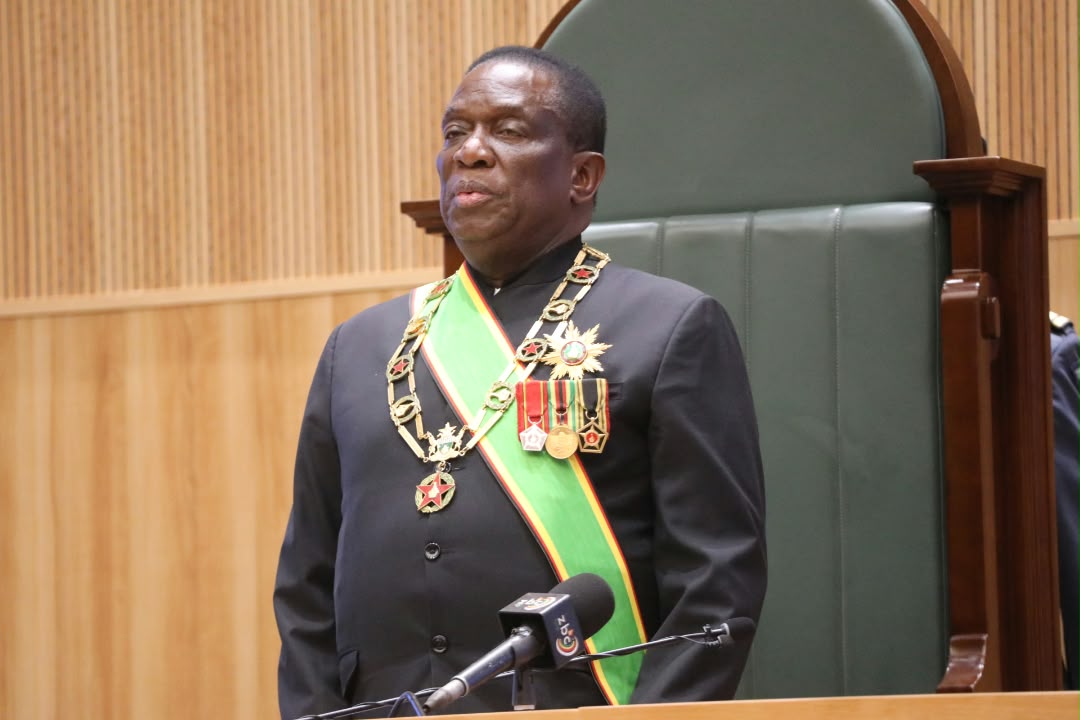
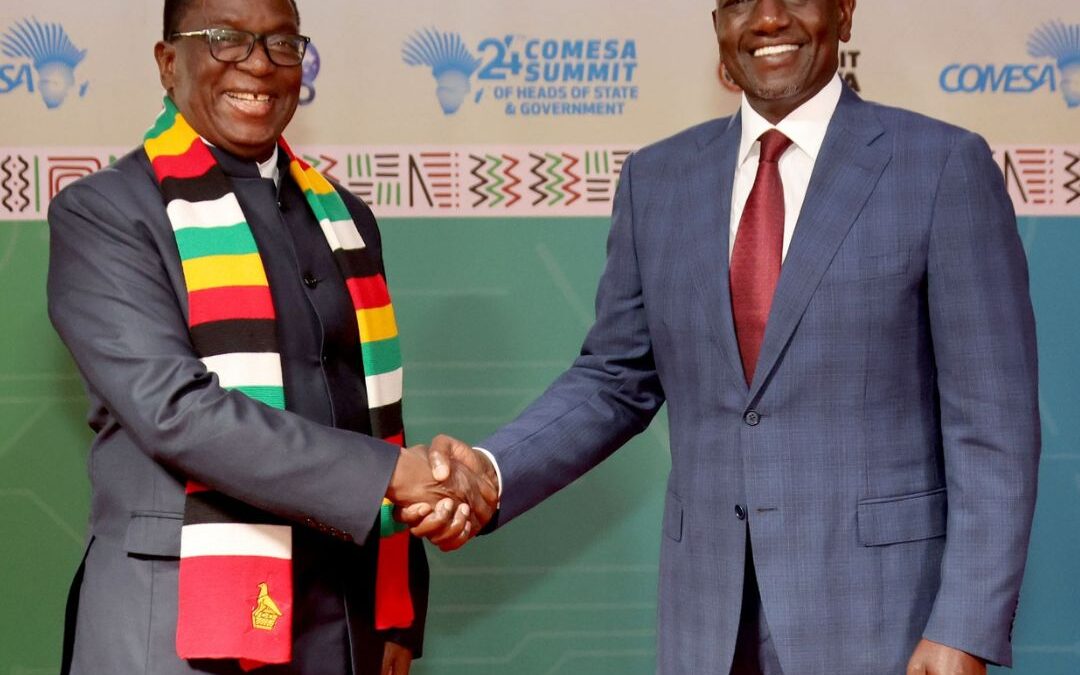
Under the Second Republic led by President Mnangagwa, who is the incoming chairman of COMESA, Zimbabwe has scored major strides in enhancing the ease of doing with the Government implementing comprehensive measures to slash prohibitive regulatory fees while streamlining compliance obligations to incentivise domestic and foreign investments.
The fiscal policy measures, coupled with prudent monetary policy interventions, have seen Zimbabwe climb the ladder on global doing business rankings in the last few years, with improved appeal to potential investors while accelerating trade gains with the rest of the world.
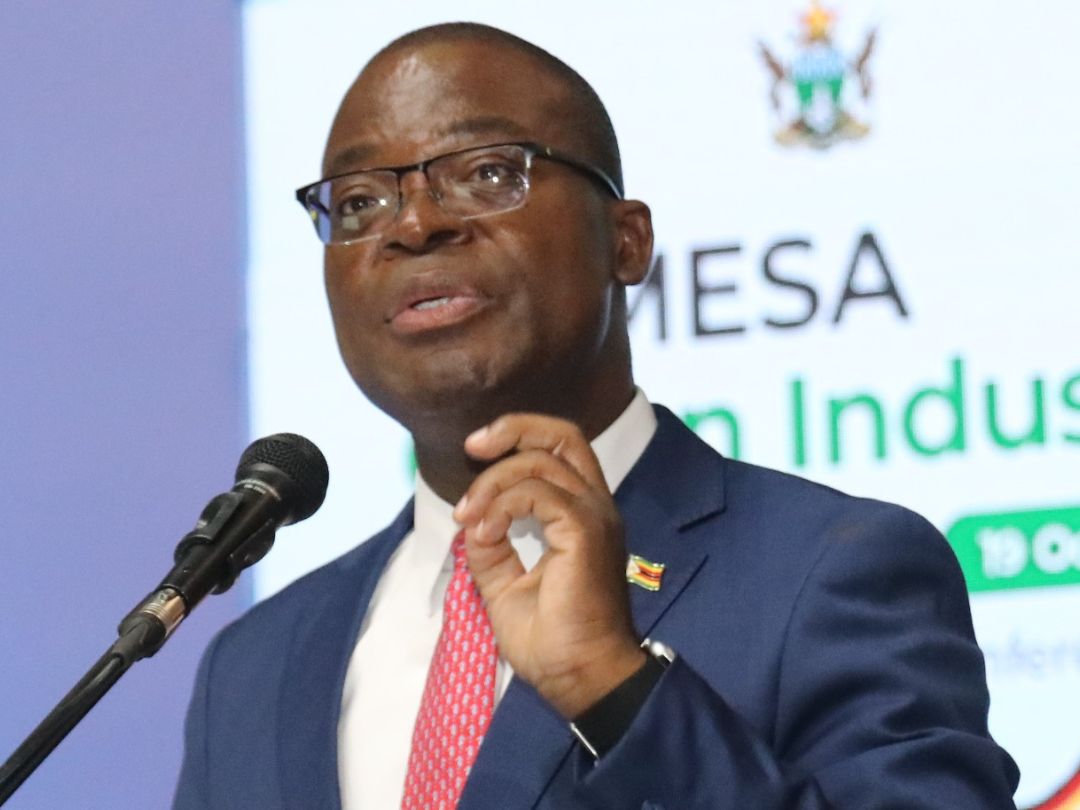
Opening the COMESA Green Industries Connect Conference in Harare yesterday, Foreign Affairs and International Trade Minister, Professor Amon Murwira, called for a shift from exporting raw materials and importing expensive finished goods towards retaining more technology, skills, jobs, and income within African economies.
His message linked regional integration to industrial development, noting that removing trade barriers would give manufacturers access to a larger market, while increased production would give member states more goods to trade among themselves.
“Trade presupposes production and manufacturing,” he said. “If we don’t industrialise, surely we will trade in raw materials with those who use the raw materials.”
The high-level meeting in Harare brought together regional experts to discuss manufacturing, investment, and sustainable production, alongside a multi-sectoral exhibition.
Addressing delegates under the theme: “One Market, One Future”, Prof Murwira said COMESA members need to give practical effect to their commitment to regional integration by removing tariff and non-tariff barriers.
“If we want to protect ourselves, we must remove tariff and non-tariff barriers so that goods and services can move freely across the continent,” he said. “Who are you protecting your market for? Africa cannot be your enemy.”
His call placed market access alongside a broader challenge: ensuring that African countries participate in production beyond the extraction and shipment of their primary resources.
Prof Murwira highlighted that the global economy is being reorganised around energy security, critical minerals, resilient supply chains, digital technologies, and climate standards, making industrial capability increasingly important. Africa, he noted, needs to participate as a designer, processor, manufacturer, and owner of intellectual property. Industrialisation should therefore be measured by the knowledge and capabilities an economy develops, rather than simply by the presence of factories.
“Industrialisation must be in the form of the systematic conversion of knowledge, natural resources, energy and human capability into products of increasing complexity and value,” he said.
Prof Murwira criticised an economic model in which Africa exports resources at low prices, purchases costly finished products, and bears the environmental consequences of extraction. He said changing that relationship requires deliberate investment in knowledge, research, and manufacturing.
“No country, not even one on this earth, can develop beyond the level of what they know and what they can do,” he said.
The minister further urged countries to build industries around their own resource endowments, including minerals, agricultural produce, indigenous fruits, leather, and botanical products. Using baobab and marula as examples, he questioned why African economies should overlook locally available inputs while importing products that could be manufactured from their own resources. He also argued that indigenous knowledge should become a source of research and commercial innovation.
“The scientific responsibility of our generation is to interrogate that knowledge rigorously, validate what can be validated, improve it through research, standardise it where it is appropriate, protect its ownership, and convert it into products and services that improve lives,” he said.
On green industrialisation, Prof Murwira said the transition requires structural changes throughout production, including how materials are used, recovered, and returned to economic activity.
“Green industrialisation therefore is not simply the addition of solar panels to an old production plant. It is a cycle of thinking.”
That approach connects environmental responsibility with the economic objective of extracting greater value from available resources, including materials that manufacturers might otherwise discard.
Speaking on the same platform, Industry and Commerce Minister Nqobizitha Mangaliso Ndlovu reinforced the call for implementation, proposing that COMESA explore a regional circular economy fund to help viable businesses invest in cleaner production. The proposed facility would support energy-efficient equipment, recycling infrastructure, and the conversion of waste into productive inputs.
Minister Ndlovu stressed that such a fund would require careful design, sustainable financing, and transparent eligibility criteria, with resources directed towards commercially sound projects offering measurable industrial and environmental benefits. The proposal addresses a practical requirement of the transition, as manufacturers require capital to modernise equipment and production processes if regional commitments are to translate into functioning enterprises.
Minister Ndlovu said industrialisation remains central to Zimbabwe’s Vision 2030, National Development Strategy 2 (NDS2), industrial development policy, and local content strategy.
“Sustainable industrialisation is not separate from industrial growth. It is an essential condition for long-term competitiveness, resilience and productivity,” he said.
Zimbabwe’s approach, he added, seeks to expand domestic value addition, strengthen local production and exports, and create decent jobs while improving the use of energy, water, and raw materials. He confirmed the country is working with the Climate Technology Centre and Network on a national decarbonisation roadmap for the cement sector, with further opportunities in iron and steel, mineral processing, and other manufacturing industries.
Investments in renewable energy, efficient machinery, and water recycling are already helping manufacturers lower costs and improve production reliability, he said, noting that effective recycling requires comprehensive, structural frameworks beyond individual businesses acquiring equipment.
“Efficient waste management requires effective systems linking waste collection, recycling and manufacturing, supported by appropriate infrastructure, standards, financing and reliable markets,” said Minister Ndlovu.
He urged member states to build regional recycling and resource recovery value chains that provide meaningful opportunities for small and medium enterprises, women and young entrepreneurs.
Minister Ndlovu said the region already had an industrial policy foundation covering agro-processing, leather, textiles, energy and mineral beneficiation.
He recalled that ministers responsible for industry and investment had, at their September 8 meeting, committed to an inclusive transition to a circular economy and called for implementation of
the COMESA Green Pharmaceutical Manufacturing Strategy for 2026 to 2035.
“Our immediate responsibility is to convert these commitments into implementation,” he said.
Member states needed to incorporate regional priorities into national programmes, assign institutional responsibilities, mobilise resources and monitor delivery.
While the COMESA Secretariat and specialised institutions would coordinate regional work, governments had to ensure that agreements resulted in investment, modernised factories, viable businesses and measurable employment outcomes.
Minister Ndlovu also identified standards and product testing as areas where closer cooperation could ease regional trade.
“Greater alignment of green standards, cooperation on product testing, and improved conformity assessment can reduce unnecessary compliance costs and facilitate the movement of qualifying products across borders,” he said.
A larger integrated market would help manufacturers achieve the production scale needed to justify investment in cleaner technologies.
He urged governments to provide predictable policies, reliable infrastructure and appropriate regulation, while businesses invested in productive capacity and research institutions supported innovation.
Electric mobility offered another opportunity, he said, with potential participation in vehicle assembly, charging infrastructure, battery technologies, maintenance and component manufacturing.
“Our ambition must extend beyond importing finished products to developing the skills, technologies and productive capabilities required to capture a greater share of emerging value chains.”
Citing Zimbabwe’s shipment of locally processed lithium sulphate to China, Minister Ndlovu said moving further along mineral value chains demonstrated the opportunities available when countries increased processing capacity.
As Zimbabwe assumes the COMESA chairmanship this week, he said, it stood ready to work with member states and the private sector to implement the region’s industrialisation commitments.
“Let us turn waste into value, innovation into investment, and our shared resources into lasting prosperity.”