
Mbulelo Mpofu, [email protected]
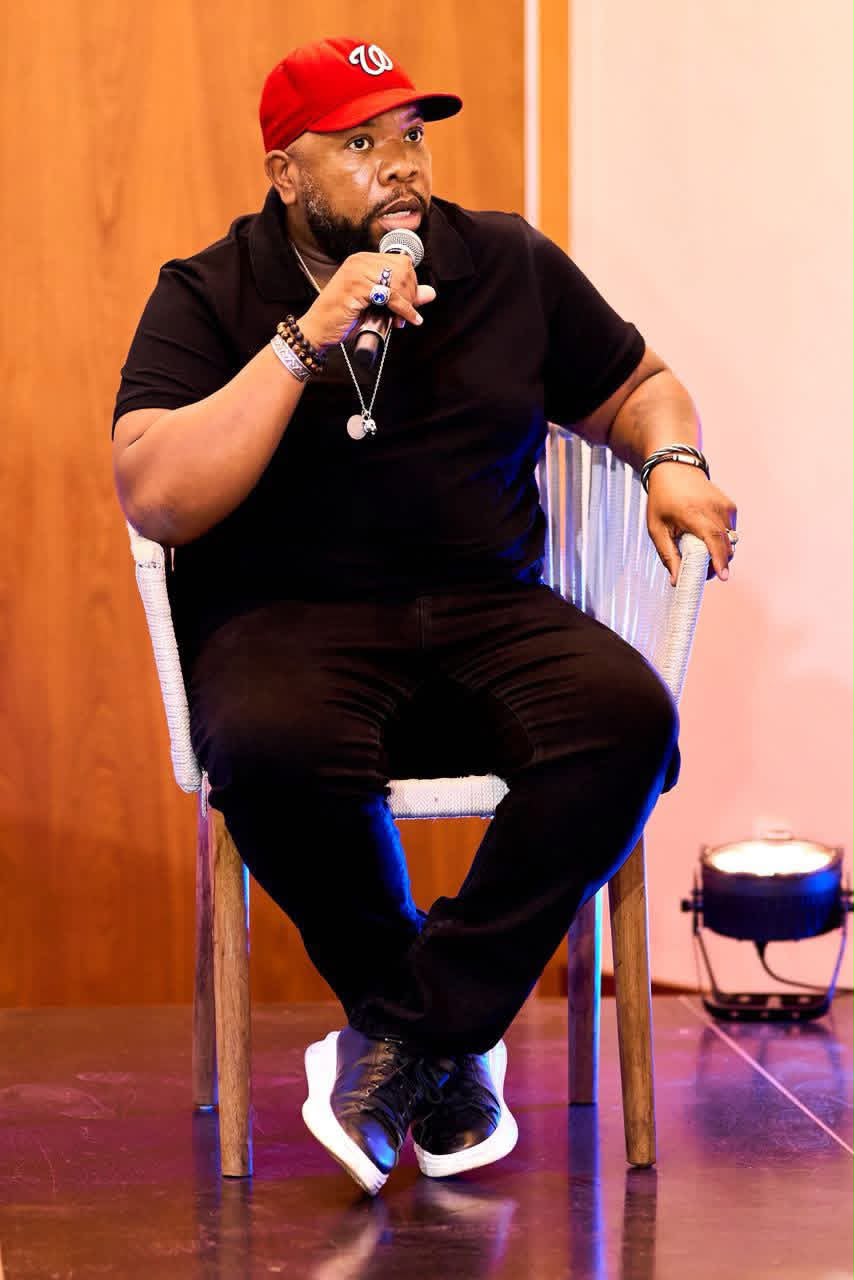
Zimbabwean music and technology entrepreneur Walter Wanyanya is set to represent the country’s music industry on the continental stage when he speaks at this year’s Music In Africa Conference for Collaborations, Exchange and Showcases (ACCES26) in Johannesburg, South Africa.
Running from October 28 to 31, the ninth edition of the continent’s leading music industry trade event will bring together more than 700 delegates from over 45 countries for discussions, networking sessions, workshops and live showcases.
The conference will also feature industry visits, exhibitions and performances taking place at various venues across Johannesburg.
Wanyanya will join fellow Zimbabweans, cultural consultant and entrepreneur Usher Nyambi, as well as musicians Mary Anibal and Sylent Nqo, at the gathering of artistes, record labels, promoters, publishers and other music industry professionals.
In an interview, Wanyanya said his contribution would focus on building structures that enable African musicians to turn their talent into sustainable careers.
“One of the key lessons I will be bringing to ACCES26 is that African music has enormous global potential, but talent alone is not enough to unlock that potential. We need to build the structures, relationships and business knowledge that allow our artistes to turn their creativity into sustainable careers,” he said.
Drawing on his experience as an artiste manager and festival producer, Wanyanya identified the gap between artistic excellence and commercial opportunity as one of the major challenges facing African musicians.
He said limited market access, inadequate knowledge of intellectual property rights, monetisation challenges and weak professional networks continued to hinder artistes seeking to expand their reach beyond their immediate markets.
“We have incredibly talented musicians across Africa, but many still struggle with access to markets, understanding their intellectual property rights, monetising their work and building the professional networks necessary to grow beyond their immediate environments,” he said.
Wanyanya’s experience in managing artistes, including the late music icon Oliver Mtukudzi, and establishing platforms such as the Jacaranda Music Festival, has shaped his approach to developing sustainable music careers.
He argued that international success should go beyond securing performances abroad to building relationships and creating opportunities that continue to benefit artistes long after they leave the stage.
“International success is not simply about getting an artiste onto a stage abroad. It’s about building relationships, creating opportunities for collaboration and ensuring that the artist benefits long after the performance is over,” he said.
He also underscored the importance of strengthening links between African markets before pursuing wider international opportunities.
Wanyanya said cross-border collaborations and platforms that enable musicians to distribute and perform their work across the continent could help them grow their audiences, generate income and strengthen Africa’s music ecosystem.
“Before we can successfully export our music to the rest of the world, we must create stronger connections between African markets, encourage cross-border collaborations and develop platforms that allow our artistes to circulate and earn within the continent,” he said.
He views ACCES26 as an opportunity to translate discussions about African music’s potential into practical partnerships and tangible benefits for the industry.
“For me, ACCES26 is not just an opportunity to share experiences or participate in conversations. It is an opportunity to connect people, exchange practical knowledge and explore partnerships that can translate into real opportunities for artistes,” he said.
Wanyanya said the conference’s success should ultimately be measured by stronger professional networks, improved business practices, increased touring opportunities and greater ownership of creative work by artistes.
“Ultimately, I would like us to move beyond simply celebrating African talent to building an industry that can sustain it,” he said.
Zimbabwe has maintained a presence at ACCES since its inception. At last year’s edition, musician Mwendamberi performed, while Edith WeUtonga participated in one of the fireside chats as a panellist.
— @MbuleloMpofu