Online Reporter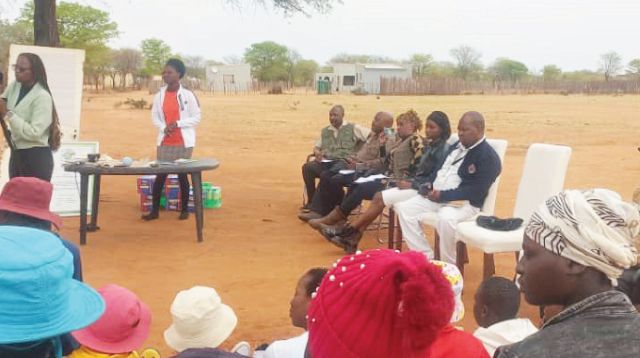
Thupeyo Muleya, Beitbridge Bureau
Over the years, stigma surrounding HIV/Aids has had devastating effects on individuals, communities, and the fight against the virus.
However, the National Aids Council (NAC) continues to shift paradigms in communities across Zimbabwe, changing perceptions and influencing change, specifically among men.
In Matabeleland South province, a quiet revolution is underway through the introduction of the Community ART Refill Groups (CARG) and Behaviour Change Community Motivation (BCCM) initiatives.
The BCCM programme tackles cultural norms and stigma head-on, promoting a culture of openness and acceptance.
It is envisaged that by engaging traditional leaders and community influencers, NAC is creating a ripple effect, encouraging men to speak out and seek help.
In addition, these community members are accessing antiretroviral drugs through a local focal person across the province.
Government through NAC is now empowering men to take charge of their health, challenging traditional notions of masculinity and stigma surrounding HIV/Aids.
Matabeleland South province has an HIV prevalence rate of 17 percent with Bulilima and Mangwe districts being some of the high incidence areas.
To derail this trend, NAC’s innovative approaches have seen a noticeable shift in men’s attitudes towards HIV testing, treatment and prevention.
District Aids Co-ordinator (DAC) for Bulilima Mr Ronald Hanyane said through increased awareness campaigns and peer led discussion programmes, more men were now joining the Carg initiatives.
“Besides the Carg programme, we also have a men’s clinic, which has seen more men gaining confidence to deal with this pandemic and we hope to continue with more awareness programmes so that we net more men into our intervention programmes considering that some are still reluctant to come out clean or find out about their status,” he said.
Mr Hanyane said the initiatives are helping reduce cases of patients defaulting treatment, especially those living far away from clinics and other health institutions who are often reluctant to travel long distances to access medication.
The most reluctant to travel are those from very remote areas and resettlement areas where health facilities are still limited.
Ms Nonhlanhla Bhebhe, a Carg leader in the Matjinge area in Bulilima District, who leads discussions with groups of men and women, addressing topics like HIV testing, and HIV treatment said these peer-led sessions have been instrumental in encouraging men to prioritise their health.
“Since we started this initiative in March, we have seen an increase in people gaining confidence and willingly speaking about health issues. Some men are now seeking medical attention after attending the gatherings. However, we need to keep the momentum and bring in more men, since women account for larger numbers in our groups,” she said.
A health official at Matjinge Clinic said, “The Carg programme is impacting 14 communities and we now have 14 Carg groups in our catchment area, each group having at least 50 people. We’re seeing a lot of men being referred for testing and treatment through the programme.”
Mr Nicholas Ndlovu from Chief Masendu’s area in Bulilima said by linking individuals with similar experiences, these groups foster a sense of community and encourage adherence to treatment.
“I want to encourage more men to be conscious about their health. The Carg concept helps in many ways including sharing experiences and looking out for each other.”
Mr Douglas Ndebele said the BCCM and Carg concepts had helped shift the mindsets of men in Mangwe District, where there are a lot of artisanal miners and risky sexual behaviour is rife.
“Through sharing experiences with others, one rebuilds their confidence. Many CARG members have been able to live positively with HIV,” he said.
An elderly woman from the Macingwana area said there has been a notable sexual behaviour change among men and women in her community following the introduction of a cocktail of intervention programmes by NAC and its partners.
HIV prevention in Zimbabwe includes a multi-faceted approach, combining medical interventions such as voluntary male circumcision and pre-exposure prophylaxis (PrEP), with behavioural and community-based programmes complementing medical efforts.
The country uses a combination approach to HIV prevention that includes biomedical, behavioural, and structural interventions tailored to different at-risk groups. Key models include a combination of oral and injectable PrEP (pre-exposure prophylaxis) for high-risk individuals, peer-led programmes like Brotha2Brotha and Sista2Sista for young people and other vulnerable groups, STI testing and HIV prevention, among others.
“Through the BCCM programme, the sexual behaviour of young men between 15 and 24 years in our area has changed with most of them now willing to use condoms and test for HIV among other things,” said Mr Shelton Moyo from Chief Sigola’s area in Umzingwane District.
“You will note that issues of health are critical and accessing such services seamlessly is a welcome development for us.”
A senior citizen from the Nhlozamandla area in Umzingwane District Mr Chafman Nyathi said they were happy to collaborate with NAC and various stakeholders in fighting HIV/Aids.
He said the peer led model (BCCM) had created a shift in the attitude of people towards the pandemic.
“We are glad to have such initiatives where people get to know their status and access treatment because of such sessions, which we have once every month in groups of 20 people.”
Zimbabwe has achieved high rates of HIV testing and treatment, exceeding the UNAids 95-95-95 targets for adults, with 97 percent of people with HIV knowing their status, over 95 percent on treatment, and 96 percent on treatment with viral suppression.
Mrs Fikekuhle Moyo, a BCCM leader in the Mawabeni area said the programme is influencing behaviour change among the youth.
“I have seen a great improvement in the attitude towards sexual and reproductive health here,” said Mrs Moyo.
As Zimbabwe strives to achieve its goal of ending Aids as a public health threat by 2030, the success of Carg and BCCM serve as a beacon of hope.
Such innovative approaches demonstrate the power of community-driven solutions, underscoring the importance of investing in local initiatives that prioritise inclusivity, empathy and collective action.
Through sustained efforts and continued support, the people of Matabeleland South and beyond can look forward to a future where HIV is no longer a threat, and every individual can live a healthy, dignified life.