Online Reporter
Lovemore Kadzura
Post Reporter
WHEN Zimbabwe attained independence in 1980, the nation stood at the threshold of transformation — politically, economically, and socially.
Among the most profound shifts over the decades has been the steady rise of women into positions of power in politics and public administration, challenging entrenched gender norms and redefining leadership in a traditionally patriarchal society.
In the early years of independence, women’s participation in governance remained limited.
Despite their critical roles during the liberation struggle as fighters, organisers, and supporters, the transition into formal political leadership was slow.
Cultural expectations, restricted access to education, and institutional barriers often stood in the way.
Yet pioneering women began to chip away at these obstacles.
Dr Joice Mujuru, who rose from liberation war fighter to Vice-President, symbolised a new era. Her ascent was not merely personal—it signalled to women across Zimbabwe that the highest offices of the land were within reach.
Similarly, leaders such as Cde Oppah Muchinguri-Kashiri, Senator Monica Mutsvangwa, and Dr Sithembiso Nyoni made significant strides in Government ministries, shaping national policy and proving that women were, not just participants in governance, but key decision-makers.
Beyond elected office, women have also emerged as leaders in civil service, local government, and public institutions.
Appointments of women as permanent secretaries, ambassadors, and heads of commissions reflect a gradual but meaningful shift toward inclusivity. Though less visible than Cabinet roles, these positions have been crucial in implementing policy and sustaining the machinery of government.
Legal and policy frameworks have accelerated this progress.
Gender quotas in Parliament and local authorities—particularly constitutional provisions reserving seats for women—boosted female representation and created pathways for women to build lasting political careers beyond the quota system.
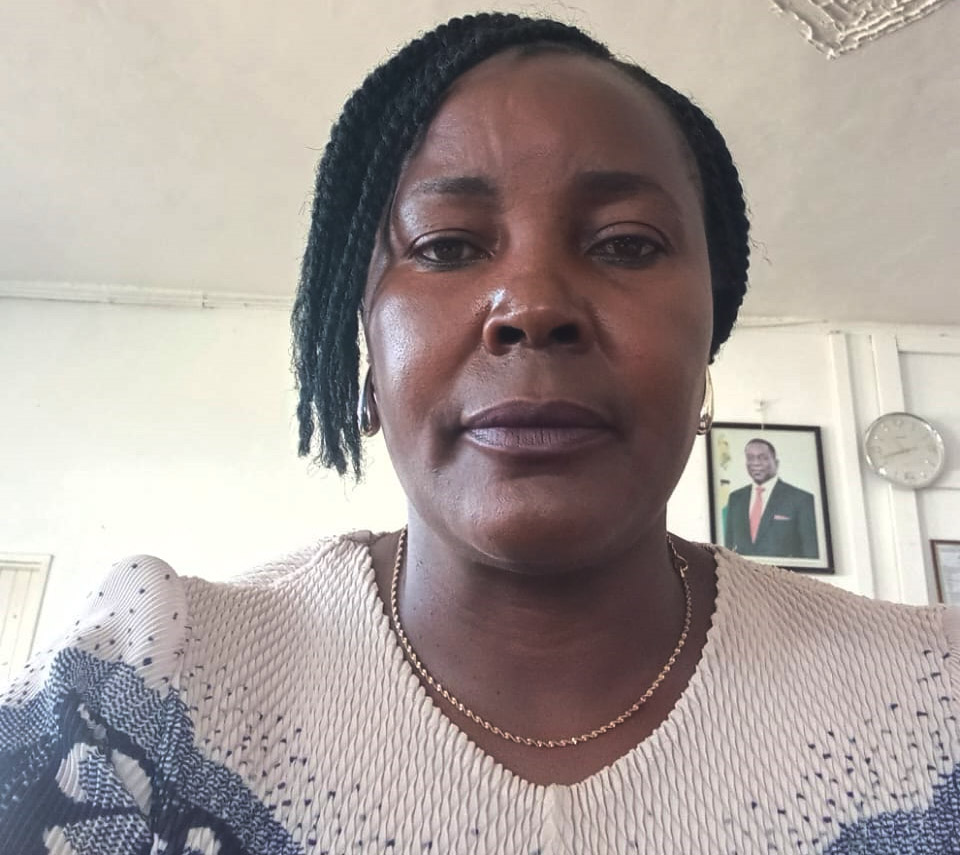
Local authorities have become a key arena for women’s leadership.
Councillor Ellah Hlanguyo, acting chairperson of Makoni Rural District Council for the past two years, is one such example.
She described her tenure as an eye-opener, noting that steering the vast district has been both challenging and rewarding.
She acknowledged, however, that political office for women requires careful balancing, as leadership responsibilities often compete with family obligations.
“I was motivated to join politics after seeing a number of women who were taking part and getting involved in political activities. I saw female leaders creating opportunities for other women to be in charge and lead others. As female politicians, we can be instrumental in shaping communities and make a difference in paving the way for others. The playing field for now is not even, but we are trying hard to fight that behaviour of thinking that only men are able to do it. Unfortunately, the greater number of participants in politics are women, but as women, we have not yet reached the stage where we are able to support each other so that some of us can take the lead. Sometimes, even if there is a competent female candidate, the women can still ignore her, opting for a male, leaving their peer stranded.
“Despite the ground not really being fair, we are striving so that we are also seen and heard. Some people still underestimate our capabilities as women, but nevertheless, we are fighting. As women, we have family responsibilities that require greater attention, and in order for us to balance work life and family, it can be tough, leading to many taking back seats. Being a chairperson of a board of 51 councillors has really put me on my feet all the time and it has kept me going. I have met and interacted with influential people of substance, learning a lot from them. I have been exposed to quite a lot of activities, and it has not been easy because people all the time some people will just fight you. I have broken some of the barriers and managed to set new standards in the council. I have shown people that as a woman, I can also bring about positive change, set new standards and people can work together towards the development of livelihoods within the communities. Political leadership requires people to be courageous so that we can take the lead as women. Makoni District is quite complex, but we are moving on smoothly as a council. Some people who were doubting my leadership capabilities are now back on track and being supportive of my role. Women must not doubt themselves, as this leads to loss of confidence, a key attribute in politics,” said Councillor Hlanguyo.
Alderman Winmore Idea Mushakavanhu, who is now in her third term as Mutare Rural District Council Ward 33 councillor, said the opportunities brought about by independence should be fully utilised by all, including women and girls.
She said women must not be afraid to offer themselves for leadership positions.
“I joined politics at the age of 14, in 1976, when I made a decision to cross into Mozambique to fight for the independence of this country. I was pushed to join the liberation war by the gross injustice that was taking place, which negatively affected native citizens, including women and girls. Opportunities for women in Rhodesia, be it political, economic, social, education or others, were very limited. Women did not have a voice at all. Through independence, opportunities are now abundant. Some women have progressed better than men. Women are running businesses which are thriving very well. In politics, opportunities are open to both men and women. I lead men in my ward and in the War Veterans’ League without any challenge.
“This is now my third term as a ward councillor, and the people I lead do not see me as a woman, but their competent representative. I have never encountered challenges in politics because of my gender. Problems have no gender and must be addressed as they come. Other women must not be afraid to join political leadership because women make good leaders, particularly with issues that affect daily lives,” said Alderman Mushakavanhu.
Yet, the journey has not been without challenges. Women in leadership often face heightened scrutiny, gender-based discrimination, and the burden of balancing public responsibilities with societal expectations. Tough terrain and limited access to campaign resources have also disproportionately affected female candidates.
Despite these hurdles, the narrative is one of resilience and progress.
Younger generations of women are increasingly stepping into leadership roles, inspired by those who paved the way. Civil society organisations and advocacy groups continue to push for gender equality, mentorship and capacity building, ensuring that the pipeline of women leaders remains strong.
Today, Zimbabwe’s political and administrative landscape reflects a more diverse and representative leadership. Women are no longer on the margins; they are at the table, shaping their communities and nation’s future.
As Zimbabwe continues its journey, the rise of women in leadership stands as both an achievement and a reminder – true independence is not only about sovereignty, but about inclusivity, equality, and the empowerment of all citizens.