Online Reporter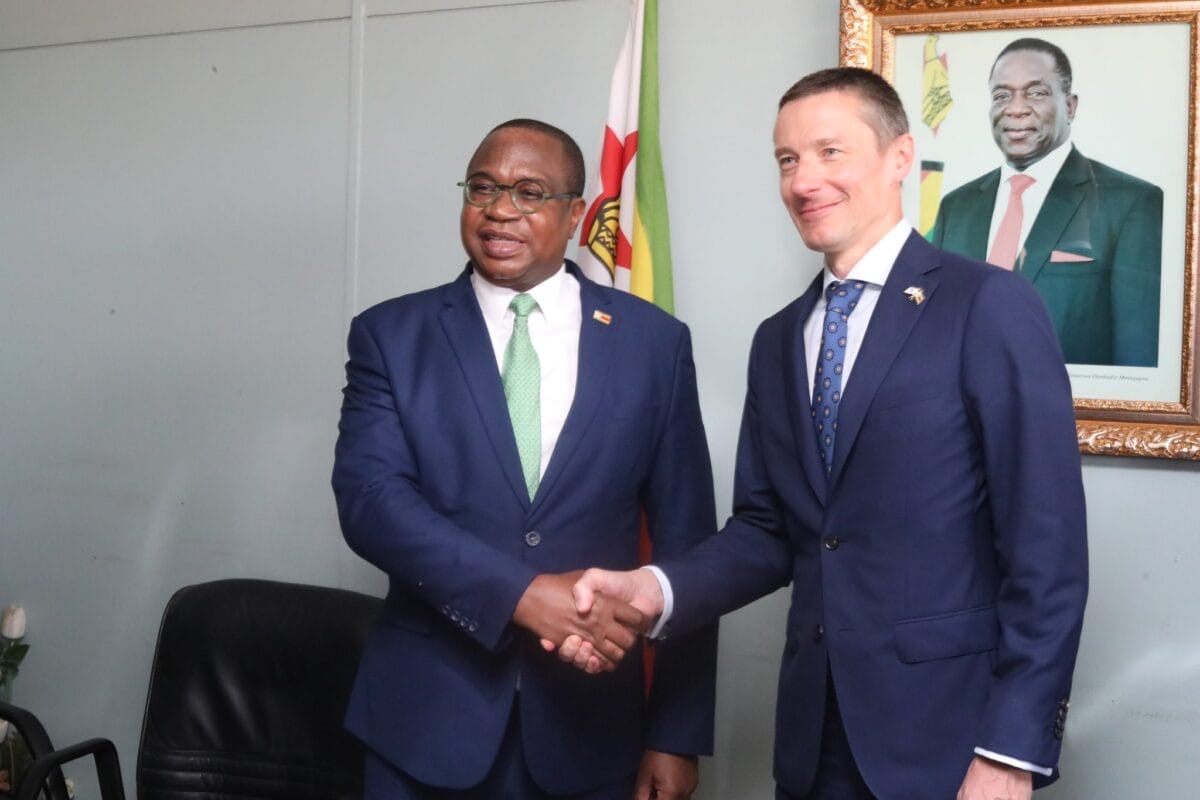
Business Reporter
The International Monetary Fund has reached a staff-level agreement with Zimbabwe on the policies needed to complete the second review of the country’s 10-month Staff-Monitored Programme, the Fund announced on Thursday.
The agreement, which remains subject to approval by IMF Management, follows a 10-day mission to Harare led by Mr Wojciech Maliszewski from 7 to 17 September 2026. Completion of the review would mark a further step in consolidating macroeconomic stability and building the track record needed for arrears clearance, debt restructuring and re-engagement with the international community.
Speaking after the talks, Mr Maliszewski said programme implementation through the end of June had been strong, with all quantitative and indicative targets met except the indicative target on protected social and priority spending. The end-June structural benchmarks — publishing the finalised user manual for the Zimbabwe Social Registry and developing a Treasury Single Account reform strategy — were also met, he confirmed.
The Fund said Zimbabwe’s economy was projected to expand by 5 percent in 2026, following growth of 8.3 percent last year. Annual inflation fell to 2.9 percent in August, a low single-digit rate, supported by tight monetary conditions and relative exchange rate stability. The current account is expected to remain in surplus this year on the back of strong export receipts and remittance inflows.
Growth is expected to moderate to 3.5 percent in 2027, however, because of the anticipated effects of a super El Niño event — an estimate that assumes the authorities’ planned mitigation measures are delivered. Inflation is expected to remain in single digits and the current account to stay in surplus. The Fund warned that the outlook was subject to downside risks should the El Niño event prove more severe than assumed, or should mitigating measures be delayed or prove less effective than expected.
Mr Maliszewski said fiscal performance through end-June had been stronger than expected, reflecting robust revenue collection. This, he said, provided an opportunity to strengthen fiscal buffers while keeping spending within the approved budget, and he stressed the importance of continued improvements in expenditure control, cash planning, public financial management and domestic arrears management.
The Fund singled out the shortfall in protected social and priority spending as a significant concern. Missing the target, it said, underscored the need to improve cash planning and budget execution so that approved resources reach priority programmes and vulnerable households in a timely manner. Mr Maliszewski welcomed the authorities’ commitment to address the implementation bottlenecks and strengthen monitoring of social spending.
On monetary policy, the Fund said the Reserve Bank of Zimbabwe had maintained a tight stance that had helped keep inflation low and contain pressures in the foreign exchange market. It said the stance should be maintained until inflation expectations were firmly anchored and confidence in the ZiG strengthened. The central bank has advanced the development of an electronic foreign exchange trading platform, described by the Fund as an important step towards more transparent, market-based trading. The authorities have also made progress on a strategy to further liberalise the foreign exchange market, strengthen monetary policy operations and reform the FX intervention framework.
Structural reforms in public financial and debt management have advanced, with U.S. dollar payments brought within the public financial management system and commitment controls strengthened. The Fund said completion of the framework for liability management operations was an important step towards ensuring debt operations were transparent, well governed and consistent with the medium-term debt strategy.
On governance, the Fund noted progress in preparing the National Anti-Corruption Strategy 2 and welcomed the publication of the Mutapa Investment Fund’s financial statements, alongside progress towards publishing those of its portfolio companies.
“Resolving Zimbabwe’s external arrears and restoring debt sustainability remain central to the authorities’ re-engagement agenda,” Mr Maliszewski said, adding that continued strong performance under the programme, progress in debt data reconciliation and sustained engagement with creditors would be important to support the next stages of the arrears-clearance and debt-resolution process.
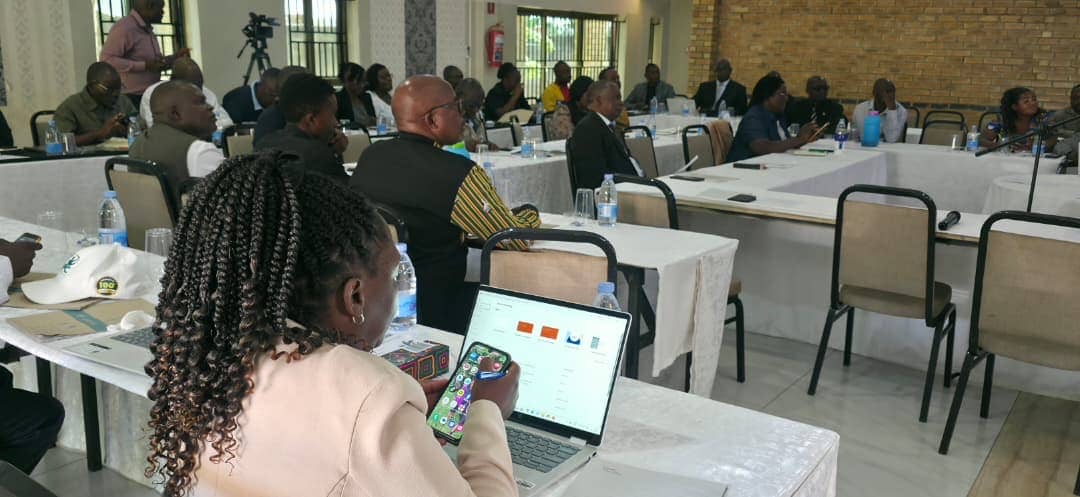
The mission met Finance, Economic Development and Investment Promotion Minister Professor Mthuli Ncube, Finance Permanent Secretary Mr George Guvamatanga, Reserve Bank Governor Dr John Mushayavanhu, senior government officials, and representatives of the private sector, civil society and development partners.
The staff-level agreement is subject to approval by IMF Management.