Online Reporter
Peter Matika, Senior Reporter
AS the world marks Men’s Health Awareness Month, a period dedicated to raising awareness around men’s health, with special emphasis on prostate cancer, a powerful shift is taking place.
More men are stepping forward, asking questions, getting screened and openly confronting a disease that, for generations, sat in the shadows of silence, stigma and fear.
Across Zimbabwe, a new consciousness is growing, one that encourages men to take charge of their health instead of waiting until it is too late.
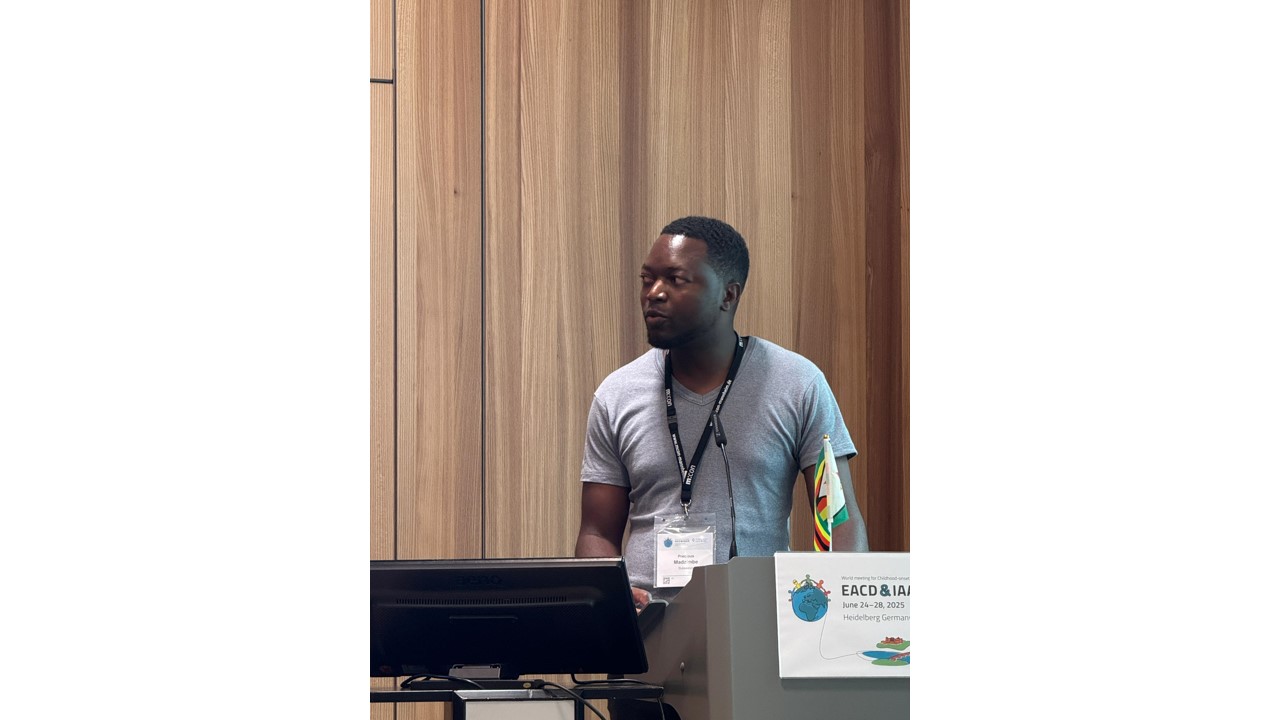
At the heart of this movement is Bulawayo-based physiotherapist, men’s health advocate and author, Mr Precious Madzimbe, whose groundbreaking 2024 book “Prostate Cancer in Africa: Family Involvement, Faith as Pillars of Support” has become a continental reference point.
The book has even been translated into several languages, widening its reach and sparking conversations beyond borders.
Mr Madzimbe said Men’s Month is not just a calendar event but a doorway to deeper conversations about longevity, masculinity and dismantling harmful cultural expectations.
“Men are waking up to the reality that their bodies matter. For too long, many associated strength with silence, but we now know that silence has cost lives. Prostate cancer is highly treatable when detected early, and awareness is the key. This month reminds men that prioritising their health is not a sign of weakness. It is an act of leadership,” he said.
Mr Madzimbe emphasised that family involvement, partners, children and siblings play a crucial role in improving outcomes for men battling prostate cancer.
Faith, too, he said, offers emotional resilience during diagnosis and treatment.
“Healing for men requires more than medical intervention. It requires support systems. Our families must walk with us, our communities must encourage us, and our faith must steady us,” Mr Madzimbe said, stating that men’s health is not as popular as women’s health, hence the potential need to shift the affirmative action from women to men.
Conversations with men across Bulawayo reveal a shift that would have been unlikely a decade ago.
For 43-year-old Mr Terrence Ncube, getting screened was a must after losing a colleague last year.
“It shook me. He was only 45. So when I heard about a free screening at a certain hospital, I decided to go. The process took minutes, and the peace of mind it gave me was priceless. My friends and I now push each other to get checked regularly,” Mr Ncube said.
Mr Tasara Dlodlo said cultural beliefs once discouraged men in his community from discussing reproductive health.
“Growing up, we were taught to endure discomfort. But these days, I see men talking openly about health in gyms, churches and workplaces. That change is powerful. We want to be present for our families, and that starts with taking responsibility for our health,” he said.
Mr Madzimbe said for younger men, the conversation is also shifting.
“The social media campaigns around Men’s Month have been eye-opening. For many youngsters, prostate cancer was something that only affects older men. But learning that lifestyle choices matter even in your twenties has made even those in that age group rethink everything from diet, exercise, and stress. Prevention is something you start early,” said Mr Madzimbe.
Mr Madzimbe believes the increasing visibility of men’s health discussions signals a cultural breakthrough.
In his book, he explores why many African men avoid seeking early medical help, fear of diagnosis, masculinity stereotypes, spiritual misconceptions and limited access to information.
But he says the tide is turning faster than expected.
“We are seeing fathers going for screening because their sons encouraged them. We are seeing churches organising men’s health days. We are seeing workplaces hiring specialists to talk about prostate health. These are signs of a cultural awakening,” Madzimbe said.
According to health experts across the world prostate cancer remains one of the most commonly diagnosed cancers among men in Africa.
Yet survival rates dramatically improve when the disease is detected early.
“What used to be a taboo conversation is slowly becoming mainstream, thanks to community outreach, online education and the brave men who are sharing their experiences,” said Mr Madzimbe.
He said beyond prostate cancer, Men’s Health Awareness Month has sparked broader conversations around emotional wellness, mental health and lifestyle diseases.
“We talk, really talk about our well-being. A few years ago, that was unthinkable. Men need spaces where they feel safe to be vulnerable. Gone are the days men would only congregate at bars and waffle to each other about masculinity,” said Mr Madzimbe.
He said taking charge of one’s health creates ripple effects.
“When a man takes care of himself, his family benefits. His children learn. His community learns. It’s a generational investment,” stated Mr Madzimbe.
Mr Madzimbe said the goal now is to keep the momentum going beyond Men’s Health Awareness Month.
“This must become a lifestyle. The message is simple: Early detection saves lives. Men must prioritise themselves, not because they are invincible, but because they are human, with responsibilities, dreams and futures worth protecting. As Men’s Month comes to a close, one thing is clear. Men are choosing knowledge over silence, action over denial, and hope over fear,” he said.