Chronicle Editor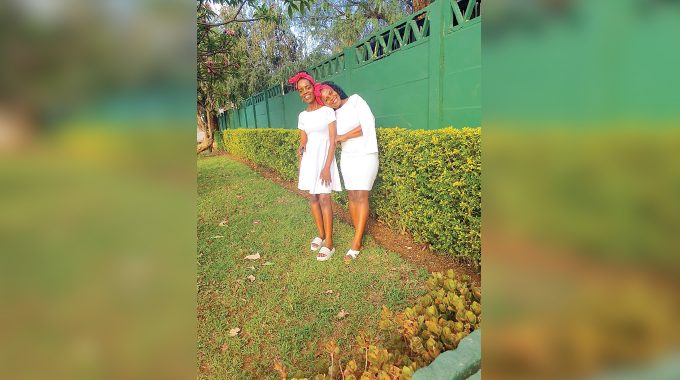
Flora Fadzai Sibanda/Ashley Phiri, Chronicle Writers
This year’s Breast Cancer Awareness Month theme, “No one should face breast cancer alone”, not only brings comfort to those battling the disease but serves as a reminder to their loved ones that the fight is better managed with a strong support system.
For those diagnosed with the disease, the battle extends far beyond the physical. It is a fight against fear, uncertainty and the emotional and physical toll of treatment.
Breast cancer is characterised by the uncontrolled growth of abnormal breast cells, leading to tumours that can spread throughout the body if not managed.
In Zimbabwe, breast cancer has emerged as a significant public health concern, with the Zimbabwe National Cancer Registry reporting that the disease accounts for approximately 34 percent of all cancers in women. Annually, 2 000 new cases of breast cancer are recorded in the country. At the United Bulawayo Hospitals (UBH), at least two to three women test positive for breast cancer weekly.
Early detection is crucial with statistics indicating that when caught early, the five-year survival rate can be as high as 90 percent.
Symptoms of breast cancer include a breast lump or thickening, often without pain, change in size, shape or appearance of the breast, dimpling, redness, pitting or other changes in the skin.
Changes in nipple appearance or the skin surrounding the nipple (areola) and abnormal or bloody fluid from the nipple are also some of the symptoms associated with the disease.
Just as cancer affects physical health, it can evoke a wide range of emotions, amplifying existing feelings and complexities. This battle can only be fought through unwavering support from loved ones.
Dr Munyaradzi Magara, a specialist breast cancer surgeon, emphasises the need for patient support to begin long before diagnosis.
“Debunking myths about breast cancer and promoting the benefits of early detection is crucial. People need to understand that seeking help early can be life-saving. Breast cancer awareness should emphasise the benefits of early detection and once families have that information, they can support their relatives to seek early intervention as soon as they notice something unusual. You know breast cancer is initially painless and people tend to seek help only when they are in pain and by then, the cancer would have spread to other parts of the body making it difficult to treat. People should support and urge their relatives to seek help as soon as possible,” said Dr Magara.
Some of the reasons for failing to seek help early include lack of knowledge from the communities about breast cancer.

In some cases those affected do not know where to go if they discover they have symptoms like lumps or abnormal nipple discharge.
The journey through breast cancer, from diagnosis to treatment, is a lengthy one. It involves diagnosis by triple assessment, physical assessment by feeling the breast itself as well as taking scans and a biopsy to assess the nature of the tumour.
Oncologists may also check whether the cancer has hormonal receptors in the body that are feeding it, if it does, there may also be a need to include hormonal treatment to the treatment plan.
The treatment usually involves surgery to remove the tumour, chemotherapy and possibly radiotherapy.
If the patient has hormonal receptors, they can also be given tablets to inhibit the hormones. This treatment can take years and emotional support from family and healthcare professionals is vital during this challenging time.
Upon diagnosis, both patients and their families receive counselling but Dr Magara notes that more can be done.
“Before a patient is diagnosed with breast cancer, we offer them counselling. We even ask for a family member or a friend they might want to know about the condition and we give both of them counselling.
Although counselling is initially offered, I think we can still do more because the breast cancer journey has a lot of stages and the treatment can take years and constant emotional support by families and healthcare professionals during the entire period is crucial,” he said.

Mr Lungisani Dube (59) from Bulawayo, shared how supporting his wife during her battle with breast cancer made the journey bearable.
Mr Dube’s wife was diagnosed with breast cancer in 2018. Their world was shattered when they were told the only way she could survive was through a mastectomy (removal of the breast with cancer cells).
Mr Dube said although they were not strained financially as they were on medical aid, the emotional burden was heavy.
He had to be strong for his wife during the course of her treatment.
Mr Dube said his wife did the mastectomy a few months after her diagnosis and underwent eight sessions of chemotherapy.
He said that is when he appreciated what the cancer patients and their relatives were going through.
“The worst was when she started doing the second session of chemotherapy and had to do it monthly.
From there, she started losing her hair, weight and her health was deteriorating every day. Most of the time, she was not able to do anything for herself so that alone was causing her stress and emotional drain,” said Mr Dube.
To make matters worse, after treatment, Mr Dube and his family were told his wife was a triple negative patient which means the cancer might come back any time.
“I wouldn’t say we have won the battle as we are still not on the safe side with the cancer having chances of recurring. My advice to people who are taking care of loved ones battling breast cancer is to be there for them, not only financially but emotionally as well. There are times when you will feel like abandoning them because they will say a lot of hurtful words to you but remember they are just going through a difficult phase and need someone to be there for them,” said Mr Dube.
Mrs Linda Mbiba’s experience with her sister, Precious, reads like a script plucked from the same pages as Mr Dube’s story.
She said when Precious was diagnosed with breast cancer, they received discouraging words from some pastors who said she would not make it. Despite this, Linda said she became her sister’s strongest advocate.
“It was hard for both of us because my once strong sister was about to throw in the towel but I refused,” she said.
Ms Melissa Ncube’s story took a heartbreaking turn when she lost her mother to breast cancer two years ago. However, she learned the importance of small gestures such as hugs, holding hands and affirming love.
“During her last days, we focused on making her comfortable and ensuring she followed her treatment plan. Emotional support greatly impacts mental health and recovery. We just kept on affirming our love for her and allowing her to do the things that she loved and as a result she was at peace.
“I was with my mother every step of the way and I think that made it easy for her because she didn’t feel like she had to carry the burden on her own. I took her to the doctor’s appointments, made sure she followed her treatment plan, hugged her and held her hand. I can say that even when she passed on, she was at peace,” she said.
Dr Magara urged those who have survived breast cancer to share their stories of encouragement with others and for health professionals to improve the type of care offered to breast cancer patients.
“We must encourage families and friends to be present, both financially and emotionally. Those who have survived breast cancer should also not shy away from sharing their stories with others; it is encouraging to find someone who has conquered what you’re going through. Most breast cancer survivors help others accept the condition but we are calling on more to come on board. They can even form support groups to help each other,” he said.
Dr Magara said health professionals should also be involved in the support of patients and should share information on how best to take care of their patents.
This Breast Cancer Awareness Month and beyond, let us commit to being there for each other.


 Online Reporter