Dr Tendai Zuze
Health Matters
WHEN we talk about breast cancer, we usually think of older women.
Schoolgirls, university students and young mothers rarely come to mind. Yet breast health is important at every age, and understanding the changes that occur as girls grow up can help families know when to relax and when to seek advice.
The good news is that most breast lumps in children and young women are not cancerous. During puberty, the breasts develop at different rates, and it is normal for one to be slightly bigger than the other. Some girls notice small, tender lumps beneath the nipples as their breasts develop. These changes are usually part of growing up.
Young women can also develop non cancerous breast lumps called fibroadenomas. These often feel smooth and move slightly beneath the skin. Although they are generally harmless, a health professional may need to examine a lump to determine exactly what it is.
Breast cancer in children is extremely rare, and it remains uncommon in young women.
However, it can occur, which is why a new or persistent breast lump should not automatically be dismissed because of someone’s age. This is not a reason for young women to live in fear or for parents to become anxious about every change. It is simply a reminder that getting the right advice is better than guessing.
In Zimbabwe, a girl who notices a breast lump may first speak to her mother, aunt or another trusted relative. This is often a good starting point. Parents and guardians can reassure young people that breast changes are common and that there is nothing embarrassing about asking for medical advice.
A visit to the clinic does not mean that cancer is suspected or that complicated tests will automatically be needed. A clinician will ask about the lump and examine the breast. Depending on the findings, an ultrasound scan may be recommended.
Many young women will simply need reassurance or follow up, while others may require further investigation.
For women in their twenties and thirties, breast cancer is still less common than it is in older women, but breast health remains important.
A young woman may notice a lump while bathing, dressing or breastfeeding. She may also observe a change in the shape of her breast, the skin or the nipple. Most such changes have explanations other than cancer, but persistent or unusual changes are worth discussing with a healthcare professional.
Pregnancy and breastfeeding bring their own changes. The breasts may become fuller, tender or uneven, and blocked milk ducts can cause lumps. These are common experiences for new mothers. If a lump does not settle, continues to grow or is accompanied by other concerning changes, however, it is sensible to have it checked rather than assuming it is simply related to breastfeeding.
Another misconception is that breast cancer only affects women who have relatives with the disease. Family history can increase risk, especially when close relatives were diagnosed at a young age, but many women who develop breast cancer have no known family history. Knowing your family’s medical history is useful, but it should not be a source of unnecessary worry.
Some women may also wonder whether they need a mammogram at a young age. Routine mammography is not recommended for every teenage girl or woman in her twenties. Screening recommendations depend on age and individual risk. When a lump is present, the clinician will choose the most appropriate way to investigate it, often starting with an ultrasound in younger patients.
In our communities, breast health is sometimes discussed quietly, if at all. Embarrassment, fear of what an examination might involve and the cost of travelling to a health facility can make people postpone seeking advice. A woman living outside Mutare, for example, may need to plan for transport and time away from work. These practical difficulties are real, but an initial assessment can help clarify whether anything further is needed.
Some families also turn to traditional healers or use herbal remedies when a breast problem develops. Cultural and spiritual support can be important, and people should be able to discuss their choices without being ridiculed. However, traditional remedies cannot reliably establish what is causing a breast lump. If someone chooses to use herbal preparations, it is wise to tell their healthcare provider, particularly if medicines are also being taken.
The message for parents is not to worry about every normal change in a daughter’s developing breasts. Instead, encourage open conversations and help her seek advice when something is unusual or persistent.
For young women, knowing what is normal for your own body is useful, but there is no need to examine yourself obsessively or become frightened by every small change.
Most breast changes in young people are harmless. When something does need attention, getting it checked allows the right decision to be made. Breast awareness is about being informed, not living in fear.
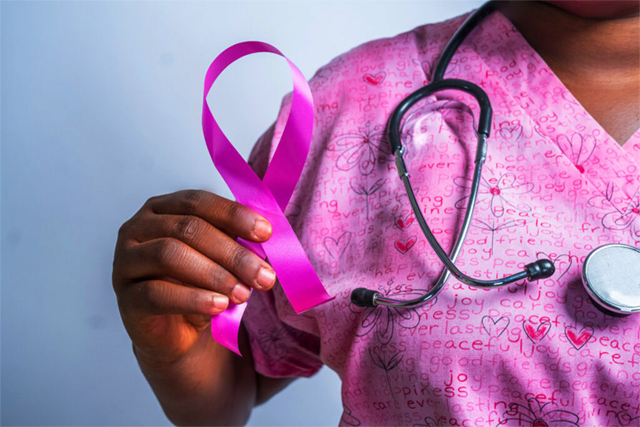
As we mark Breast Cancer Awareness Month, let us make breast health an ordinary conversation in our homes, schools and workplaces. The aim is not to frighten young women, but to give them the confidence to ask questions and seek help when they need it.
For more on breast cancer in young women, contact [email protected]