Dr Tendai Zuze
Health Matters
OCTOBER is usually a good time to talk about breast cancer.
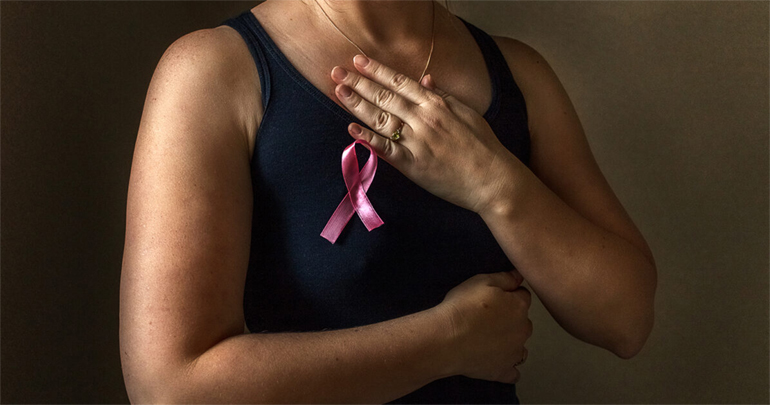
We see the pink ribbons, the walks, the social media posts and, quite rightly, plenty of reminders for women to know their breasts and look out for anything unusual.
But there is one part of the conversation that often gets forgotten. We are very good at telling women to look for a lump. We are not always as good at telling them what to do when they actually find one. And this is important because finding something in your breast can be quite frightening.
The first thing to do when you find a lump is to try not to panic. A lump does not automatically mean breast cancer.
In fact, many breast lumps turn out to be completely harmless.
Cysts, fibroadenomas, infections and hormonal changes can all cause lumps or other changes in the breast.
But the other side of the story is equally important: don’t simply ignore it. If you notice a new lump or a change that was not there before, the next step is to get it checked.
A doctor will examine the breast and the armpit and decide whether you need further investigation. Depending on your age and what is found, this may involve an ultrasound, a mammogram, or sometimes both.
And if something looks suspicious, a biopsy may be recommended. The word biopsy can sound scary, but it does not mean that someone has decided you have cancer. It simply means taking a small sample of tissue so that it can be examined properly. Sometimes the biopsy tells us that the lump is harmless, which is exactly the news you were hoping for.
This is where breast cancer awareness needs to go a little further than check your breasts.
In Zimbabwe, someone may find a lump and then spend several weeks watching it. Perhaps they are hoping it will disappear. Perhaps they are afraid of what the doctor might say. Perhaps someone has told them it is probably nothing. Or perhaps the biggest problem is simply the cost of getting investigations done. All of these are understandable. But waiting indefinitely is not a good plan.
If money is a problem, start somewhere. You can go to your local clinic (don’t assume they can’t do anything), have the breast examined and discuss the most practical way forward. You don’t necessarily have to solve the entire problem on the first day. What matters is getting the process started.
And if you are referred for an ultrasound, mammogram, biopsy or specialist review, try to complete the journey. Don’t let the referral letter become another piece of paper that gets put safely away in a handbag or drawer and forgotten about.
There is also an important misconception that breast cancer should be painful. Early breast cancer is often painless, so waiting for a lump to hurt before doing something about it is not a good strategy.
At the same time, breast pain on its own is very common and is usually not cancer. This is why we don’t diagnose breast cancer simply by how something feels. We assess it properly.
A new lump is not the only thing to look out for. Persistent thickening, dimpling or pulling of the skin, a newly inverted nipple, unusual nipple discharge, particularly blood-stained discharge, or a persistent change in the size or shape of one breast should also be assessed.
None of these automatically means cancer. But they are good reasons to get checked. And perhaps this is the part of breast cancer awareness that deserves a little more attention. Finding an abnormality is not the end of the story. It is the beginning of the story.
So, by all means, know your breasts. Look after them. Don’t be afraid to examine yourself. But if you find something that wasn’t there before, don’t spend the next six months negotiating with the lump. Make the appointment. It may turn out to be nothing serious, and that is excellent news. But if it is something that needs attention, finding it early gives you a much better chance of dealing with it properly.
For more on breast cancer awareness, contact [email protected]
Breast cancer, what to do next