Online Reporter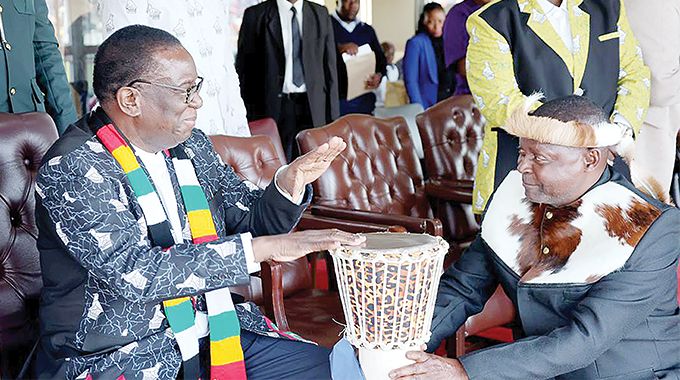
Bruce Ndlovu and Gibson Mhaka
AUTHENTIC Zimbabwean song, dance and fashion took centre stage at Barbourfields Stadium yesterday as the country officially launched this year’s Culture Month celebrations in a vibrant display that reinforced Bulawayo’s long held claim as the nation’s cultural capital.
Despite the cold winds sweeping through the historic football venue, thousands of people gathered dressed in colourful traditional regalia, national colours and cultural attire for the launch of the 2026 Culture Month commemorations. The atmosphere was lively and celebratory, reflecting a strong sense of unity, identity and pride.
From early morning, the stadium had been transformed into a lively mix of colour and rhythm. Women wore bright, patterned fabrics, while men appeared in embroidered shirts, animal skins, traditional hats and other cultural wear that reflected Zimbabwe’s rich ethnic diversity.
The terraces were dominated by the national colours — green, gold, red and black — as young people blended modern fashion with traditional designs, creating a unique expression of both heritage and contemporary identity.
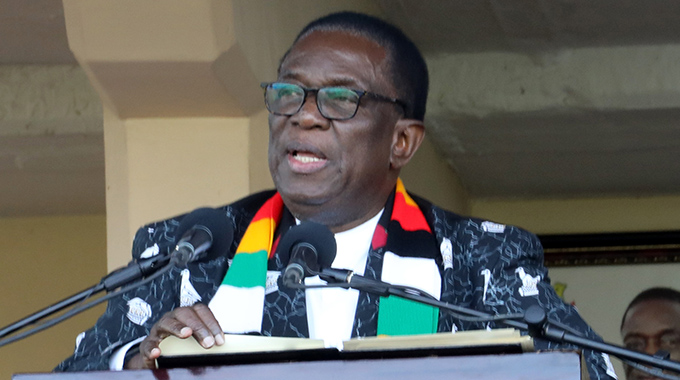
President Mnangagwa, who officiated at the national launch, received a thunderous welcome as he entered the stadium.
However, the defining moment of the day came just before he delivered his speech.
As Jah Prayzah’s popular song Chiremerera played through the stadium speakers, the President delighted the crowd by dancing along in his well-known style, moving his elbows to the rhythm of the music.
The spontaneous display triggered loud cheers and laughter across the stadium.
The crowd responded with excitement, as many stood up, sang along and waved Zimbabwean flags while the President danced with visible enthusiasm.
In those lively moments, Barbourfields became more than just a sports venue, it turned into a powerful stage for Zimbabwean culture, unity and national pride.
The celebrations, held under the theme “Cultural Diversity: Advancing Vision 2030”, brought together citizens, artistes, traditional leaders and creatives from across the country, highlighting the importance of culture in national development.

More than 120 artistes from the Matabeleland region took part in a carefully organised cultural showcase that highlighted the traditions, languages and customs of Zimbabwe’s diverse communities.
Through their attire, the performers and attendees sent a strong message about cultural identity. Young people, in particular, showed that fears of cultural disconnection are largely unfounded, as they proudly expressed their heritage.
Where fashion could not fully tell the story, music and dance filled the gap.
The energy in the stadium matched that of a major football match, with the same passion usually seen among Highlanders Football Club supporters.
In an interesting twist, Highlanders players became spectators for the day, joining fans in cheering on performers who transformed the football pitch into a cultural stage.
At one point, Tshilamoya favourite Andrew Mbeba entertained the crowd by leading teammates in song, adding to the excitement among thousands of cheering fans.
From early morning, the stadium buzzed with activity. The sound of drums, whistles, ululations and traditional songs filled the air as groups from across the country showcased their culture through dance, poetry and music.
Large banners around the stadium carried messages that reflected the importance of the day and the Government’s cultural vision.
“Destination for Heritage and Creative Tourism,” read one banner.
Another proclaimed: “Promoting our culture for national development.”
Others boldly declared: “Our Culture: Building Zimbabwe Brick by Brick,” “Safeguarding our culture, igniting innovation to achieve Vision 2030,” and “Traditional Leadership: Our Moral Fabric.”
While the banners were bold and eye-catching, the true message was already being expressed through the performances and participation of the people. The celebration itself clearly reflected Zimbabwe’s cultural strength and identity.
The event also saw strong participation from schoolchildren, who added youthful energy to the celebrations. Many were dressed in a mix of school uniforms, traditional accessories and national colours, reflecting the goals of the
Heritage-Based Curriculum, which promotes indigenous knowledge, cultural identity and patriotism.
Members of apostolic sects, dressed in their distinctive white garments, also formed part of the colourful gathering, adding to the diversity of the celebrations.
Organised by the Ministry of Sport, Recreation, Arts and Culture in partnership with the National Arts Council of Zimbabwe, the commemorations aim to encourage citizens to preserve their culture, language and traditional values as the country moves towards Vision 2030.
As the sound of drums continued into the evening and cultural groups performed before an enthusiastic crowd, the day left no doubt that Culture Month remains one of Zimbabwe’s most important celebrations of identity, heritage and nationhood.