Online Reporter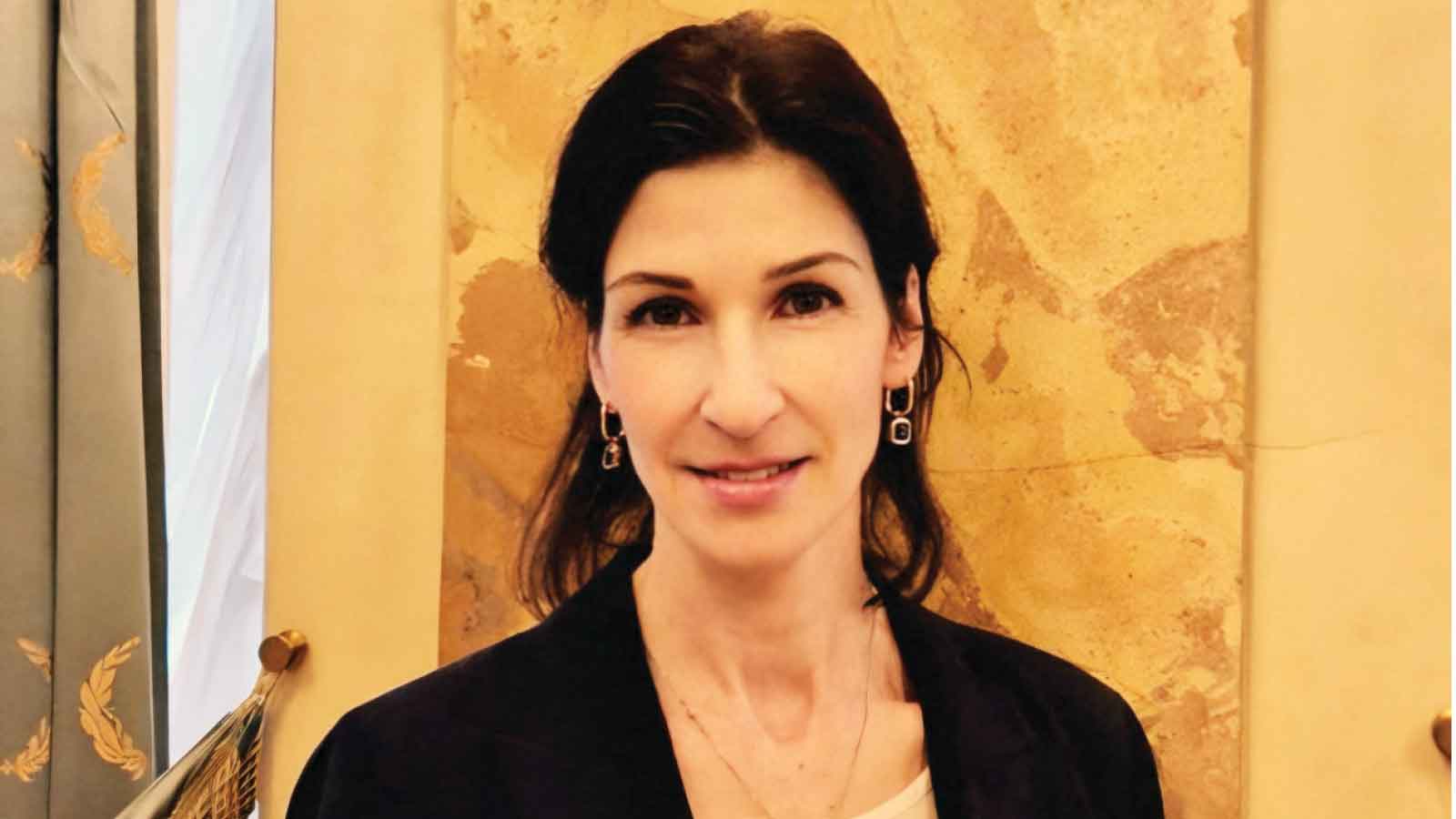
Prof George Gushungo
Do African elders not say, until lions learn to tell their own story, the story will told from a hunter’s perspective?
In recent years, the West has tried hard to maintain hegemony of world information flows and narratives but the coming in of BRICS Plus and the rise of African political consciousness has proved to difficult to contain.
Today real narratives about China, Russia, Brazil, India and South Africa are beginning to have space and the world now has its alternative information systems.
The African media landscape is still under the influence of former colonial powers, making the continent vulnerable to information manipulation and fake campaigns.
This was stated by Ekaterina Emelianenko, chair of the Expert Council of the BRICS and SCO Centre for Innovative Diplomacy, in an interview with African Initiative.
“The African media landscape does not have an African face — it is largely shaped by Western media, which have retained control over the information space. Achieving independence in the sphere of information has turned out to be much more difficult than gaining political independence,” Emelianenko noted.
According to her, key sources of information in African countries are often affiliated with media structures from the United Kingdom and France, such as The Observer or Le Monde, adapted to local contexts.
The expert pointed out that Western transnational corporations continue to dominate the African media environment due to technological and financial advantages.
At the same time, she said, African states are attempting to create their own media and promote an independent agenda, but they face limited resources and systemic competition.
“Western countries, including the United States, are developing integrated strategies of information influence: they create training platforms for journalists and organise events that help impose the desired narrative.
This directly affects the perception of both external and internal agendas in African societies,” she explained.
Commenting on the formation of Russia’s image in the African media landscape, Emelianenko emphasised that reports about Russia generally focus on Moscow’s military or political presence.
“Russia is often judged solely by news about military aid, arms supplies or statements from diplomats. Africans would like to see Russia in another light — as a partner in trade, education and culture,” she stressed.
In the expert’s view, despite attempts at manipulation, African society maintains a critical attitude towards externally imposed agendas.
“The collective memory of colonialism builds resilience to fakes. Africans sense falsehood and recognise the familiar ‘handwriting’ of information attacks,” the agency’s interlocutor added.
At the same time, Emelianenko noted that countering fake narratives is possible through the strengthening of pan-African media, the development of independent platforms and the reinforcement of the continent’s information sovereignty.
From October 8-10, the Global Digital Forum in Nizhny Novgorod will host a session by the African Initiative dedicated to the impact of fakes in the African information field on perceptions of Russia.
The West has been using fakes to influence African narrative and subsequent thinking. It is becoming too late. The world now knows.