

 Online Reporter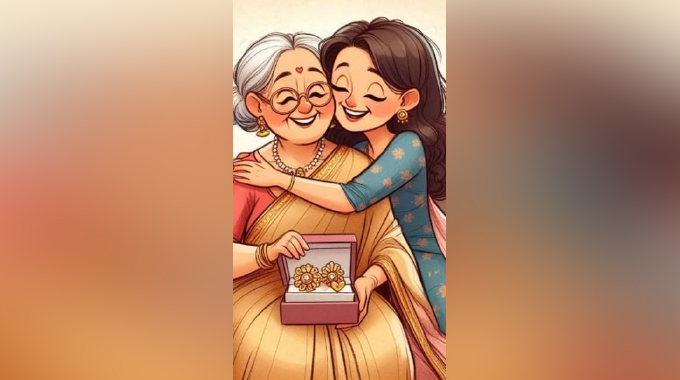
Puline T Nenerai [email protected]
In many African homes, marriage is not just the joining of two people. It is the joining of two families. At the centre of that union often stands a relationship that can either make a home peaceful or make it tense: the relationship between a mother-in-law and a daughter-in-law.
When it works, it is beautiful. A mother-in-law becomes a second mother, a guide, and a keeper of family traditions.
A daughter-in-law brings fresh energy, new ideas, and the promise of grandchildren. Together they can build a home where respect flows both ways, children are nurtured, and family unity grows stronger with each generation.
Traditionally, the expectation has been clear. The daughter-in-law is expected to respect her husband’s parents and learn from them.
The mother-in-law is expected to welcome, mentor, and support the young woman entering her family. It is a partnership rooted in Ubuntu — compassion, respect, kindness, and community. In healthy families, you see it every day: shared cooking in the kitchen, advice given with love, and both women celebrating birthdays, graduations, and new babies as one family.
But we also know that this relationship can be delicate. No two women come from the exact same background. Differences in age, upbringing, education, and ideas about how a home should be run can create friction.
A mother-in-law may hold tightly to customs she grew up with — how meals are prepared, how children are disciplined, how holidays are observed.
A daughter-in-law may want to build her own traditions in her marriage, make independent decisions, and set boundaries for her small family. When these expectations clash without open conversation, misunderstandings grow.
Other challenges creep in too. Poor communication. Competition for a son’s or husband’s attention.
Unrealistic expectations. Interference in the couple’s private matters. Gossip. In the age of social media, even a careless comment can widen the gap.
The good news is that tension is not inevitable. Strong mother-in-law and daughter-in-law relationships are built, not inherited. And they start with two things: mutual respect and healthy boundaries.
For the mother-in-law, it helps to remember that her son has started a new family. That does not mean she is being replaced. It means her role is evolving — from daily manager to trusted advisor.
Offering guidance when asked, celebrating the couple’s wins, and giving them space to make mistakes and learn is a powerful gift.
A word of encouragement often goes further than criticism.
For the daughter-in-law, respect remains key. That includes honouring the mother-in-law’s experience, listening to her stories, and communicating with courtesy even during disagreements.
Asking for advice, involving her in family events, and expressing appreciation can turn a formal relationship into a genuine bond.
Both women benefit when they choose direct, calm conversations over silent resentment. Address issues early.
Avoid triangulation and gossip. Focus on shared goals: the well-being of children, family harmony, and a home where everyone feels valued.
Ubuntu gives us the framework. Choose understanding over criticism. Choose cooperation over competition. Choose love over resentment.
When a mother-in-law and daughter-in-law stand together, they model for the younger generation what it means to resolve differences with grace.
The truth is, you don’t have to be best friends to have a good relationship.
You do have to be intentional. Check in. Celebrate each other. Defend each other in public. Set boundaries kindly, and keep them consistently.
A strong bond between a mother-in-law and daughter-in-law does more than keep peace in one household.
It creates stability for children, it preserves culture while allowing it to evolve, and it reminds us that family is about addition, not division.
In the end, every family writes its own story. And when two women decide to write theirs with respect, empathy, and Ubuntu, the whole family reads a better chapter.
l Pauline T Nenerai is a registered counselling psychologist



 Bongani Ndlovu