Chronicle Editor
Robert Ndlovu
THE digital divide in Zimbabwe, particularly in rural areas, has long been a challenge. But now, there’s a game-changing solution – Starlink, a satellite internet service developed by SpaceX.
It has the potential to connect communities that previously had no reliable access to the internet, transforming everything from education to local economies.
What is Starlink?
Starlink is a satellite-based internet service that delivers high-speed internet via Low Earth Orbit (LEO) satellites. Unlike traditional satellite internet services like VSAT, Starlink’s satellites orbit much closer to the earth, significantly reducing the delay (latency) in data transmission. This makes Starlink ideal for applications like video calls, online classes and live streaming, which need fast and reliable internet.
How to get connected?
Getting started with Starlink is straightforward:
1. Visit the Starlink website at https://www.starlink.com.
2. Enter your location —simply type in your village, town, or suburb where you want the Starlink dish installed. For example, if you’re in Inyathi, just type that in.
3. Sign up by entering your email address and personal details. You will receive confirmation emails as you proceed through the steps.
4. Place your order for the standard Starlink kit, currently priced at US$350, excluding taxes and other charges.
5. Make the payment directly to Starlink through their secure platform. Be cautious of phishing emails, as Starlink does not use third-party vendors for payments.
6. Once you’ve completed the order, you’ll receive a confirmation email and your kit will be shipped to your location. In Zimbabwe, Frampol and Utande are authorised Starlink dealers, offering support and services for local customers.
Why Starlink is a game-changer?
Starlink is revolutionary for several reasons. First, it provides reliable, high-speed internet to areas that previously had little to no coverage from traditional mobile networks or telecom providers. In rural and remote regions, all you need is a clear view of the sky, and you’re connected.
While the initial cost of the kit might seem high, the monthly data plans are quite affordable. At the official launch, Zimbabwean subscribers paid just US$50 per month for unlimited data, with speeds of up to 100 Mbps.
This level of connectivity means you can easily set up Wi-Fi hotspots at your rural homestead or business, allowing multiple users to access the internet.
Impact on education
The education sector stands to benefit enormously from Starlink. Schools, whether in remote areas like Plumtree or Nyamapanda, can now connect not only their staff and students but also the surrounding community.
With high-speed internet, teachers and students can access a vast library of online resources, from interactive tutorials to video lessons.
For instance, during the Covid-19 pandemic, I helped instal Starlink systems in Bulawayo and Nkayi. Teachers were trained to create and store teaching materials online, becoming “publishers” in their own right.
With tools like Google Drive, they could store up to 10GB of data for free, which included e-learning materials and recorded lessons.
Beyond just storage, the availability of “live video lessons” means that students and teachers in rural areas can interact with instructors from anywhere in the world, be it Victoria Falls or Gwanda. This kind of e-learning can help bridge the educational divide between urban and rural areas.
Opportunities for communities and businesses
Starlink also creates opportunities for small businesses and community centres. Farmers, for example, can broadcast video tutorials, teaching others about innovative farming techniques. Content creators —teachers, community leaders, or local experts — can produce video materials aligned with Zimbabwe’s Ministry of Education curriculum.
In terms of technical performance, Starlink’s low-latency connections outperform traditional satellite systems like VSAT. This is critical for video calls, live conferences and other activities that require a fast internet connection. With a Starlink setup, rural schools and businesses can participate in the global digital economy, something that was previously out of reach.
Power solutions for Starlink
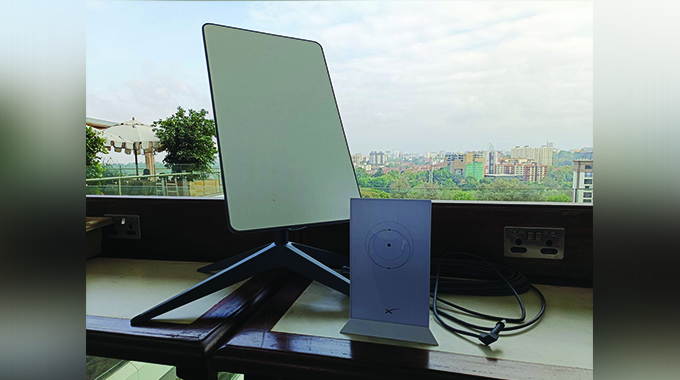
One of the key considerations for rural areas is power. The Starlink dish and router consume about 100 watts, meaning that even a 1kVA solar system can support it. However, for schools and larger installations, a 3kVA solar system with lithium batteries is ideal, allowing for more devices to be powered and for longer hours of internet use.
Looking to the future
As we embrace the Fourth Industrial Revolution (4IR), the role of affordable, high-speed satellite internet becomes even more crucial. We need to equip schools with the necessary tools and teachers with ICT training, ensuring they’re tech-savvy from the start. This will enable Zimbabwean students to develop the digital skills they need to thrive in today’s global economy.
Conclusion: A leap towards connectivity
Starlink is more than just a satellite internet service. It’s an opportunity to bridge the digital divide in Zimbabwe, providing rural areas with affordable, fast and reliable internet access. For just US$50 per month, a single Starlink system can serve an entire community. Schools, businesses and even homes can now be connected to the rest of the world, creating endless opportunities for education, commerce and communication.
The future of connectivity in Zimbabwe looks bright and with Starlink, rural areas that were once isolated now have the chance to join the global digital village.
Think of the Starlink like a mini base station or tower. A base station that can be set up in less than an hour if there are any roof mountings to be done. Camp meetings, weddings and other outdoor events. The list is endless.
Precaution
The very fact that Starlink is on people’s lips these days, people must be careful NOT to get trapped via fake phishing links. This is very important. The same way as it is important to keep your account details safe. For schools, there is always software to filter undesirable content. But it is important for media and other stakeholders to educate people on the dangers.
In the next article, I will delve deeper into the setting up of community Wi-Fi hotspots for rural development councils for farmers.
λ Robert Ndlovu is an ICT expert based in Bulawayo, founder and chief technology officer at Wozatel Communications.


 Online Reporter