Gibson Mhaka [email protected]
BRINGING healthcare closer to remote and marginalised communities is critical to improving access to treatment, Matabeleland South Provincial Medical Director Dr Andrew Felix Muza has said.
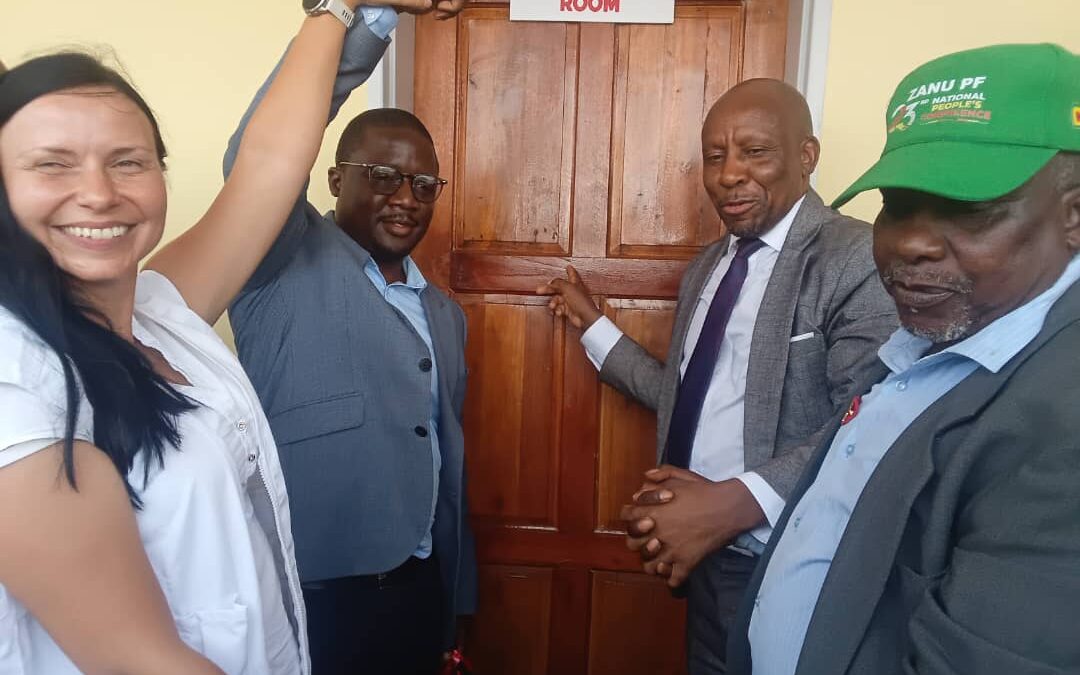
In a speech read on his behalf by Dr Mthandazo Mabanga on Tuesday during the handover of a fully equipped clinic, an ambulance, a portable X-ray machine and two Land Cruiser vehicles to the Zindele community in Ward 23, Gwanda-Tshitaudze Constituency, Dr Muza said the investment demonstrated how partnerships between Government, development organisations and communities could extend essential health services to remote areas.
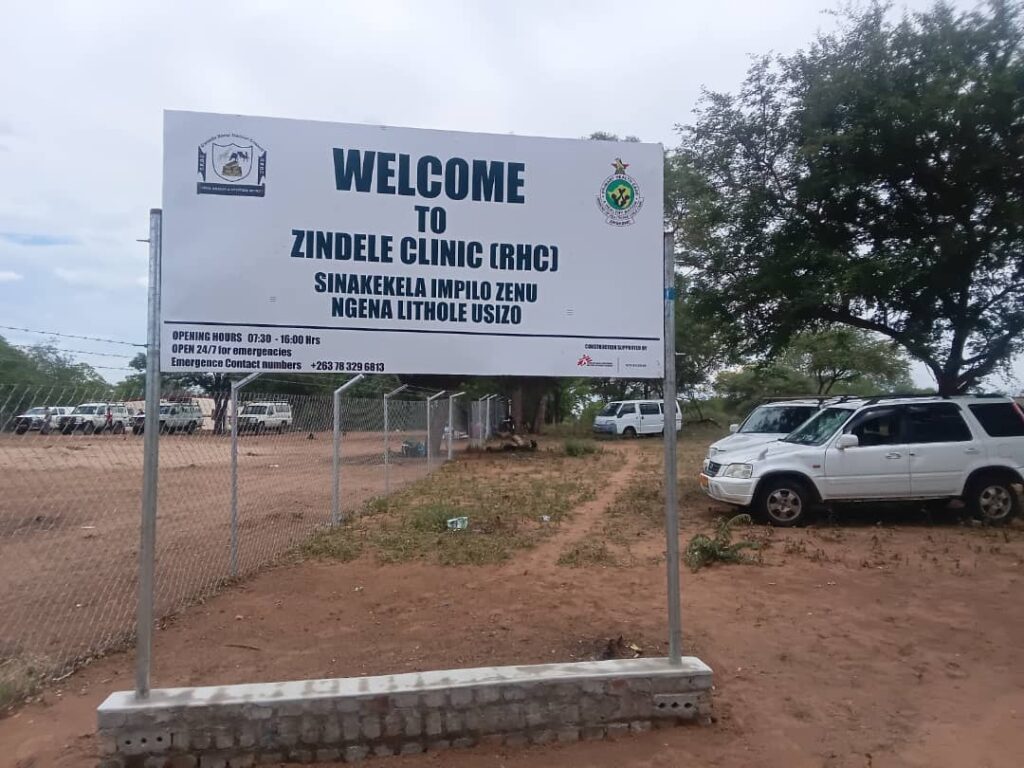
The handover by Médecins Sans Frontières (MSF) also marked the conclusion of the Artisanal Small-Scale Gold Mining Basic Healthcare (ASGM-BHC) project, which was implemented in Gwanda District from 2023 to 2026.
“Through mobile outreach services, innovative diagnostic technologies, mental health interventions, and community-based approaches, thousands of miners and people in mining communities gained access to essential healthcare services closer to where they live and work,” Dr Muza said.
He said miners’ mobility, remote workplaces and economic pressures often made it difficult for them to access health facilities.
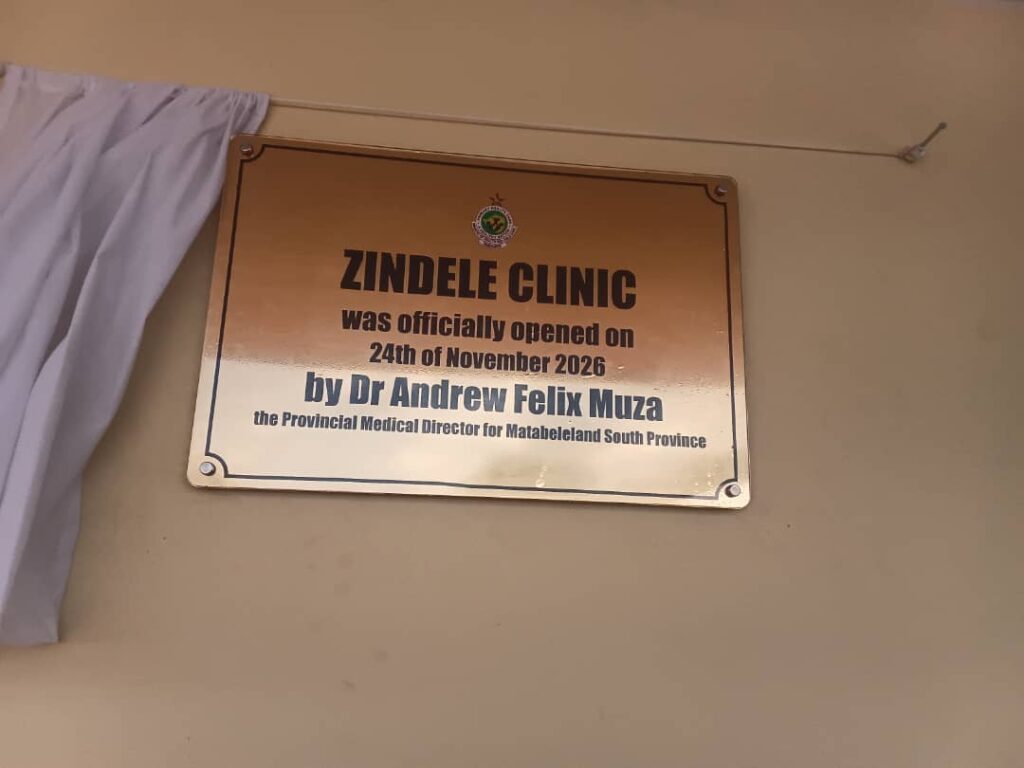
Zindele Clinic, the district’s first health post, is expected to reduce travel distances and improve access to primary healthcare.
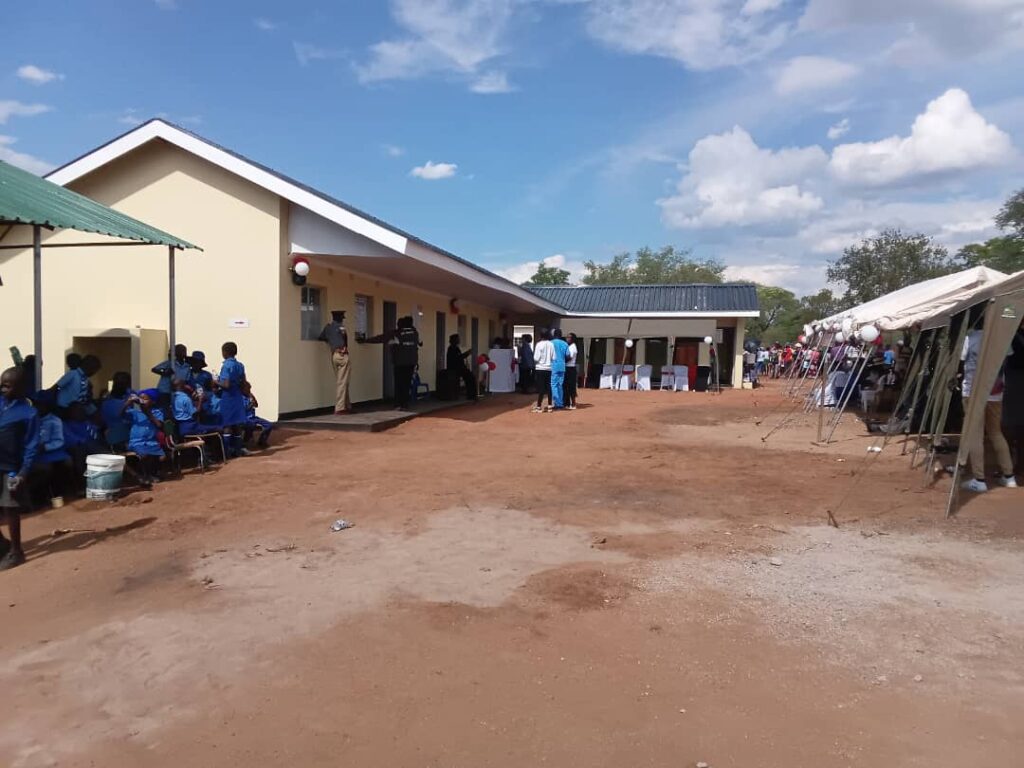
Dr Muza said the clinic would be integrated into the district health system, but cautioned that infrastructure and equipment alone would not guarantee better health outcomes.
“The true value of this clinic will be measured by the lives it touches, the quality of care provided and the confidence communities have in accessing its services,” he said.
The investment supports the priorities of the Second National Development Strategy (NDS2) and Vision 2030, which seek to improve access to essential services and strengthen human capital.
This is particularly important in remote communities where access to health infrastructure remains limited.
The project also highlights the importance of partnerships in healthcare delivery, with development organisations, private-sector players and communities complementing Government efforts through investments in infrastructure, equipment and technical expertise.
MSF country director Zahra Zeggani-Bec said conventional facility-based services alone could not adequately address the healthcare needs of miners operating far from health centres.
“Accessing healthcare can mean losing valuable working time and income.
“We recognised that conventional facility-based services alone would not adequately address these barriers; therefore, MSF took healthcare closer to where artisanal miners live and work, while serving the surrounding communities,” she said.
The project provided an integrated package of services covering HIV, tuberculosis, sexually transmitted infections, mental health, sexual and reproductive health, immunisation, and maternal and child healthcare.
Zeggani-Bec said silicosis increased the risk of tuberculosis five to six times, while the combination of silicosis and HIV could raise the risk to 21 times.
Through mobile clinics and health education, the project reached 60 000 people, conducted 37 429 consultations and carried out more than 12 700 HIV tests over three years.
An ultra-portable digital X-ray machine with computer-aided detection technology also supported the screening of miners for tuberculosis and silicosis.
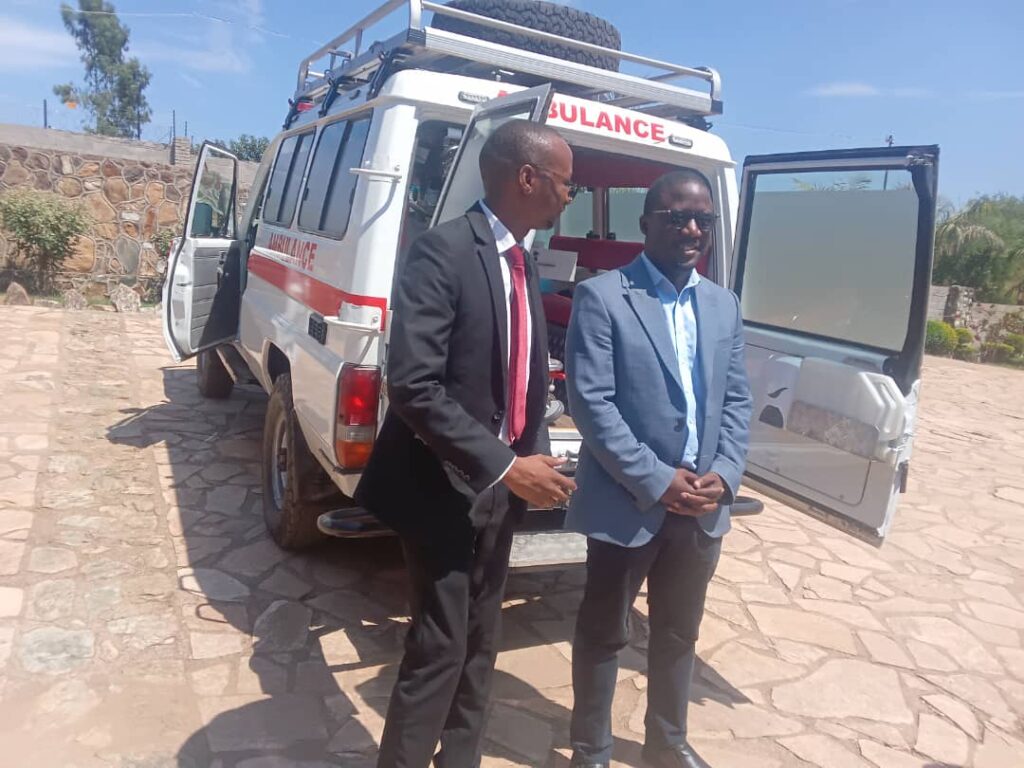
The ambulance will strengthen patient referral services, while the two Land Cruisers, handed over to the Ministry of Health and Child Care and the Zimbabwe National Family Planning Council, will support community outreach activities. The portable X-ray machine will further enhance diagnostic capacity.
Zeggani-Bec urged local partners to sustain the peer-led approach following MSF’s departure, noting that the end of the project did not mean an end to the healthcare needs of mining communities.
Dr Muza also commended residents for clearing the clinic site, providing labour and safeguarding construction materials, saying their participation demonstrated that improving community health was a shared responsibility.