Lovemore Dube
FROM the Khumalos who laid the foundation to the Ndlovus, Ngodzos and Mushore brothers who carried the black-and-white badge across generations, Highlanders’ century-long story is also a tale of footballing families.
As Bosso celebrate 100 years of existence, the contribution of brothers who played for the club stands out as part of a rich legacy built on talent, loyalty and family pride.
Highlanders has never been just a football club. It is an institution whose roots run deep in families and communities, with generations passing on their love for the black-and-white colours since 1926.
Some families have given Bosso supporters, others administrators, while several have produced brothers who shared the dressing room and the pitch in the pursuit of football glory.
The Khumalos, Makhandas, Ngcebetshas, Hlabanganas, Ndlovus, Dzowas, Phiris, Pakeths and Nxumalos are among the surnames woven into the club’s rich history.
At its formation, Highlanders is said to have had the Khumalo brothers, Albert and Rhodes, whose love for football was ignited during their education and stay in South Africa.
Bored by idleness at Lonely Mine, where their family resided, the brothers cycled from KoNkosikazi to Bulawayo during one holiday and arrived in Makokoba, where they formed Lions FC, which later became Matabeleland Highlanders in 1937 before adopting the name Highlanders in 1975.
The Ngcebetsha brothers and Hlabanganas also feature in the club’s early history, with Nsele Hlabangana dying in September 1997, days after this writer had interviewed him and listened to him recount some of Bosso’s history.
Over the decades, the brothers’ contribution helped Highlanders win an assortment of silverware, including the Chibuku Trophy, Castle/Zifa Cup, Heroes Cup, Africa Day Cup, Independence Cup, Rothmans Cup and national and regional league titles.
Chester and Gibson Makhanda are said to have been outstanding players in the 1960s, but it was the brotherly combinations that came into the spotlight from the 1970s onwards, when radio, television and print media coverage helped immortalise their exploits.
Douglas Mloyi found his elder brother Tennyson in the Bosso first team in the 1970s, with Tennyson playing as a striker.
The Luphahla brothers, Kainot and Willie, followed their brother Albert Magagula, who was club chairman around 1963-64 when Highlanders was grappling with the fallout of the Big Three split that saw several players move to Cobras.
Among the stalwarts who survived that split was Edward Dzowa, nicknamed Sales House, whose brothers Kenneth and Paul Tsumbe also made their mark.
The Tsumbes gained national fame through stints at Father Davis’ St Paul’s Musami, Highlanders and Bulawayo Sables.
A Rhodesia national team trialist at a time when Bobby Chalmers, Gibson Homela, Peter Nyama, Twyman Ncube, Chris Mhlanga and Ernest Kamba were among the country’s hottest strikers,
Tsumbe left an enduring legacy.
Edward’s sons, Nkululeko and Mpumelelo, also played for Highlanders, with Mpumelelo going on to represent the Warriors and Harare clubs Darryn T and CAPS United.
Highlanders legend Lawrence Phiri, both as a player and manager, also had his younger brother Kingstone in the club’s goalkeeping pool in 1980 and 1981.
The Paketh brothers, Tito and Francis, are remembered among the most skilful players to don the Highlanders jersey, with Tito, like Edward Dzowa and Lawrence Phiri, enjoying a trophy-laden stint at the club.
Phineas Mabaleka and his cousin Tymon Mabaleka are also fondly remembered in Bosso history.
Tymon is regarded by the older generation as the club’s Best Player for the Decade 1971-1980. A gifted and charismatic performer, he was a marvel to watch as an attacking midfielder or second striker and became Highlanders’ first player to be capped after Independence.
Bosso is also said to have missed out on the services of Peter Nkomo’s elder brother George, who left to join the liberation struggle.
At Independence, Highlanders recruited Allan and Neil Boonzaier from Old Miltonians.
James and Josiah Nxumalo, a defender and striker respectively, remain among the most talked-about members of Bosso’s successful 1970s side. Their younger brother Enock also played for the club.
As the famous Highlanders coach of the 1970s, Silas Ndlovu, sought to strengthen his squad, he raided the Mangula camp and brought in Itai Chieza, a member of the 1969 World Cup qualifiers squad.
His brother Winston also joined, although he did not have the same influence and impact as Itai.
Itai and Thabani Masawi were another exciting pair of brothers to don the black-and-white colours.
Mike, Jeffrey and Ndiza Mpofu also played for Highlanders in the 1960s and 1970s, making theirs one of the families with multiple siblings to serve the club.
The Bosso story of the 1980s and 1990s would be incomplete without mention of the Soma-Phiri brothers, Amin and Makwinji, who scored crucial goals as they established themselves in the team.
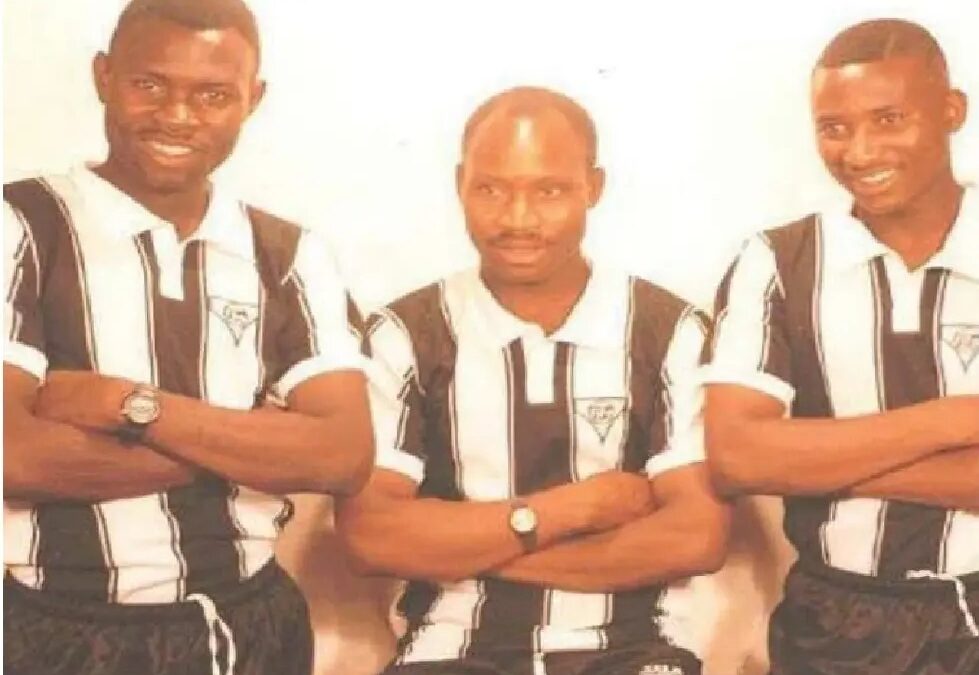
But perhaps the most celebrated footballing brothers to emerge from Bosso are the Ndlovus — Madinda, Mark Tundu, Peter and the late Adam.
The 1980s belonged to Madinda, Highlanders’ player with the most calendar appearances (five), followed by Ariel Sibanda and the late Mercedes with four.
Many children were named after Madinda, whose brilliance on the pitch made him a household name. Match after match, he took matters into his own hands, producing magic to score goals and win big games for Bosso.
He appeared to reserve his best performances for CAPS United, Dynamos, Arcadia, Rio Tinto and Zimbabwe Saints, some of the biggest teams of that era.
When he moved to Germany in 1989, his younger brothers Adam and Peter stepped into the spotlight, albeit with different individual attributes.
Adam was a natural number nine, a powerful finisher who could fend off defenders and put the ball away with aplomb, while Peter borrowed some of Madinda’s pace but added cheeky body swerves to deceive defenders.
The brothers won numerous accolades for the club and their names remain etched in Highlanders’ history.
Their influence stretched beyond the black-and-white jersey to the national team and club football abroad, with the trio becoming among the first brothers from the club, and perhaps Zimbabwe, to play in Europe.
In recent decades, the Ngodzo brothers — Joel, Johannes and Zephaniah — have also stamped their mark at the institution.
Joel and Johannes are remembered for their creativity and moments of pure genius, while Zephaniah was tough as teak, leaving everything on the field.
Mason and McKinnon Mushore are the latest set of brothers to turn out for Highlanders, continuing a family tradition that has run through the club’s 100-year journey.
Dazzy Kapenya and his younger brother John, as well as Thulani Ncube and Thubelihle, also played for the club. Dazzy and Thulani, in particular, were part of fantastic brotherly combinations that won championships for Bosso.
Bekithemba Ndlovu and his brothers Mbongeni and Dumisani, popularly known as Fazo, are also among families that contributed more than two siblings to Highlanders, joining the Mpofus,
Nxumalos and Ndlovus in a special Bosso family club.
From the early pioneers to modern-day stars, the brothers who have worn the Highlanders jersey have helped make the club more than just a football institution.
They have made it a family affair — a legacy of generations bound together by the black and white.