Chronicle Editor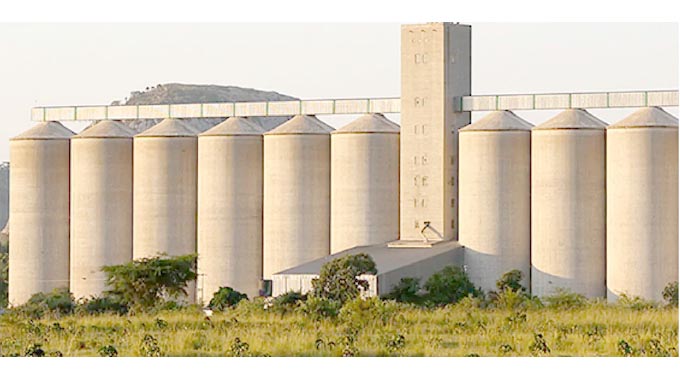
Judith Phiri, Business Reporter
BUBI Rural District Council chief executive officer Dr Patson Mlilo has said there is a need for the Grain Marketing Board (GMB) to devolve its depots to the districts, a development that will ensure they retain their food security status.
Speaking during a recent tour of Mary Ellen Farm in Bubi District, Matabeleland North Province by Ministry of Lands, Agriculture, Fisheries, Water and Rural Development officials and various stakeholders, Dr Mlilo said a GMB depot in the district will help secure their food security.
“We have heard that the country is wheat self-sufficient as we broke the record last year and we anticipate the same this year. In terms of grains, we are also self-sufficient due to the bumper harvests we had in the previous years.
“When the Zimbabwe Vulnerability Assessment Committee (ZimVAC) is doing its assessments, it has said Bubi District is food secure because of the Mary Ellen Farm and the great work being done by farmers here. However, the maize which is produced here is sold in Bulawayo,” he said.
“We are making an appeal that the maize and other grains produced here be stored at our local GMB. As council we have given GMB land to set up its depot, our request and prayer is that they will be facilitated to improve their structures so that the maize from this district is kept so that we retain our food secure status as highlighted by the ZimVac report.”
He said that would also resonate with President Mnangagwa’s vision of leaving no place and no one behind through the devolution agenda.
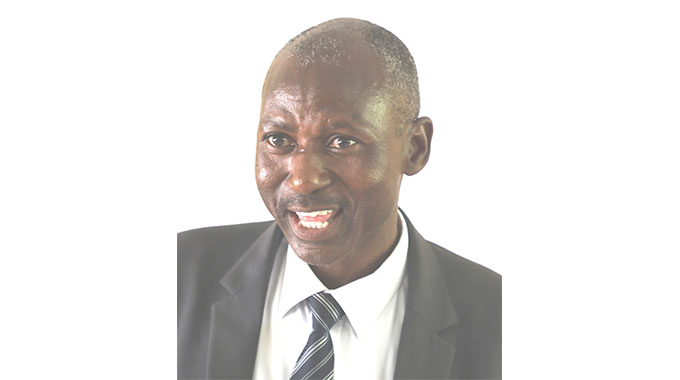
Dr Mlilo called on farmers to emulate the Mary Ellen Farm concept and take farming as a business in order to generate income for their livelihoods.
A diversity farming enterprise at Mary Ellen Farm has seen it contributing to the growth of the agriculture sector in the country in line with the economic Vision 2030 to attain an upper middle class economy.
Among other activities, the farm has about 464 cattle, 100 hectares under forage, 30 hectares being lucerne and 70 of giant Rhodes grass.
For the summer season, 70 hectares has been put under commercial maize, 110 hectares on seed maize and 150 hectares on soya beans. The farm is also one of the major contributors to national wheat production in the country.
Dr Mlilo said: “We have been inspired to take agriculture as a business. As council, we find a person with more than 50 hectares of land coming to us saying they are applying for a piece of land to start a business. When you go to their farm you find out that they are doing nothing but they have got US$15 000 to buy land to put up a business structure. When you ask them after setting up the structure how much are you going to receive per month you, they will say not more than US$500.
“When you try and compare to say which business is better the shop they want to build with for US$15 000 and turning their farm into a diverse business enterprise by being productive, the latter is much better.”
Meanwhile, Dr Mlilo appealed to the Mary Ellen Farm management to assist the local farmers to improve their cattle breeds.
“We have seen different and good quality cattle breeds here, we appeal to Mary Ellen to adopt the surrounding farmers and communities in terms of livestock breed improvements. If they can lend them their bulls that are resistant to diseases through their social corporate responsibility, it will go a long way to improving our breeds.”


 Online Reporter