Peter Tanyanyiwa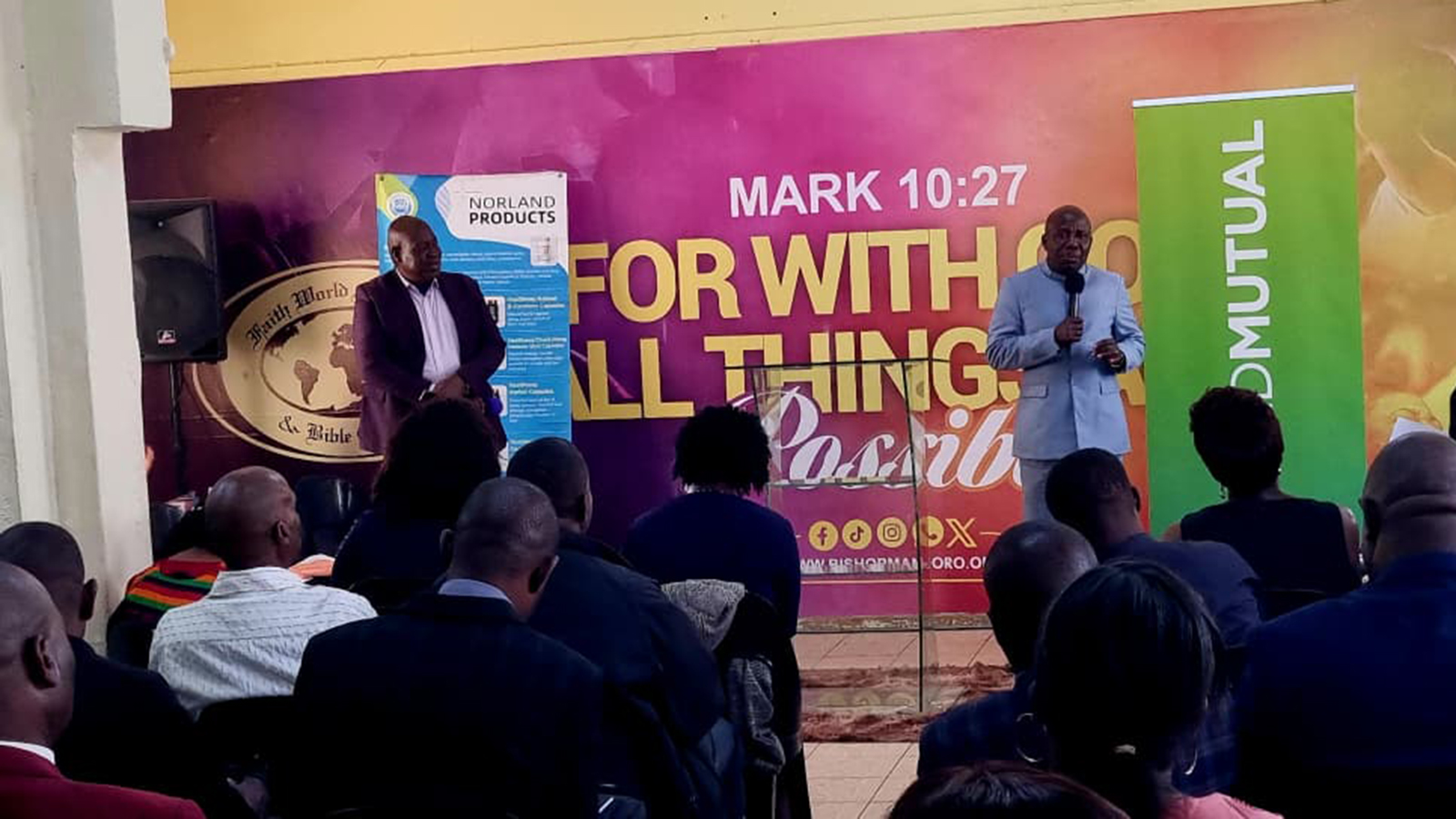
Peter Tanyanyiwa
Herald Correspondent
MORE than 100 pastors, church leaders, business professionals, and aspiring entrepreneurs gathered at Manica House in central Harare today for the Legacy Builders Global Hub – Masterclass Business Seminar, a faith-driven event aimed at transforming ideas into income.
The seminar, themed “From Ideas to Income,” was organised by the Legacy Builders Global Hub in partnership with the Christian Business Network Africa.
It brought together a diverse audience seeking practical solutions to unemployment, limited access to capital, and the need for sustainable business models.
Opening the seminar, Reverend Dr Isaiah Musafare Magaya, chief executive officer of the Christian Business Network Trust, emphasised the need for continuous learning and practical application of business principles within the Christian community.
“We have been talking about ideas for a long time, but we are not done yet. Today, we come together to learn, to relearn, and to unlearn what is important to us. Our focus is to help you apply these lessons, not to be a burden, but to empower you to take charge of your own future,” said Dr Magaya.
“You are the one who has to pay for your expenses, and our role is to equip you so that your income is enough to meet your needs.”
Dr Magaya highlighted the importance of building a foundation for the next decade, urging participants to develop business ideas that would secure a better future for their families and communities.
Rev Dr Florence Hazvineyi McLaren, Vice President of God’s Generals International Platforms and President of Women in Ministry, addressed the unique challenges faced by Christian families and ministers.
“We have realised that many believers, especially ministers of the gospel, focus solely on the spiritual aspect. But we must also build a legacy that is business-minded. If we do not make a difference now, we risk losing our children and our communities,” said Rev Dr McLaren.
“This seminar is about equipping spiritual men and women who are business-minded, so that generations after us can make a meaningful impact.”
She stressed the need for ministers to support each other and their families through entrepreneurship, ensuring that future generations are empowered both spiritually and economically.
Founder and president of Legacy Builders Global Hub Bishop Dr Aderino Nyabanga outlined the seminar’s core mission: to move participants from merely having ideas to generating sustainable income.
“Our aim is to train people to practice entrepreneurship. Many think only of looking for a job or say they lack capital, but today we are showing how to turn an idea into a business,” said Bishop Dr Nyabanga.
“It’s not enough to rely on a salary or one income stream. We want people to think outside the box—locally, regionally, and globally.”
He added, “We are training people to become the bosses of their own organisations, the employers of the next generation. This is what we are doing under Legacy Builders Global Hub.”
The event featured presentations from stakeholders such as Old Mutual, EcoCash, and Empower Bank, who offered guidance on accessing stock loans, preparing business proposals, and managing careers. Attendees also had the opportunity to network, showcase their businesses at exhibition tables, and receive certificates of participation.
Speakers at the seminar emphasised the importance of financial literacy, formalising businesses, and record-keeping. Participants were encouraged to open business accounts, separate personal and business finances, and seek mentorship and coaching.
“Nowadays, many people struggle to get jobs because they lack the know-how. It is crucial to formalise your business, keep proper accounts, and adapt to the changing world,” said one of the facilitators.
“Mentoring, coaching, and continuous learning are key to business growth.”
The Legacy Builders Global Hub seminar is part of a broader trend in Harare and across Zimbabwe, where business seminars and workshops are increasingly seen as vital for skills development, networking, and fostering innovation. Similar events have contributed to professional growth, collaboration, and the empowerment of marginalised groups, including women and youth.



 Online Reporter