Mbulelo Mpofu in Johannesburg, South Africa
FROM monetising lyrics and understanding copyright to securing corporate sponsorships and overcoming international travel barriers, the ninth edition of the Music in Africa Conference for Collaborations, Exchange and Showcases (ACCES) challenged African musicians to look beyond talent and treat their craft as a serious business.
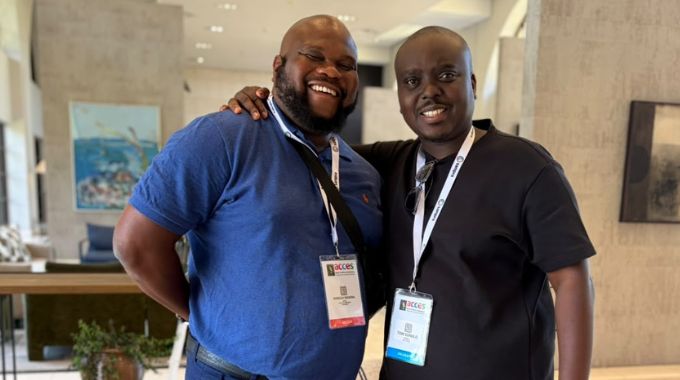
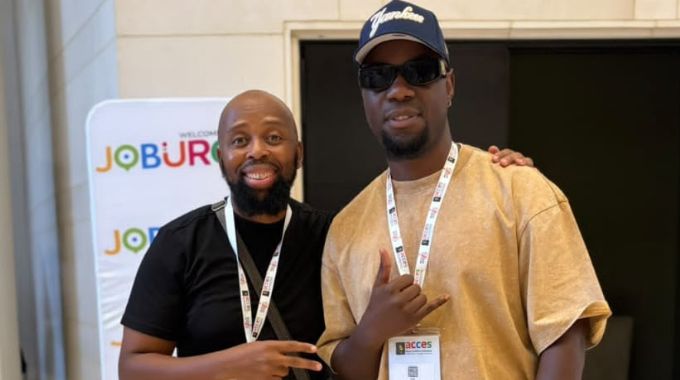
Held at The Campus in Bryanston, Johannesburg, South Africa, from October 28 to 31, the conference brought together artistes, music executives, entrepreneurs and other industry stakeholders to explore opportunities for growing Africa’s presence in the global music economy.
While the performances provided entertainment, it was the conversations around the business of music that proved particularly enlightening. One message emerged: Africa has the talent, but unlocking its full commercial potential requires knowledge, professional structures and a better understanding of intellectual property.
Several discussions offered important lessons for Zimbabwe’s developing music industry.
One of the most insightful sessions focused on intellectual property (IP) and how music creators can turn their rights into revenue.
Moderated by Indi Chawla, Head of International Relations at the UK’s Mechanical Licensing Collective, the discussion explored opportunities beyond the traditional income streams of live performances, streaming and broadcasting.
Robert Singerman, Partner and senior vice-president of International Publishing at US-based LyricFind, highlighted the commercial value of lyrics and music data licensing.
This is an area Zimbabwe’s music industry cannot afford to overlook. Lyrics are intellectual property that can generate income when licensed to digital platforms and other authorised services.
Accurate metadata, meanwhile, ensures songs are properly identified, ownership is established and royalties reach the rightful beneficiaries.
For Zimbabwean songwriters, publishers and collective management organisations, the message was clear: proper song registration, metadata management and publishing administration are essential to accessing revenue opportunities in the global digital economy.
Another standout conversation was a fireside chat featuring Mantwa Chinoamadi, CEO of T-Musicman (South Africa); Katherine McVicker, Director of Music Works International (US); Belgian cultural mobility advocate Marie Fol; and Kayode Adebayo, Founder and CEO of Nigeria’s Ckrowd.com. The discussion was moderated by Zimbabwean festival host Walter Wanyanya.
Adebayo challenged artistes to stop treating their careers as hobbies and start approaching them as businesses.
Drawing from his experience in event organisation and corporate engagement, he emphasised that talent alone does not convince companies to invest in musicians. Artistes must demonstrate the commercial value of their brands.
His argument was that having a good voice, a popular song or music available on Spotify is not enough when approaching potential sponsors.
Instead, musicians need professionally prepared pitch decks outlining their brands, audience demographics, streaming figures, social media reach, achievements, previous partnerships and future objectives.
This was a timely reality check for Zimbabwean artistes, many of whom have built impressive followings but struggle to translate their popularity into meaningful corporate partnerships.
If musicians expect businesses to invest in their careers, they must clearly demonstrate what those businesses stand to gain.
The conversation also highlighted cultural mobility as a major obstacle to the growth of African music. An artiste may secure an invitation to perform at an international festival, attend a conference or participate in a residency, only for complicated visa processes to threaten the opportunity. Fol stressed the importance of addressing these barriers, particularly in an industry that
thrives on international collaboration and cultural exchange.
“African governments must recognise that musicians, producers, sound engineers, managers and other creative professionals are economic participants whose work often requires international travel.
“Simplified visa procedures and practical arrangements for cultural professionals would help facilitate cross-border collaboration.
“The African Union’s broader integration ambitions should also translate into tangible opportunities for people working in the creative economy. Mobility is not merely about travelling; it is about accessing markets, building networks and creating economic opportunities,” said Fol.
Copyright literacy was another major talking point, with Nick Matzukis, Director of South Africa’s Academy of Sound Engineering, emphasising the importance of understanding contracts and ownership arrangements.
This is particularly relevant in Zimbabwe, where some musicians enter recording deals and collaborations based on verbal agreements, friendships and assumptions about future earnings.
Jotam Matariro, CEO of CAPASSO, drove the point home by highlighting the importance of split sheets.
“A split sheet records the contributors to a song and the agreed percentage of ownership allocated to each. Signed by the parties involved, it helps prevent disputes over songwriting credits and royalties long after a recording session has ended,” said Matariro.
Matariro also explained the distinction between a musical composition and its master recording.
“The composition comprises elements such as lyrics and melody, while the master refers to the actual recorded performance. Both are separate assets with distinct rights and potential revenue streams,” he said.
The lesson for Zimbabwean musicians is simple: never enter a studio, sign a management agreement or release collaborative work without understanding ownership and how income will be shared.
Copyright knowledge should not be left to lawyers and publishers. It must be basic business knowledge for everyone involved in music.
Ultimately, ACCES 2026 reinforced the need for a mindset shift across Africa’s music industry.
Zimbabwe has the talent and creativity to compete internationally, but this must be matched by professional management, stronger rights administration, investment and supportive policies.
There is money beyond the stage, opportunities beyond streaming and value beyond the music itself.
ACCES was therefore more than a meeting of music enthusiasts. It was a reminder that while talent creates the music, knowledge, ownership and sound business practices build sustainable careers.