Langalakhe Mabena, [email protected]
WHEN the road leading to Mbembesi begins filling with visitors from Bulawayo, other parts of Zimbabwe and the diaspora, the destination will become more than a gathering place.
It will be a meeting point between generations, a landscape where history speaks through the graves of fallen warriors and where the living gather to ensure the memory of their forebears does not fade into oblivion.
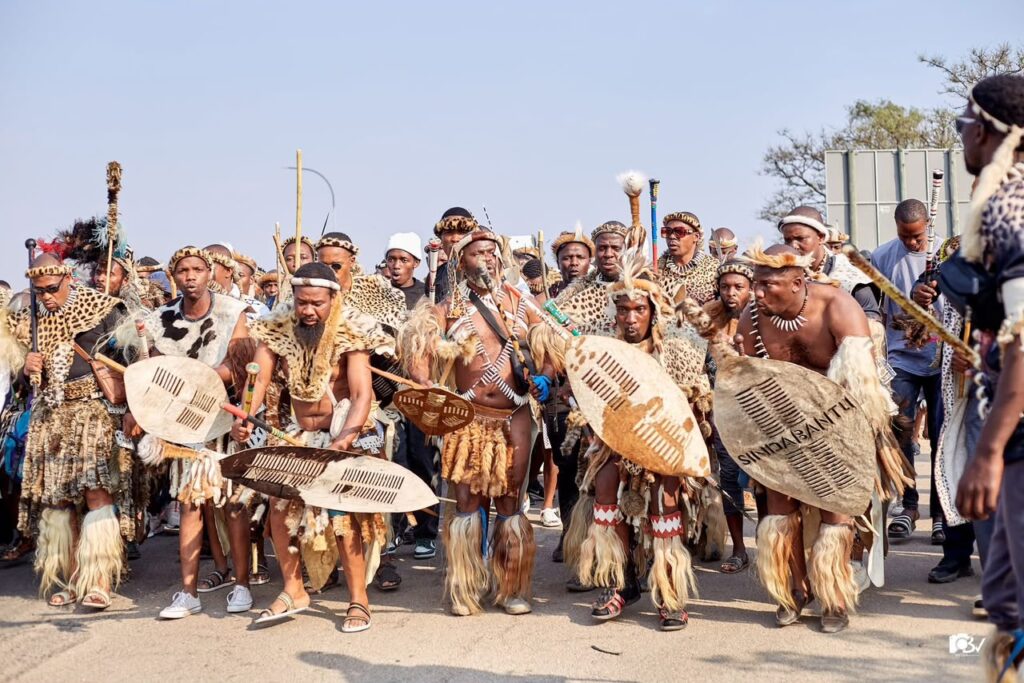
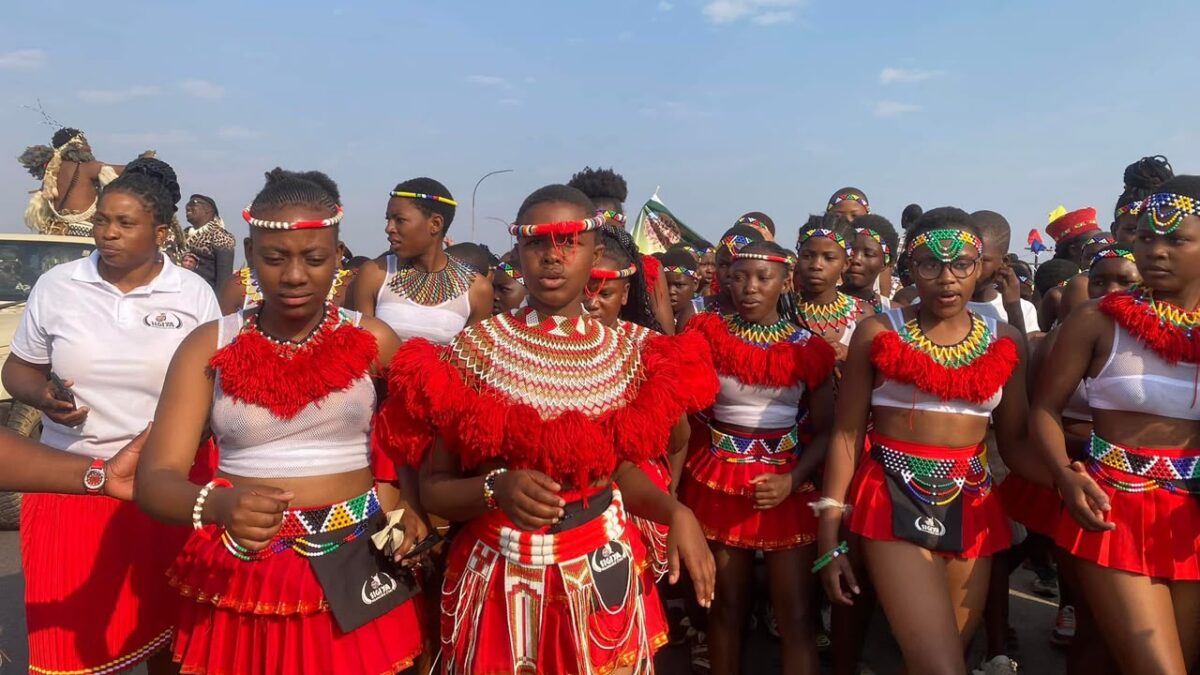
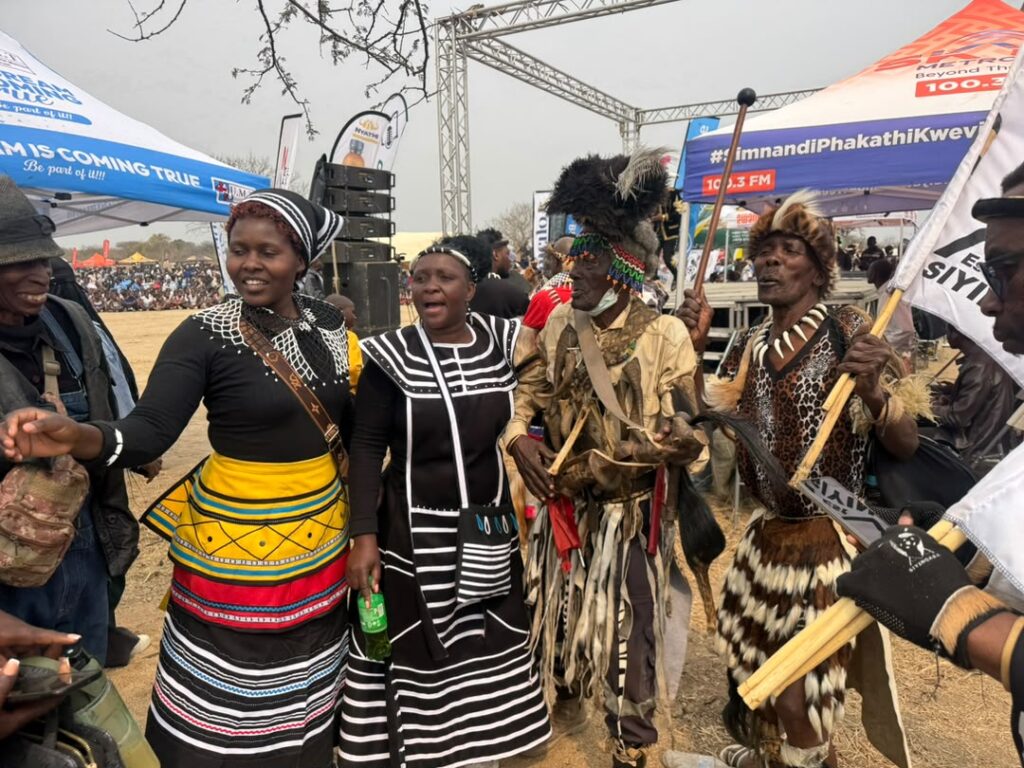
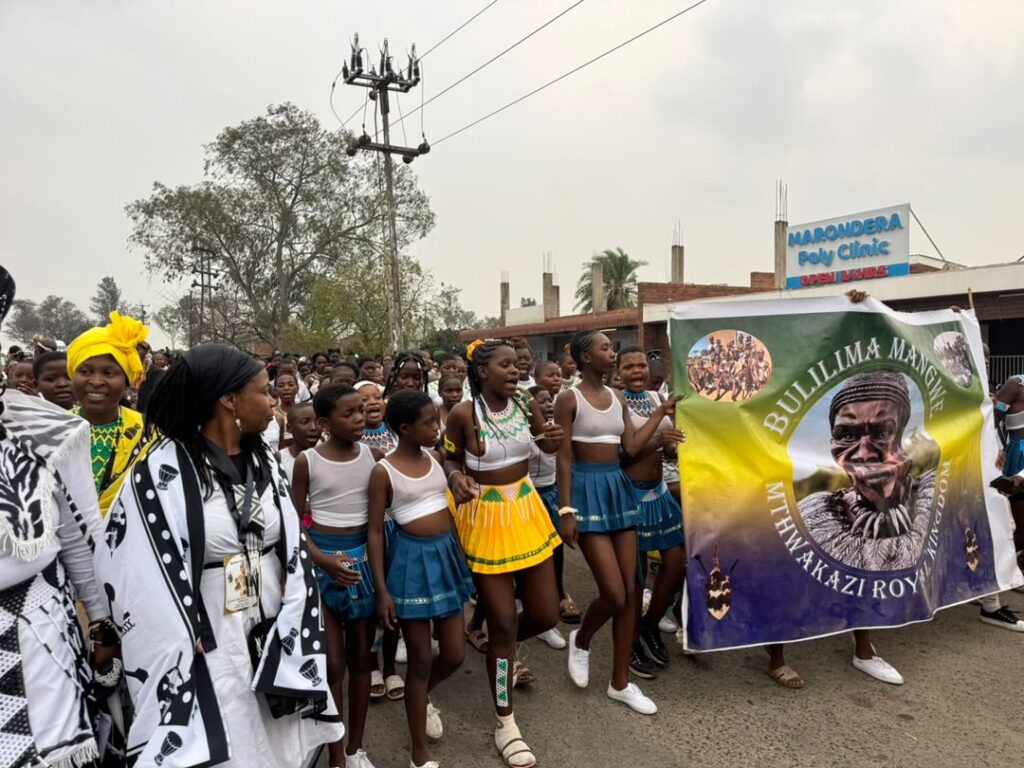
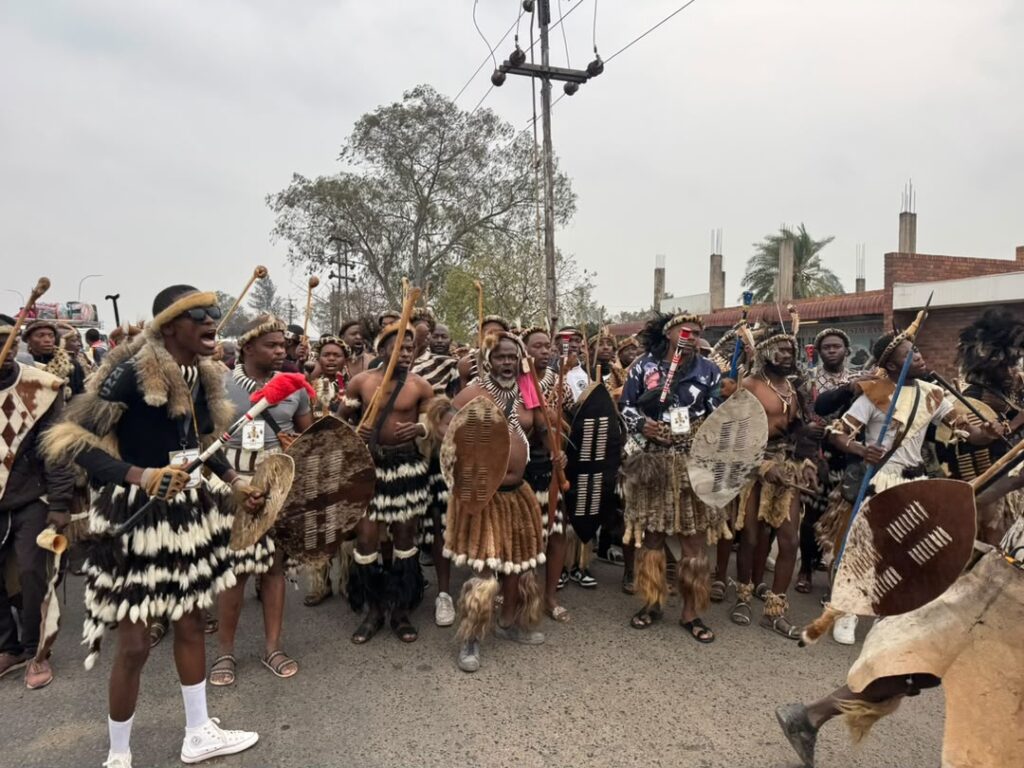
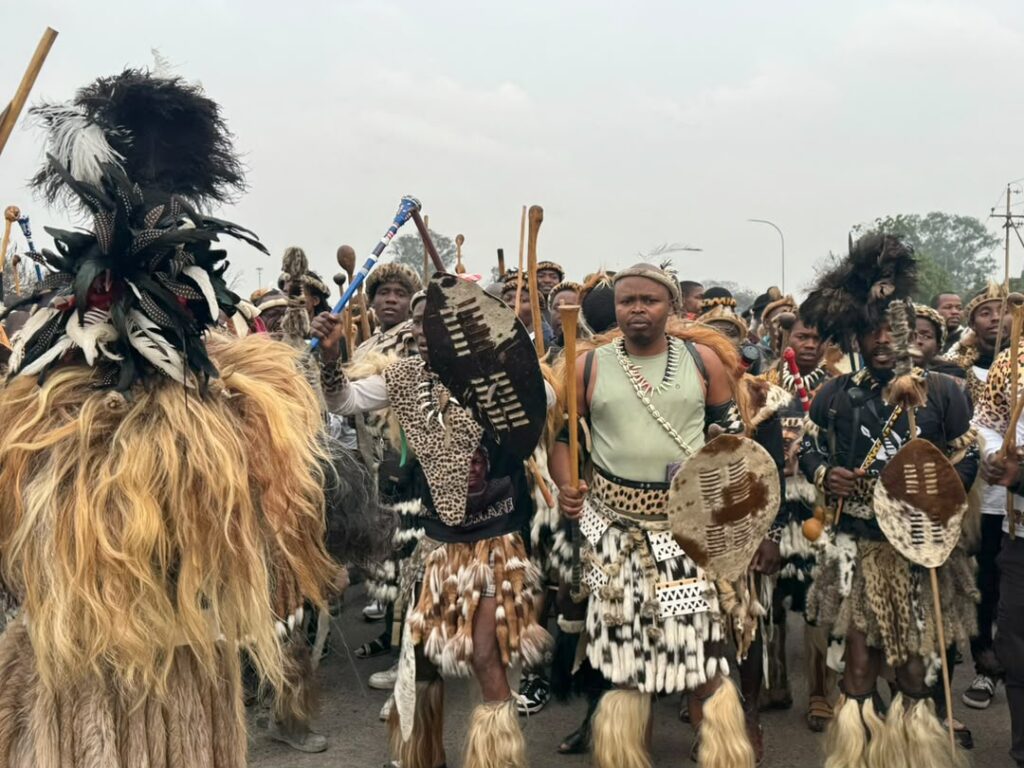
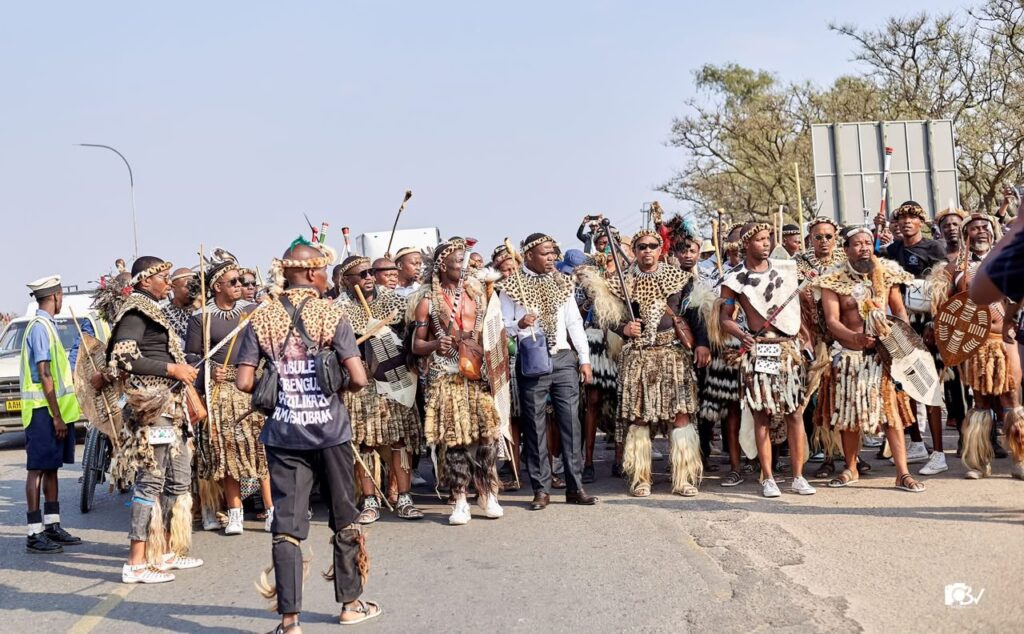
Today, the Gadade Memorial Site in Mbembesi, Matabeleland North, will become a hive of cultural activity as communities converge for the annual commemoration of the Battle of Gadade, one of the defining episodes of the First Matabele War of 1893.
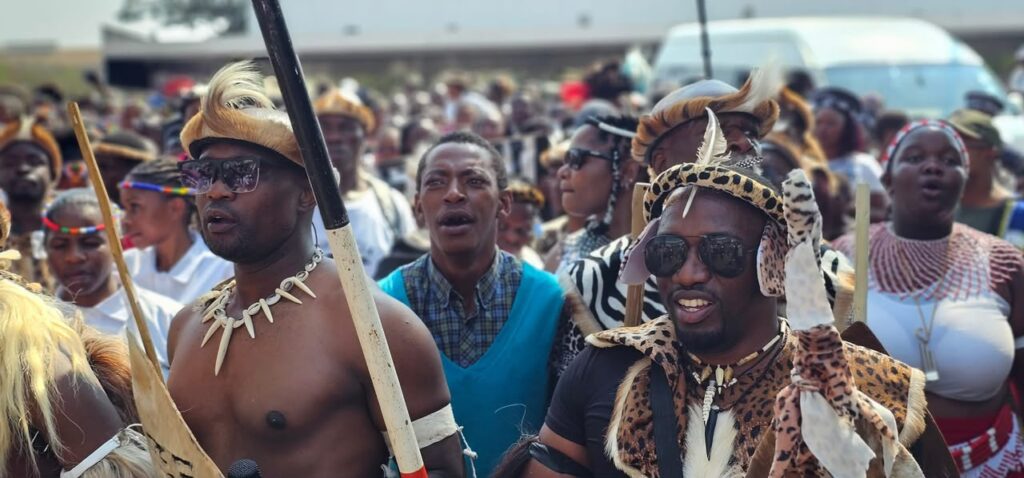
It is a day when remembrance takes centre stage, but the occasion is also about cultural reclamation, collective identity and the responsibility of a people to tell their own story.
Through historical presentations, traditional leadership, cultural expressions and communal fellowship, the gathering seeks to breathe life into a past that continues to shape the present.
The Battle of Gadade, fought on November 1, 1893, was a bloody confrontation between Ndebele warriors and the advancing forces of Cecil John Rhodes’ British South Africa Company (BSAC).
Warriors drawn from the Imbizo, Ameva, iSiziba, iHlathi, iNsukamini and Ingubo regiments stood against the colonial invasion, defending a kingdom whose sovereignty was under threat.
Their courage, however, was met with the devastating firepower of the invading forces, including the Maxim machine gun.
The Ndebele fighters were overwhelmed, and the defeat marked a decisive moment in the colonial campaign.
Days later, Bulawayo fell to colonial forces, setting in motion the dismantling of the Ndebele Kingdom’s central authority.
Yet, more than a century later, Gadade remains a place where military defeat has not translated into the surrender of memory.
The annual gathering allows communities to reflect on the sacrifices made in defence of their land, dignity, identity and way of life.
For Umhlahlo Wesizwe SikaMthwakazi, the organisers of the commemorations, the significance of the occasion lies not only in revisiting the past but also in bringing people together around a shared cultural and historical inheritance.
One of the organisers, Greater Sibanda, said preparations had been completed despite initial transportation challenges.
He said arrangements had been made for limited free transport, with school-going children receiving particular attention as part of efforts to make the event accessible to younger generations.
Those attending have been advised to gather at Large City Hall in Bulawayo at 7.30 AM, with departure scheduled for 8 AM.
“We can say that we are ready for the event taking place today at Mbembesi. We had transportation challenges, but there are people who have come forward to assist us.
“We are still inviting kombi and bus operators to assist with transporting people to eGadade. We appeal to them to charge fair and affordable fares as their contribution towards making this important commemoration accessible to our communities,” said Sibanda.
The programme will begin at 10 AM with historical presentations at the road point before traditional leaders lead a procession to the graves.
Participants will visit the graves of the white soldiers and the mass grave where Ndebele warriors who fell during the conflict are believed to have been laid to rest.
From there, the procession will move to the main arena, where traditional leaders, representatives of Umhlahlo Wesizwe SikaMthwakazi and other speakers will address the gathering.
A special tribute to King Lobengula will also form part of this year’s proceedings, placing the monarch and his kingdom’s resistance within the wider conversation about the events of 1893.
Historians will provide further insight into the battle, the engagements that preceded it and the wider circumstances surrounding the colonial invasion.
Their contributions are expected to help participants understand Gadade beyond the familiar accounts of gunfire and military defeat, placing the battle within the political, cultural and historical experiences of the Ndebele people.
For Sibanda, however, one of the most important battles being fought today is the battle against historical amnesia.
He said young people had been placed at the centre of this year’s commemorations because preserving heritage required more than the recollections of older generations. It demanded the participation of those who would inherit the responsibility of keeping that history alive.
“This year, we are placing particular emphasis on youth participation, historical awareness and the preservation of the Gadade site. We want younger generations to understand the courage and sacrifices of those who defended isizwe, as well as their own responsibility to preserve that heritage,” he said.
Sibanda said the organisers also wanted to move beyond the annual gathering by laying the groundwork for the protection and development of the memorial site as a centre for historical learning and heritage tourism.
“We also intend to place Gadade within the broader story of the 1893 resistance, recognising the engagements that preceded it. Alongside remembrance, we want to encourage practical discussion about protecting the graves and developing the site as a place of historical learning and heritage tourism,” he said.
Ultimately, Gadade is a reminder that a people’s history cannot be confined to the pages of old books or left to gather dust in archives.
It lives in the stories passed between generations, in the names of regiments, in surviving cultural traditions and in the willingness of communities to return to places where their history was violently interrupted.
For those making the journey, the message is clear: the warriors may have fallen, but their story remains part of the living memory of the nation.
“Umlando wethu uyaphila,” said Sibanda.