Chronicle Editor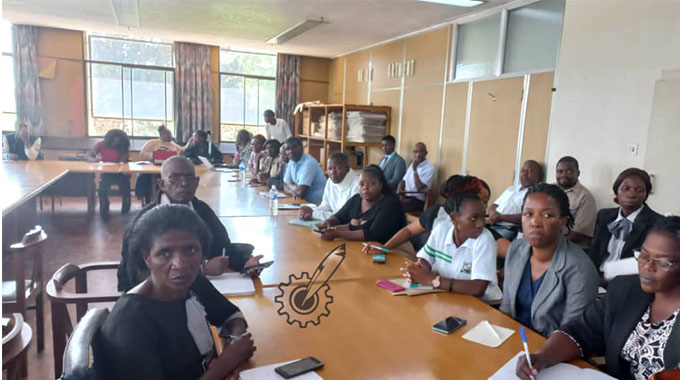
Nqobile Tshili [email protected]
The Bulawayo City Council is undertaking a comprehensive review of its environmental by-laws to address the issue of solid waste management. Stakeholders from various sectors have gathered at the Bulawayo Tower Block lecture room to discuss strategies and solutions aimed at improving the city’s waste management practices.
The existing by-law, which was enacted in 1970, has become outdated and no longer aligns with the current needs and challenges faced by the city. To address this, the council has partnered with Mercy Corps, a non-governmental organization, to develop an inclusive and effective solid waste management by-law.
Key highlights of the proposed by-law include provisions that will compel organizations and individuals to maintain cleanliness within a 5-meter radius of their premises. Additionally, the by-law aims to tackle the issue of abandoned vehicles, which have become a significant problem in the city.
To combat illegal dumping, the council intends to name and shame individuals involved in such activities, while also encouraging whistleblowing to identify offenders. Under the new by-law, litter will be considered the property of the city, strengthening the council’s authority in enforcing waste management regulations.
Furthermore, the council seeks to regulate event waste by holding event organizers responsible for cleaning the areas where events are held. Companies will be required to have a waste management plan in place, and they will be held accountable for the litter generated by their products.
To enforce compliance, the proposed by-laws will introduce a range of fines categorized from level one to level five, depending on the severity of the violation.
The Bulawayo City Council is committed to improving solid waste management practices in the city, and the review of the environmental by-laws is a significant step towards achieving this goal. The council recognizes the importance of stakeholder engagement and will continue to work closely with relevant organizations and individuals to ensure effective implementation of the new by-law.



 Online Reporter