Blessings Chidakwa Senior Reporter
INDEED, the numbers spoke for themselves, as Bulawayo Metropolitan province turned out in overwhelmingly large numbers to embrace the flagship First Lady Dr Auxillia Mnangagwa’s Doek Drive.
The remarkable numbers told a powerful story of cultural pride, unity and a renewed embrace of Zimbabwe’s traditional values.
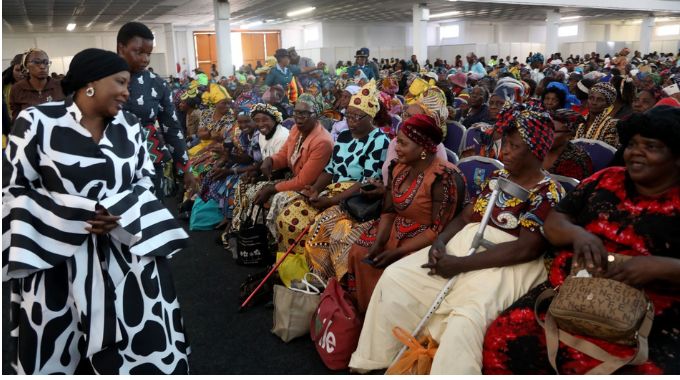
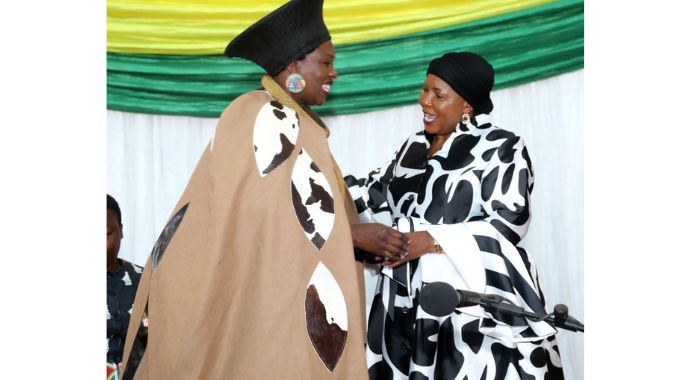
Clearly, the atmosphere at the Zimbabwe International Trade Fair grounds on Friday was unmistakable, as women from different communities gathered in colourful doeks and imvunulo (traditional Ndebele attire), turning the venue into a vibrant celebration of identity, heritage and womanhood.
The gathering marked another milestone in the nationwide programme, which seeks to promote Zimbabwe’s cultural identity while encouraging women to embrace values of dignity, respect and family responsibility. For many, including women from various churches, the doek and zambia (wrapping cloth) were more than pieces of cloth.
They represented a connection to the mothers and grandmothers who came before them, while also becoming a symbol of unity among women brought together by one national programme.
From the early hours, women from all walks of life streamed into the venue, many proudly wearing colourful doeks and adding to the striking spectacle.
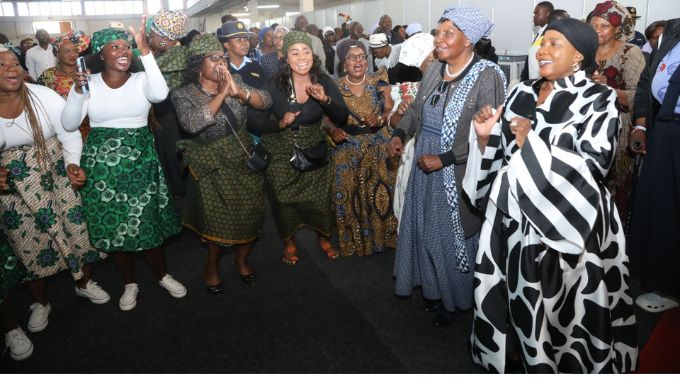
Such was the response that the main venue struggled to accommodate the crowds, with overflowing participants following proceedings from designated overflow sections. Dr Mnangagwa’s arrival was met with palpable excitement as women warmly welcomed her, with the gathering quickly taking on the character of a celebration rather than a conventional event.
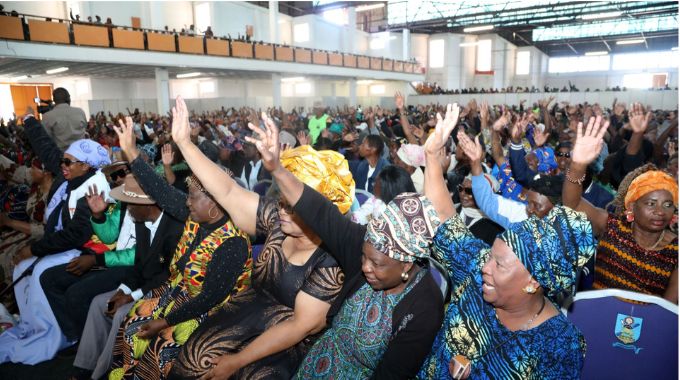
Among the key highlights of the day, the Doek Drive created a platform for women to contribute to discussions on the identity of a distinctive Zimbabwean doek style.
Participants exchanged views on designs and styles they believed could best capture a Zimbabwean woman, demonstrating that the initiative is not simply about wearing a headscarf, but about ownership of a cultural symbol.
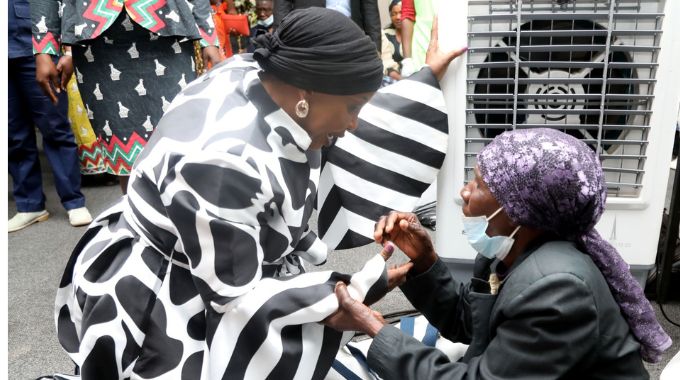
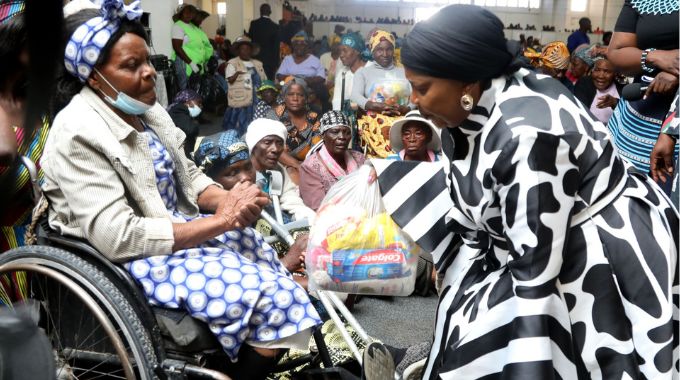
Mother Zimbabwe also personally distributed doeks, zambias and innerwear including petticoats, assisting elderly women to wear their doeks as she moved among participants, a gesture that drew emotional responses and underscored the respect accorded to older generations.
The elderly and persons with disabilities were also given food hampers, while, as a gesture of love and care, mealie meal and several tonnes of rice were provided to ensure everyone went home with something. The First Lady also took time to sit with beneficiaries, exchange greetings and share warm moments.
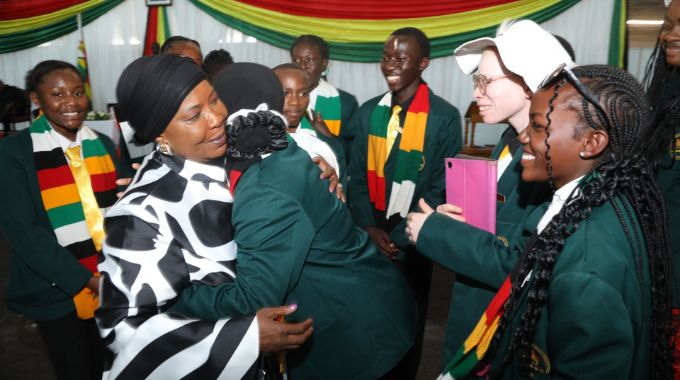
The intergenerational character of the programme was further demonstrated by Junior Parliamentarians who assisted the First Lady to distribute food hampers, turning the exercise into a practical learning experience in service, compassion and responsibility.
Expectant mothers also received baby preparation kits from Dr Mnangagwa, bringing relief and excitement as they prepared to welcome their babies.
The day’s programme also featured sport and recreation, with elderly women taking part in a spirited tug-of-war competition under the guidance of officials from the Ministry of Sport,
Recreation, Arts and Culture.
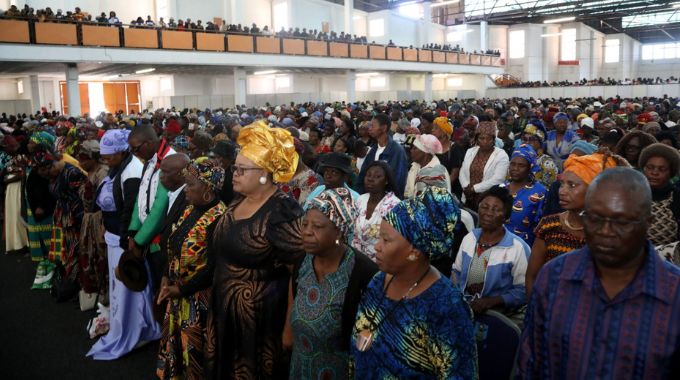
Before her address, the First Lady called on the gathering to observe a minute of silence in memory of the victims of the Kariba boat tragedy. The solemn moment brought the huge crowd together in remembrance of those who lost their lives in the disaster.
Dr Mnangagwa said the Doek Drive was aimed at restoring traditions rooted in dignity and respect.
“The zambia and doek represent modesty, respect, motherhood and the sacred dignity of a woman and the honour and dignity of womanhood,” she said.
“To a stranger, the zambia and doek may look like simple pieces of cloth. But to us, as Zimbabweans, they carry the very heartbeat of our cultural identity.”
Dr Mnangagwa said historically, when a woman entered her home, attended a family gathering or stood before her elders, wrapping herself in the zambia signified her readiness to serve, honour and uphold the dignity and integrity of her household.
“Today’s drive is a movement to reclaim our heritage. We are living in a fast-changing world where modern influences often push us to abandon our roots. But I say to you today, a tree without roots cannot stand.
“We must preserve our traditions, customs and cultural dress. We must pass them down with pride to our daughters and granddaughters so that they never lose their way in an ever-globalising world,” she said.
The First Lady said preserving culture should begin within families, with parents, particularly mothers, taking the lead in passing Zimbabwe’s traditions and values to younger generations while restoring respect for elders.
“We must preserve our traditions, customs and cultural dress. We must pass them down with pride to our daughters and granddaughters so that they never lose their way in an ever-globalising world.
“Preserving our culture also means restoring absolute respect for our elders,” she said.
Turning to young people, Dr Mnangagwa urged them to respect their parents, heed the guidance of elders and make responsible choices that protect their future.
“In traditional Zimbabwean society, an elder was a repository of wisdom, guidance and blessing. Today, it pains my heart to see a growing disregard for our parents, grandparents and community elders. We must return to our foundational values, where the young honour the old, where respect is not an option but a way of life,” she said.
Dr Mnangagwa said cultural preservation must be accompanied by strong moral values, particularly among young people, whom she urged to resist influences that could undermine their dignity and future.
“To our young girls, my daughters, I plead with you to value yourselves. Chastity, self-respect and patience before marriage are not outdated concepts; they are shields that protect your future, your dignity and your health. Society may tell you that shortcuts bring success, or that modern freedom means discarding moral boundaries, but that is a deception. True empowerment comes from self-worth, hard work, education and moral integrity,” she said.
Dr Mnangagwa added: “Stand firm, protect your bodies and do not allow peer pressure or temporary pleasures to rob you of your destiny.”
Turning to boys, Dr Mnangagwa raised concern over the practice of wearing four pairs of shorts at once, warning that such behaviour could promote indiscipline and, if left unchecked, contribute to criminal tendencies. The First Lady urged men and women to reflect on the example they were setting for their children, stressing that parents had a central role in shaping the values of the next generation.
She encouraged couples to strengthen their marriages through love, respect, understanding and open communication, while resolving challenges peacefully and seeking guidance from trusted family elders and traditional structures such as aunts and uncles.
Dr Mnangagwa urged parents to lead by example, saying children were more likely to embrace positive values when they saw them being practised at home.
With a motherly appeal, she called on families to strengthen their homes, protect and guide their children, and uphold traditions that promote dignity, respect, love and unity.
Dr Mnangagwa encouraged women to rediscover their confidence, dignity and sense of responsibility, saying mothers played a critical role in building strong families and communities.
She urged women to guard against promiscuity, alcohol abuse, idleness, envy and jealousy, which she said undermined their dignity and hindered national progress.
The First Lady encouraged women to remain active in their homes and communities, work together, participate in community programmes and share knowledge and experiences. She also urged mothers to prioritise personal hygiene, appropriate dressing and the example they set for their children.
Popular evangelist Nelly Gwatidzo used the occasion to implore women to recognise their worth and protect their dignity, saying mothers had a critical responsibility to shape children who respect themselves, their families and society.
Rev Gwatidzo urged women to preserve their dignity by dressing modestly, keeping their bodies properly covered and maintaining cleanliness, stressing that the doek should remain an important part of a Zimbabwean woman’s identity.
She said women should wear their doeks confidently at funerals, weddings, parties and other gatherings, noting that the garment symbolised respect, dignity and cultural identity regardless of its style.
Rev Gwatidzo also encouraged women to maintain personal hygiene and work with their hands, warning against idleness, which she said could breed jealousy and resentment. She challenged women to uphold their values even in church and other public spaces, saying their conduct and appearance should reflect the dignity expected of Zimbabwean women.
Elderly women from the province took turns teaching younger generations how traditional values and practices were used in the past to raise well-groomed, disciplined and respectful children.
They emphasised the importance of parents passing Zimbabwean cultural values to their children, while encouraging women to dress modestly, uphold traditional Ndebele attire such as the doek and zambia, and maintain dignity across different settings.
Zimbabwe Republic Police Bulawayo spokesperson Inspector Nomalanga Msebele also encouraged responsible behaviour and urged communities to protect families and promote safe environments.
Bulawayo Metropolitan province Minister of State for Provincial Affairs and Devolution Judith Ncube said the province fully supported the initiative and would continue backing efforts to preserve Zimbabwean culture and traditional values.
Minister Ncube said the First Lady’s presence in Bulawayo demonstrated her unwavering love for the people of Zimbabwe and commitment to ensuring that every community, regardless of location, was touched by hope and opportunity.
“Through your visionary and transformative initiatives, you continue to uplift, unite and empower communities across the country. You have brought joy to countless hearts and sparked enthusiasm to revive our rich cultural heritage.
“The doek is much more than a cloth. It is a crown of dignity, a symbol of respect, strength and cultural identity for African women. For generations, the doek has represented the resilience, wisdom and nurturing spirit of Zimbabwean women,” she said.
“As mothers, wives, caregivers and community leaders, we embody our rich heritage. We gather not just to wear a doek, but to celebrate womanhood, affirm our values and recommit ourselves to preserving the traditions that define us as a people.”
A beneficiary, Gogo Phildah Hlebo, said the sight of women in doeks had stirred powerful memories of her younger years, praising the First Lady for using the programme to reconnect communities with their heritage while promoting dignity and values among women and girls.
“I am overwhelmed with joy. We were taught about doeks and how to groom our children well. This is how we used to dress.” she said.
She said the programme had shown that traditions from previous generations could still have a place in contemporary society.
Gogo Sibongile Sibanda, a church member, said the gathering had created a meaningful platform for women from different generations to interact and share experiences. She said the programme had also provided an opportunity for younger women to learn from the experiences of older generations and appreciate the customs that shaped their upbringing.
“It is encouraging to see so many women coming together like this. We have been reminded of where we come from and the kind of values that should guide us. Our children need to see and understand these things so they can carry them forward.”
Gogo Florence Masuku said the initiative had brought encouragement to women while giving them an opportunity to reflect on the standards expected in society.
“These programmes are very good, and they are truly a blessing to us. We are happy whenever she comes to help us. We know that she cares about us, and we pray that she continues in this way. We are grateful for teaching us how to dress.”
She said the teachings would help women maintain standards of dignity and ensure that cultural practices were not forgotten.
Gogo Jane Luhanga said the gathering had encouraged women to appreciate the traditions they inherited from their parents and grandparents.
“This has reminded us that our heritage is something we should be proud of. We have a responsibility to teach our children the values we inherited so that they do not grow up disconnected from their roots.”
She said the programme had also strengthened interaction among women and created a sense of shared purpose.
Gogo Dent Dasilva welcomed the initiative, saying it had provided women with an opportunity to reflect on their responsibilities within families and communities.
With Bulawayo now covered, nine provinces have hosted the Doek Drive, leaving Mashonaland West as the only province yet to receive the initiative. The consistently high turnouts recorded across the provinces point to the growing national appeal of the programme, which has brought women together around a shared appreciation of Zimbabwean identity, while strengthening conversations on family, dignity and culture.