Amos Mpofu and Taygeta Larsyn Zihwi
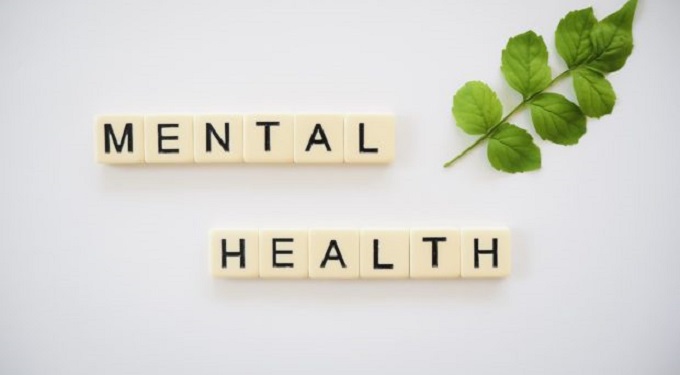
BULAWAYO is witnessing a worrying rise in the number of people showing signs of mental disturbance. From city streets to neighbourhoods, more individuals can be seen struggling with disorganised thoughts, unpredictable behaviour, and visible distress.
Mental health challenges and weird behaviours are not new, but the current surge has raised concerns about what is driving this trend and what can be done.
One of the clearest factors is drug abuse. Substances such as crystal meth, marijuana, and alcohol are increasingly being misused by young people and adults alike. For many, drugs have become an escape from unemployment, poverty, and daily frustrations.
Yet, the same substances worsen mental health, leading to paranoia, aggression, depression, and in some cases, long-term psychosis. Alarmingly, this is no longer just a youth problem; some adults and even parents are also using drugs, further destabilising families and eroding the support systems that children desperately need.
Parenting styles are another piece of the puzzle. Many young people in Bulawayo are growing up under uninvolved or neglectful parenting, where parents whether due to their own struggles, migration, or substance use are emotionally absent. Without guidance and boundaries, children are more likely to experiment with harmful substances or fail to build resilience when faced with life’s challenges. In the long run, this neglect can contribute to the cycle of mental illness and substance dependency.
Beyond the family, larger social and economic issues fuel the problem. High unemployment, limited opportunities, and a sense of hopelessness leave many feeling excluded from society.
The weakening of traditional community bonds also means fewer people have a reliable support system when mental health problems begin. Instead of finding understanding and help, many face stigma, which delays treatment and worsens their condition.
From a psychological perspective, the increase in mentally disturbed individuals is a warning sign that Bulawayo must act urgently. Solutions must go beyond medical treatment. Families need education on positive parenting and the dangers of drug abuse.
Communities must strengthen youth programmes, create safe spaces, and rebuild support networks. Authorities, on the other hand, need to make rehabilitation services accessible while also addressing the easy availability of harmful substances.
The rise of mental illness in Bulawayo is not simply about drugs or personal choices, it is about a society under pressure. Without collective action, more families will break down, more young people will turn to substances, and more lives will be lost to preventable mental health struggles.
In an interview with Chronicle, Director of Clinical Services at Ingutsheni Central Hospital, Dr Wellington Ranga said there is growing concern over the increasing number of individuals exhibiting unusual behaviours which are not medically classified as mental illness but rather as influenced or substance-induced actions.
“I can’t confirm a rise in the number of mentally ill individuals in Bulawayo,” said Dr Ranga.
“However, the community’s observation of more people displaying strange behaviour is irrefutable. It is difficult to pinpoint specific causes for these manifestations, but what we are witnessing are behaviours that, although not clinically considered mental illness, are clearly visible in our society,” he said.
Dr Ranga stressed the importance of counselling and rehabilitation for those affected. He highlighted that some individuals may benefit from being removed from environments that contribute to such behaviours, particularly those linked to drug abuse and other addictions.
“There is a need to sit down with these individuals and offer them proper counselling,” he said.
“In some cases, rehabilitation is necessary to distance them from the influences that push them towards these behaviours, which often lead to them being wrongly labelled as mentally ill,” he said.