

 shloboe boe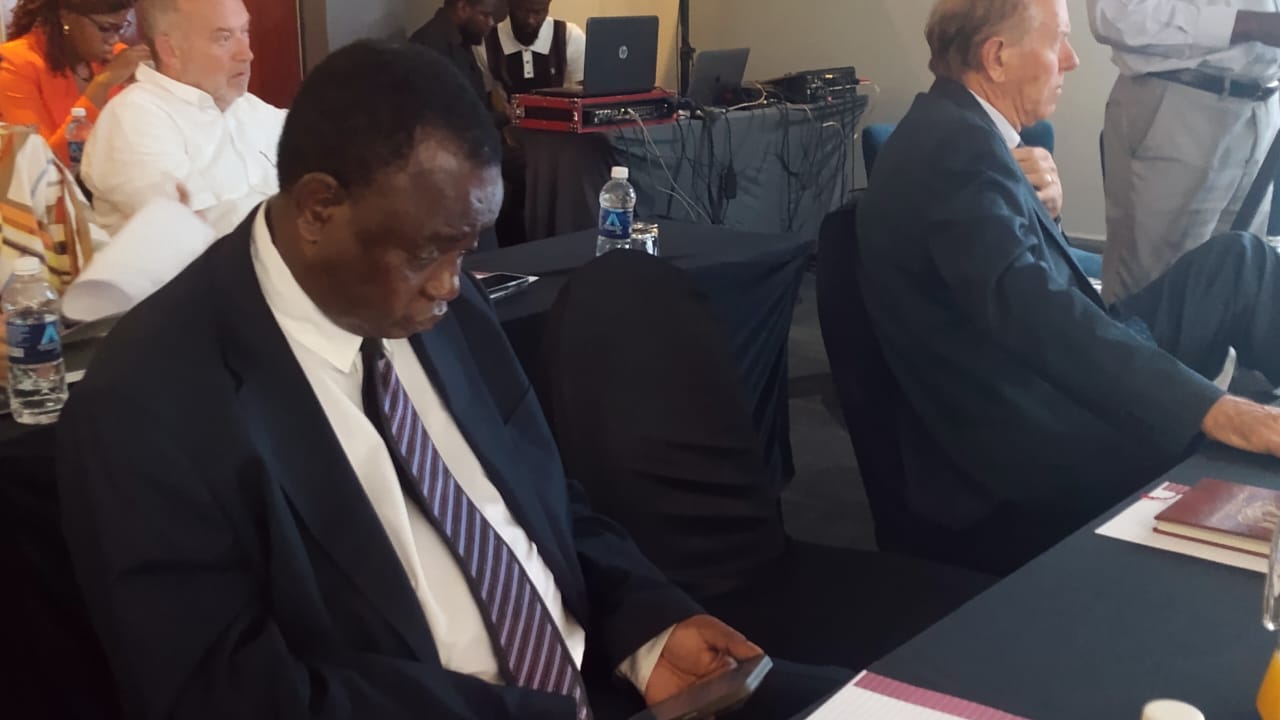
Sikhumbuzo Moyo
THE Bulawayo City Council (BCC) is today (Wednesday) hosting a Trade Effluent and Water Recycling Indaba at a local hotel, bringing together key stakeholders to deliberate on trade effluent management, sustainable water use and innovative recycling solutions.
The indaba seeks to strengthen Bulawayo’s water security and enhance environmental protection efforts amid growing concerns over water scarcity and pollution.
In his welcome remarks, the City’s Town Clerk, Mr Christopher Dube, said the municipality has intensified efforts to address worsening water and wastewater challenges by convening a high-level workshop under the Water Operators Partnership Programme (WOP).
“The programme, which has been running since 2020, is currently in its second phase covering the 2022–2026 period. The initiative is being implemented in partnership with technical experts and development partners to strengthen water and sanitation systems,” said Mr Dube.
He said the programme focuses on water management, energy efficiency, financial sustainability, improved business systems, institutional strengthening and sustainable infrastructure development.
Mr Dube said the initiative aligns with National Development Strategy 2, particularly under the pillar relating to food security, climate resilience and environmental protection. He added that it also supports global commitments under the Sustainable Development Goals on responsible consumption and production.
The Town Clerk highlighted that industrial trade effluent remains a major contributor to water pollution in the city, increasing wastewater treatment costs, damaging infrastructure and posing health risks to communities.
“Reducing harmful industrial discharges into municipal sewer systems and natural water bodies is central to building a climate-resilient city,” said Mr Dube.
He said the workshop aims to strengthen institutional monitoring and enforcement capacity, promote innovation and circular economy practices, improve industry compliance, and enhance dialogue between regulators, industry and public health stakeholders. It is also expected to generate policy recommendations and practical compliance measures.
“Improved management of industrial effluent would help lower municipal treatment costs and protect water resources for future generations. This Indaba has drawn participation from local investors, industry leaders, policymakers and development partners who are expected to contribute proposals to improve waste water treatment processes and overall water quality management,” said Mr Dube.
The workshop is running under the theme: “Innovation for Responsible Industry, Cleaner Environment and Water Security in Zimbabwe.”


 Online Reporter
 derick.khumalo