Mkhululi Ncube and Andile Tshuma, Chronicle Reporters
SOUTHERN African countries have been challenged to strengthen regional cooperation and establish social protection financing as they seek sustainable systems capable of protecting vulnerable communities amid mounting economic and climate-related pressures.
The call places social protection mainstreaming at the centre of regional development efforts, with countries urged to align financing, policies and interventions to improve coverage, strengthen resilience and ensure vulnerable populations are not left behind.
The issue took centre stage during the Social Protection Week hosted between Thursday and Friday by the Ministry of Public Service, Labour and Social Welfare in conjunction with the Southern
African Social Protection Experts Network in Bulawayo.
The two-day conference was held under the theme: “Reimagining Social Protection Financing: Emerging Challenges, Fiscal Constraints, Shifting Trends, and Strategic Opportunities.”
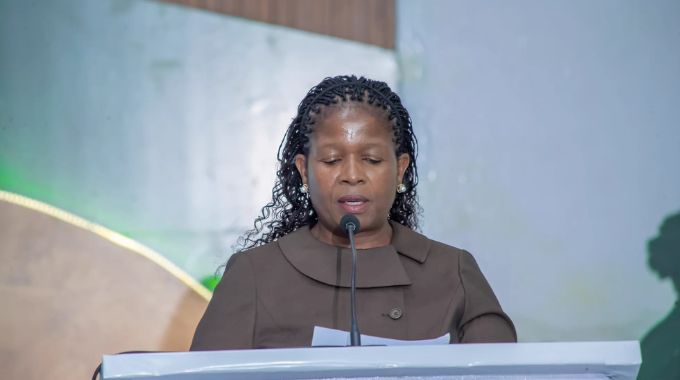
Deputy Minister of Public Service, Labour and Social Welfare, Advocate Mercy Dinha, told delegates that governments across the Southern African Development Community (SADC) region should move beyond traditional financing approaches and develop inclusive, resilient and sustainable systems responsive to changing population needs.
Adv Dinha said persistent poverty, unemployment, inequality, food insecurity, rising living costs and climate-related disasters were placing increasing pressure on households, while governments faced competing expenditure priorities, debt-servicing obligations and constrained domestic revenues.
“These realities compel us to ask a fundamental question: How do we build and finance social protection systems that are sufficiently inclusive to leave no one behind, sufficiently resilient to withstand economic and environmental shocks, and sufficiently sustainable to protect present and future generations?” she said.
Adv Dinha said social protection should be treated not merely as Government expenditure or assistance for people living in poverty, but as a strategic investment in human development, economic stability and national progress.
Well-financed programmes, she said, could help children access adequate nutrition and education, enable young people to pursue economic opportunities, support persons with disabilities and ensure older people live with dignity.
Adv Dinha said economic growth could not be considered meaningful if substantial sections of society remained excluded from its benefits or vulnerable households were repeatedly pushed into poverty by illness, unemployment or disasters.
She called for diversified financing arrangements backed by prudent public expenditure, transparent resource management and partnerships involving governments, the private sector, development partners, civil society, faith-based organisations, academia and local communities.
“Our challenge is not simply to find more money for social protection. It is to build a financing architecture that converts available resources into reliable protection, measurable improvements in human wellbeing and lasting development outcomes,” she said.
The Bulawayo meeting also highlighted the need to mainstream social protection into disaster risk management and humanitarian assistance as Southern Africa faces recurring droughts, floods and cyclones.
As such, Adv Dinha noted that climate-related emergencies often increased demand for assistance when governments revenues were already under pressure, making responsive systems essential.
“We must, therefore, invest in shock-responsive social protection systems that can expand coverage, adjust benefits or activate complementary assistance when emergencies occur,” she said.
Turning to Zimbabwe, she said reforms in social protection financing should support the country’s Vision 2030 aspirations, poverty reduction objectives, human capital development and inclusive economic growth.
The implementation of Zimbabwe’s Social Protection Policy, she added, presented an opportunity to strengthen coordination among interventions and establish more effective financing arrangements that deliver measurable benefits to individuals and households.
At regional level, Adv Dinha identified SADC as a critical platform for exchanging knowledge and developing approaches suited to shared challenges, including informal employment, climate vulnerability, fiscal constraints and gaps in social security coverage.
She said fiscal constraints and uncertain external financing should encourage innovation, improved financial management and stronger national ownership rather than weaken governments’ commitment to vulnerable populations.
The conference was attended by representatives from South Africa, Mozambique, Malawi, Zambia, Angola and Ethiopia, providing a regional platform for countries to exchange experiences and explore approaches to strengthening social protection financing.