Rutendo Nyeve
THE Zimbabwe Parks and Wildlife Management Authority (ZimParks) has intensified monitoring of water-dependent animals to mitigate human-wildlife conflict ahead of an El Niño-induced drought expected to increase interactions between humans and wildlife as both search for food and water.
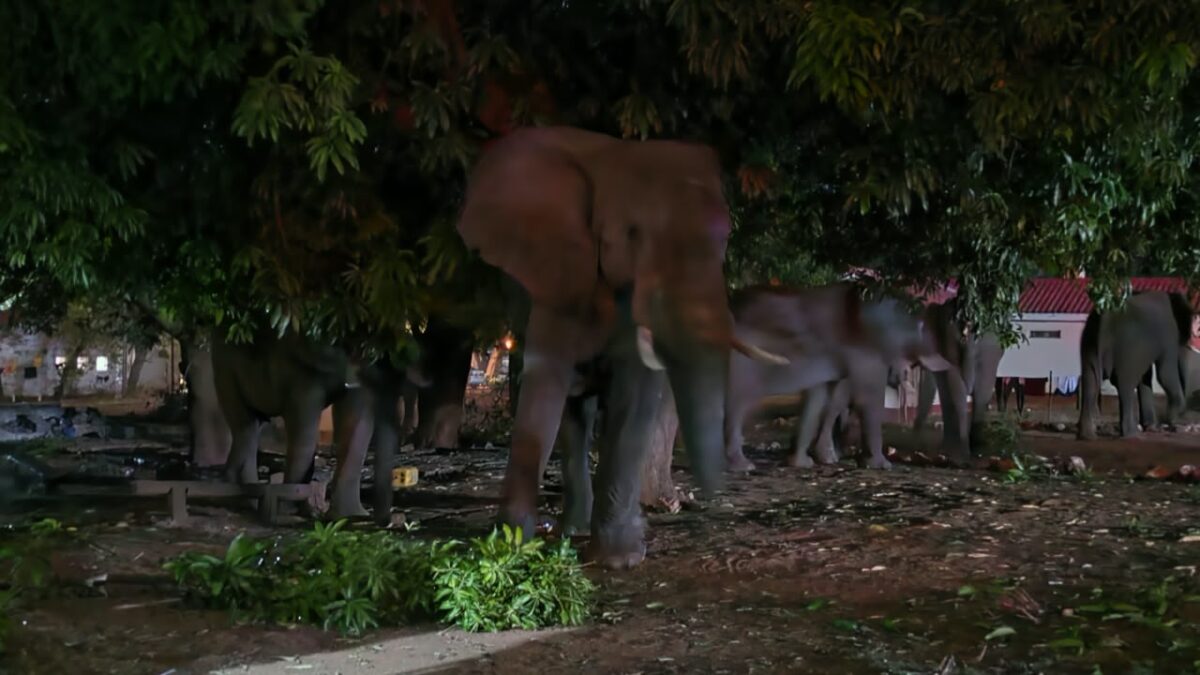
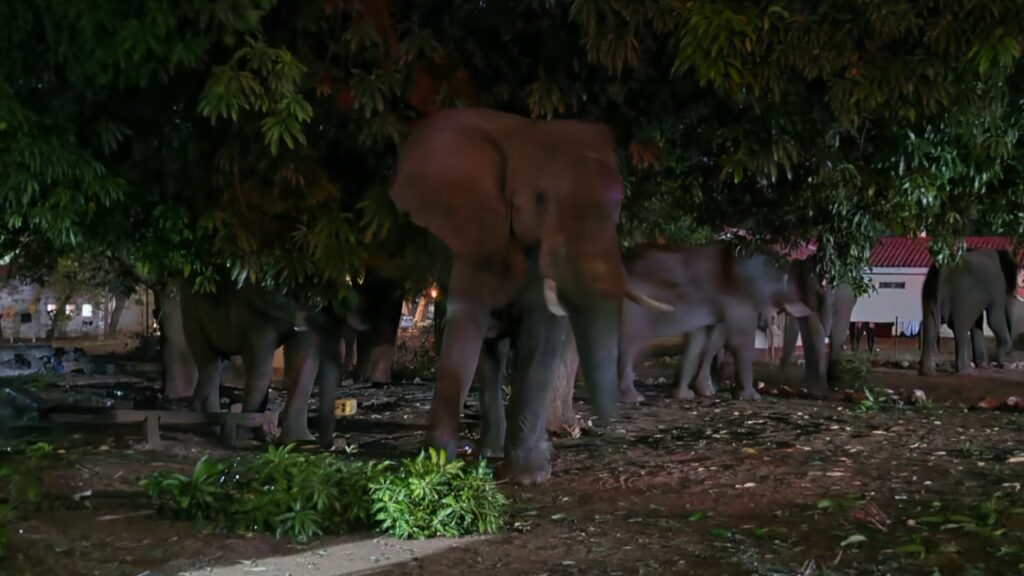
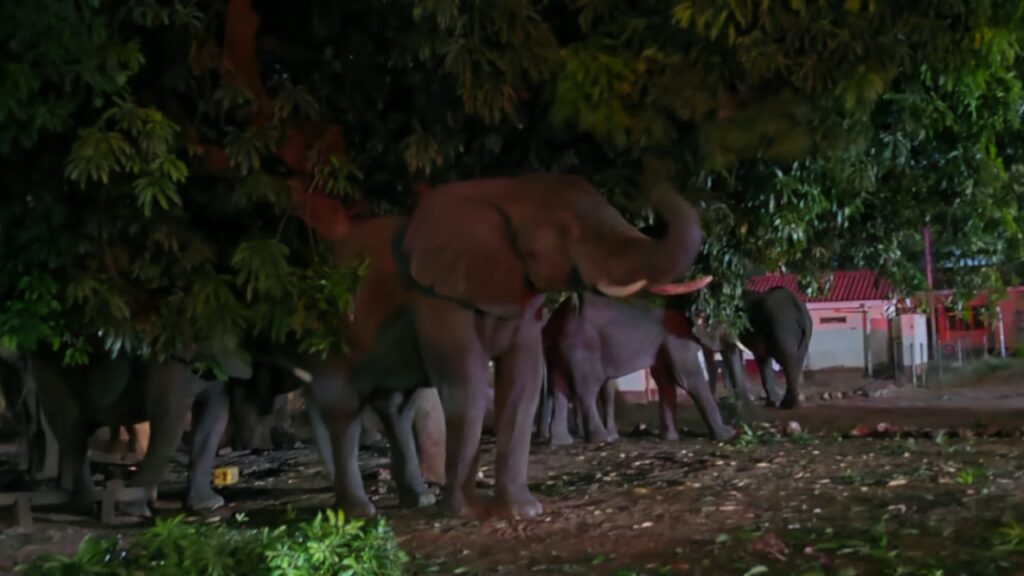
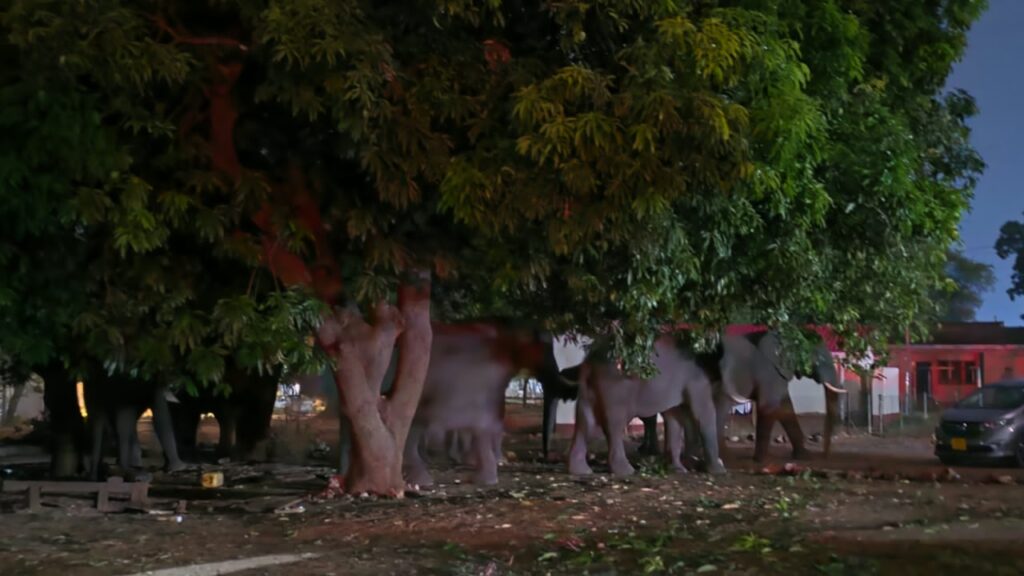
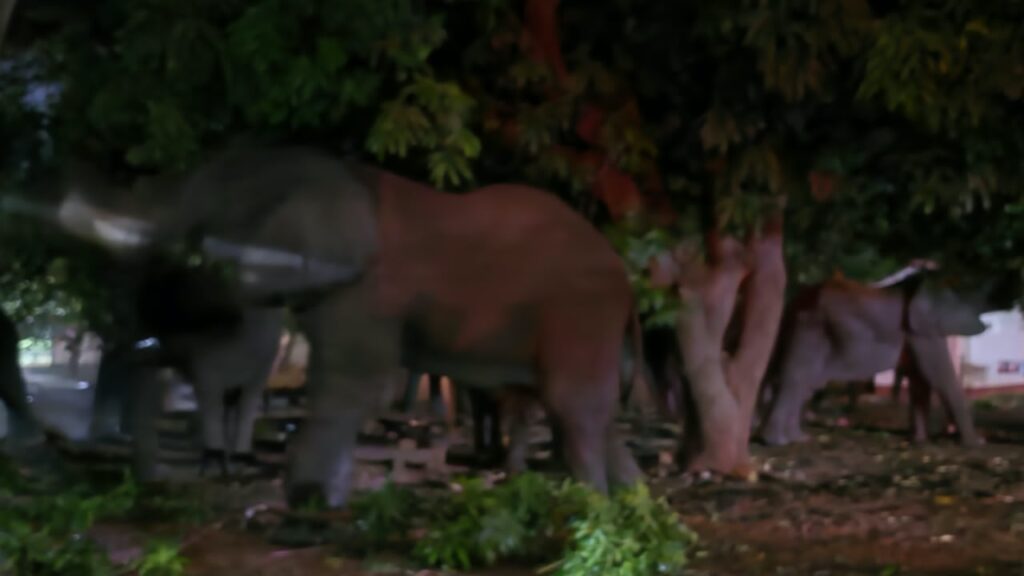
In Victoria Falls, there has already been a notable increase in wildlife, particularly elephants, buffaloes and hippos venturing into the central business district and residential areas in search of food and water.
ZimParks spokesperson Mr Luckmore Safuli said the authority was closely tracking species with high water requirements.
“ZimParks is monitoring water-dependent species which have high water requirements, such as elephants and buffalo, which occur in large herds. Elephants will undoubtedly be a priority species because of their high water requirements (100–300 litres per day in the peak dry season), they are mostly involved in conflict with people, and they are also a species that attracts great international public attention,” he said.
Mr Safuli outlined the strategies being employed.
“The strategies include monitoring movements of collared animals in herds to check their movements and water resource sites’ utilisation, monitoring wildlife use of water holes, and annually we conduct dry season water hole counts of wildlife in big national parks like Hwange and
Mana Pools (with citizen participation), which assist us in keeping track of how many and which species utilise water holes,” he said.
He added that aquatic species were also under close watch.
“Species such as hippopotamus, crocodiles, and fish habitats are also closely monitored, particularly those in inland aquatic habitats, which could dry up. Although these species have the ability to migrate to areas with water, sometimes this may be difficult due to distances, and emergency management interventions such as capture will need to be activated,” said Mr Safuli.
The authority is also monitoring endangered bird species dependent on wetlands, with key sites including the Driefontein Grasslands in Gutu, Chirumanzu and Chikomba districts, as well as Hwange, Nkayi and Lupane districts.
Mr Safuli said ZimParks would also monitor and enforce against livestock encroachment into park estates to reduce wildlife-livestock conflicts.
The proactive measures come as authorities brace for a tough dry season that threatens to heighten competition for scarce resources between animals and communities.