Online Reporter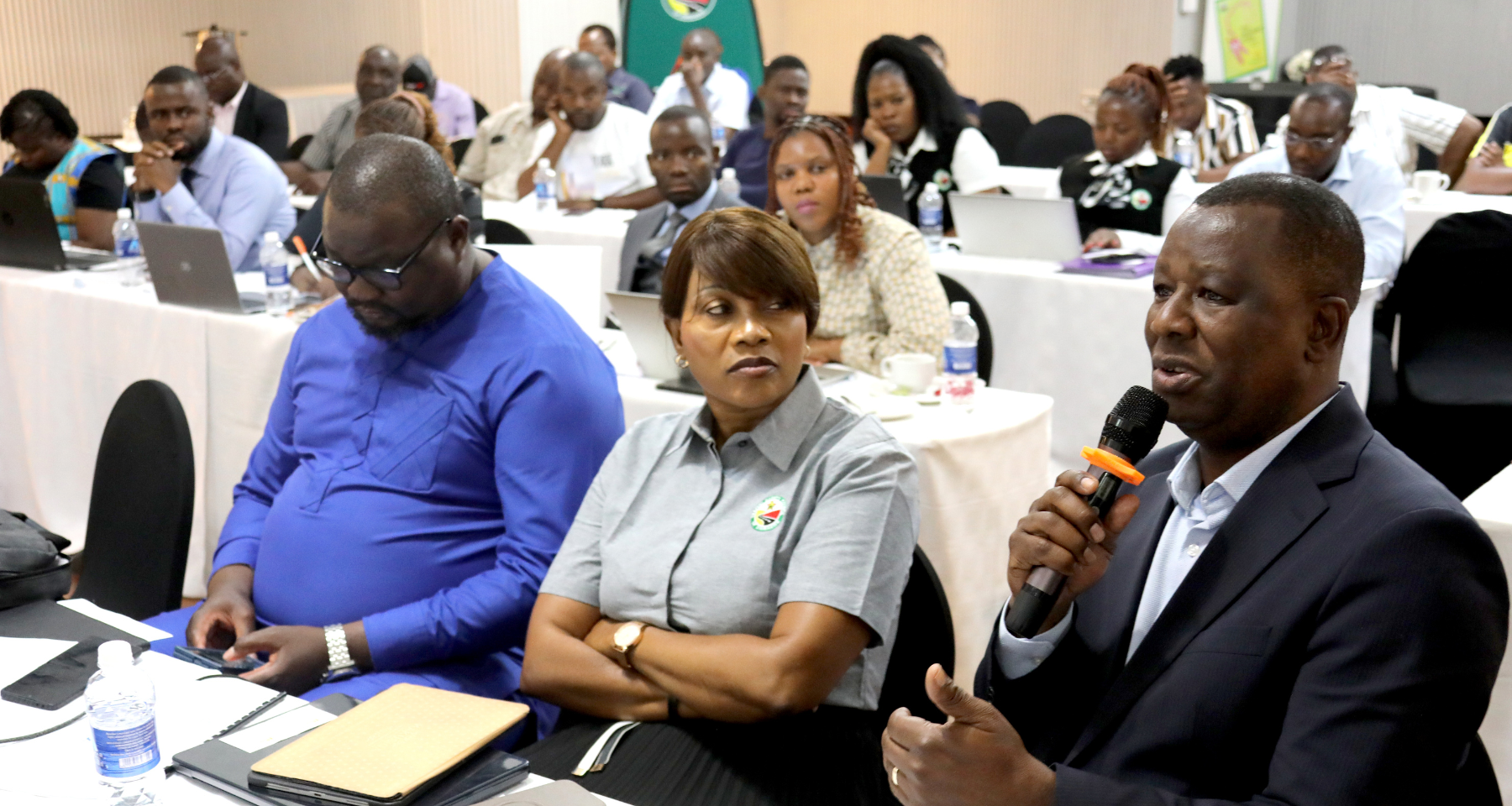
Tanaka Nkala, Zimpapers Reporter
The Road Accident Fund (RAF) Bill, which seeks to establish a Fund meant to compensate victims of road accidents across the country has been welcomed by members of the public and key stakeholders, who converged in Bulawayo during a public consultation meeting.
During engagements, participants raised concerns about the compensation gaps for all victims and urged the Government to put in place measures that prioritise the protection and compensation of all victims.
Representing the Permanent Secretary for Transport and Infrastructure Development, Traffic Safety Council of Zimbabwe (TSCZ) managing director, Mr Munesu Munodawafa, outlined the critical need for the fund, given the prevailing inadequacies in providing timely assistance to victims.
“The alarming statistics show that Zimbabwe experiences a road traffic crash every 15 minutes, resulting in over 35 000 accidents annually,” said Mr Munodawafa.
He said the Bill further demonstrates the commitment of the Government to an international best practice approach of engagement.
“Let’s learn from experiences of sister states, who did things differently but are now transforming their funds,” said Mr Munodawafa.
Other stakeholders raised major concerns over who is covered in the Bill and whether or not the fund will be able to cover all accidents victims.
Mr Bhekinkosi Ndlovu from the City of Bulawayo Fire and Emergency Services said he looks forward to the new Bill but his main concern is on the number of emergency services within the country.
“My question is; has the law taken into account the need to have well equipped ambulance services in the country,” said Mr Ndlovu.
Another resident, Mr Nqobile Moyo, raised concerns on whether or not the Government will be able to handle the amount of pressure that this Bill brings.
“How do you plan to contain the high volumes of claims given that Zimbabwe has got a very high accidents rate? ” he said.
“The proposal aligns with the global initiative of the United Nations Decade of Action for Road Safety, which aims to halve road traffic injuries by 2030.”
Others raised issues regarding treatment and compensation of those involved in accidents.
The gathering acknowledged the Bill’s positive intent but emphasised that the country should come up with its own Fund instead of simply copying the South African model.
“We must ensure that our approach is tailored to our unique context and needs,” said Mr Anglistone Sibanda from the Africa Markets Forum.
Responding to the questions, Advocate Kingston Magaya, highlighted that some issues being raised will be revised by the Health Department and they will make sure that all proposals are submitted to the Government.
“We will collect all the views to close the gaps but some issues are operational aspects pertaining to mainly the medical review committee and the board will have a meeting, which will come up with how the Fund will compensate victims,” said Advocate Magaya.
As the consultations progress, the Ministry of Transport and Infrastructure Development is optimistic that the collective insights will lead to successful establishment of the Fund.