Online Reporter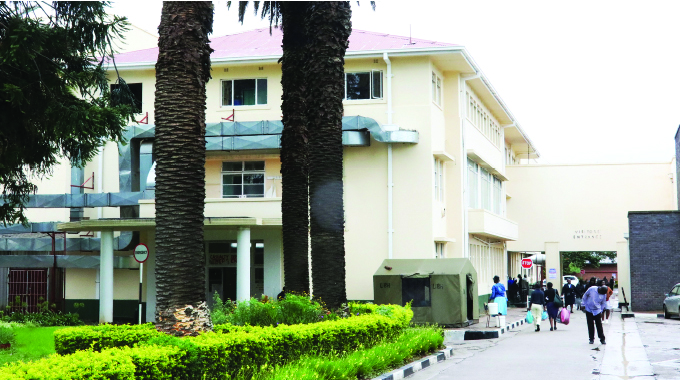
Robin Muchetu, Senior Reporter
BULAWAYO Province continues to flourish under the Second Republic with significant investments in education, health, industry and key infrastructure.
These developments have transformed the city, making it increasingly attractive to residents and investors alike.
To date, a total of 230 projects have been undertaken with 163 completed and 67 currently in progress.
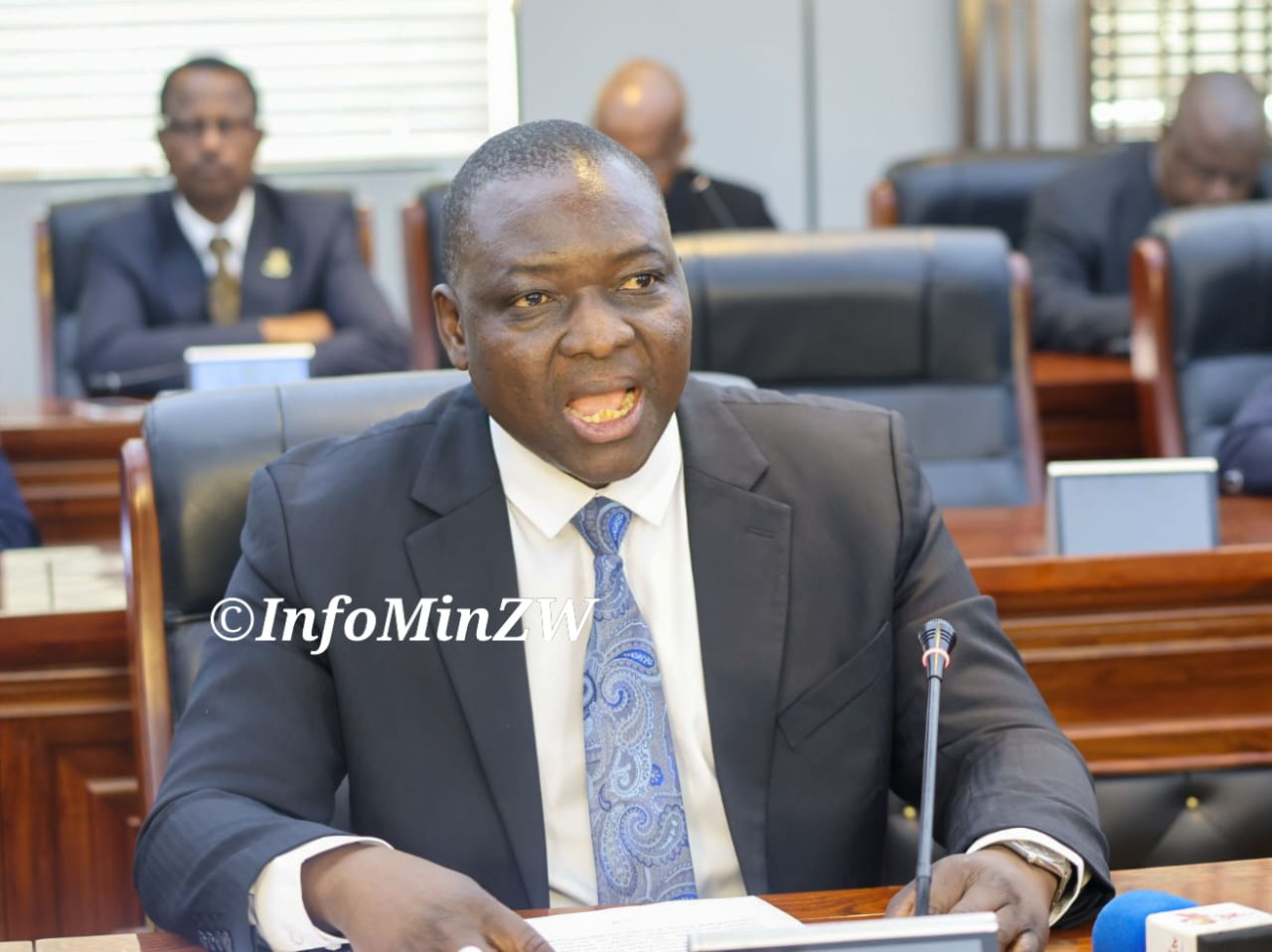
Acting Secretary for Provincial Affairs and Devolution for Bulawayo Metropolitan Province, Mr Simon Sawunyama provided a detailed update on the projects, highlighting their impact on the community.
In the education sector, substantial efforts have been made to enhance infrastructure, ensuring that learners have access to safe environments and essential services.
“We have constructed more than 70 classrooms and laboratories across 10 schools in collaboration with the Church of Latter-Day Saints, which has significantly reduced overcrowding in our schools,” said Mr Sawunyama.
Schools that benefitted from the upgrades include Mncumbatha Secondary in Nkulumane 12, Cowdray Park Primary and Secondary and Vulindlela Primary School. The construction of Vulindlela Primary School, funded through devolution funds has alleviated congestion at nearby schools and reduced pupil’s travel distances from up to five kilometres to a more manageable route.
In the health sector, Bulawayo has seen numerous improvements across its major institutions, enhancing the quality of care for residents.
Mr Sawunyama noted that the laboratory at United Bulawayo Hospitals (UBH) is 99 percent complete with outstanding work including the installation of fire emergency systems, security measures and air conditioning.
Once operational, the state-of-the-art laboratory will serve multiple departments including hematology, biochemistry and microbiology thereby addressing the current strain on UBH’s smaller facility.
Additionally, UBH is also building a 2,5 mega-litre water tank to enhance its water supply from boreholes, alleviating potential water challenges.
Nearby, Cure Children’s Hospital is expanding its services including constructing a warehouse and workshop as part of a Public-Private Partnership with the Government of Zimbabwe. This expansion, which began in June 2024 and is projected to be complete next month, aims to provide free orthopaedic services to children under 18.
In terms of infrastructure, Mpilo Central Hospital has completed a new incinerator building, with a 250kg/hour incinerator plant expected to follow shortly.
The US$700 000 project, which began in March 2023, is nearing completion, with electrical wiring in progress.
Mater Dei Hospital is also undergoing significant developments, featuring an integrated care unit with eight blocks, a wellness centre and a dialysis unit with progress reported at over 65 percent.
Added to that, Thorngrove Infectious Disease Hospital is undergoing kitchen and laundry renovations, which are currently 60 percent complete and awaiting further funding.
To address housing shortages, the Bulawayo City Council has serviced 650 stands in the Mahatshula East suburb, with 155 already commissioned.
In Luveve North, the servicing of 453 stands has been completed with 41 stands already operational.
Historically an industrial hub, Bulawayo is working to reclaim its former economic status with projects like the Profeeds Project, which has been constructed at an estimated cost of US$8 million.
“This fully automated facility, established in 2023, features significant investments in equipment, including two 3 000-ton silos and two 1000-ton silos for maize and soya and is set to be commissioned this month,” noted Mr Sawunyama.
Edgars has also forged partnerships with ZimTrade, securing a contract to supply Botswana’s mining sector with work suits, although capacity utilization remains below 40 percent due to low demand for new clothing.
Road rehabilitation efforts across Bulawayo have seen over US$2 million invested, significantly improving the condition of roads such as Leeds, Waverly, George Silundika and Woodville, facilitating better human and vehicular traffic flow.
Going forward, Mr Sawunyama said there were medium-term solutions to augment the city’s water supply, including the Glass Block Dam project valued at US$100 million.
This project is designed as a Built, Own, Operate and Transfer (BOOT) initiative with feasibility studies completed and consultations with stakeholders set to commence in this year. Once completed, it is expected to provide the city with 25 million cubic litres of water annually.
The Government has invested approximately US$300 000 in the Mzingwane Booster Pump Station Rehabilitation, which is currently 80 percent complete. Major works are also ongoing at the Inyankuni Booster Pump Station with US$270 000 invested to date, bringing progress to 75 percent.
Mr Sawunyama said the cumulative efforts of the Government and local authorities reflect a strong commitment to revitalising Bulawayo and enhancing the quality of life for its residents.