Online Reporter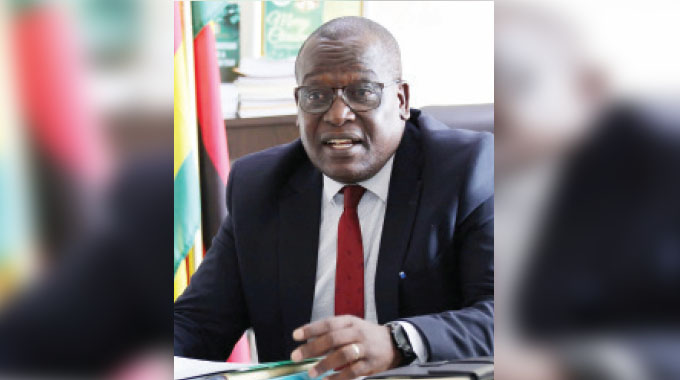
Vusumuzi Dube, Deputy Radar Editor
BULAWAYO is set to train more than 400 individuals in specialised counselling and intervention skills to address the growing drug and substance abuse scourge in the metropolitan province.
In a recent interview, Permanent Secretary for Provincial Affairs and Devolution in Bulawayo, Mr Paul Nyoni, outlined the province’s multi-pronged strategy.
The Government has classified drug and substance abuse as a “national disaster,” citing its destructive impact on society, particularly among young people. In June 2021, President Mnangagwa declared war on drug dealers and established an inter-ministerial task force to tackle drugs and substance abuse.
The Government is rolling out outpatient psycho-social support centres to provide screening, counselling, and awareness services to people affected by drugs, including their families.
These services aim to ensure the successful reintegration of former drug users into society.
Each of Zimbabwe’s 10 provinces has been tasked with developing its own intervention measures.
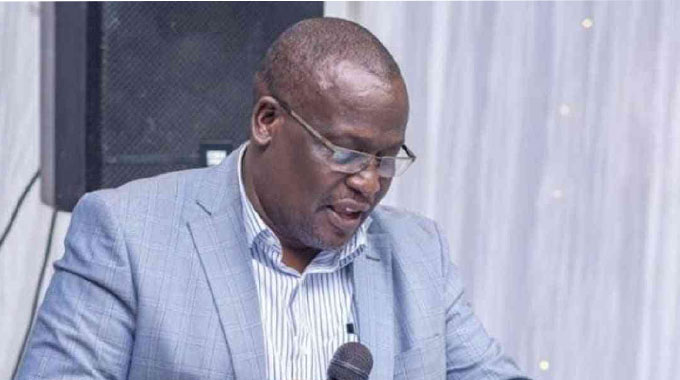
As part of Bulawayo’s response, Mr Nyoni said the province has developed a specialised training facility that targets the foundation of society, including church leadership, parents, and teachers, to identify suspected drug and substance abuse cases early.
“One of the things that we did as part of our fundraising effort was to seek training from the experts. So far, Bulawayo Polytechnic and Zimbabwe Open University have designed specific design courses, we are going to do a launch early in January, a course that will try and train each one of them,” he said.
The first cohort of 20 candidates will be trained early this month, focusing on counselling skills specifically related to drug and substance abuse cases.
The initial target group includes religious organisations, given that pastors, elders and deacons are often the first to notice behavioural changes in individuals.
“Our strategy is to say, the moment the parents see something and talk to the pastor and the pastor sees this person, we begin our intervention. We will be training, our target is to train in excess of between 300 and 400 people in this area, using well-trained people who are training others at a degree level,” said Mr Nyoni.
He said training will also extend to police officers, health workers and teachers, all considered key players in the province’s early warning system against drug abuse.
“Let’s not forget that they are not necessarily trained in drug counselling, they intervene in their specialised areas, but they are our first line of defence,” said Mr Nyoni.
“As a metropolitan area, Bulawayo faces pronounced challenges related to affordability and communication systems, which contribute to the high prevalence of drug and substance abuse.”
Mr Nyoni highlighted ongoing efforts, including the designation of a specific ward for drug and substance abuse treatment at Ingutsheni Central Hospital.
“Some refurbishments are required, yes, but thousands of people are treated there. Many as outpatients, but some as admitted patients to deal with those things. However, the main challenge we are faced with is in maintaining long-term recovery,” he said.
Medical people calculate that it takes three to four months for a person who has been cleaned out to return indicating a cycle of relapse that the province is working hard to break.”
To strengthen early intervention, the province is refurbishing the Emakhandeni drop-in centre and collaborating closely with churches.
“We are also working with the churches, and I will expand on that, to say it’s better to raise the alarm early, and hopefully people can be treated as outpatients, they can be checked out, they don’t get to where they are admitted in hospital,” said Mr Nyoni.
He also described ongoing efforts to reduce drug supply, citing recent arrests and convictions that demonstrate the province’s commitment to tackling the issue from multiple angles.
“We are trying to take away the fear from neighbours, when you know something is happening at a certain house, we are trying to use these counsellors that we will deploy, to assist in this,” said Mr Nyoni.
The comprehensive approach aims not only to assist those affected but also to prevent new cases through continuous awareness campaigns and timely intervention.
“With these systems, we hope to intervene, assist those that are affected and also try and prevent others from getting into it, which is why we continue to have these awareness interventions,” said Mr Nyoni.


 derick.khumalo