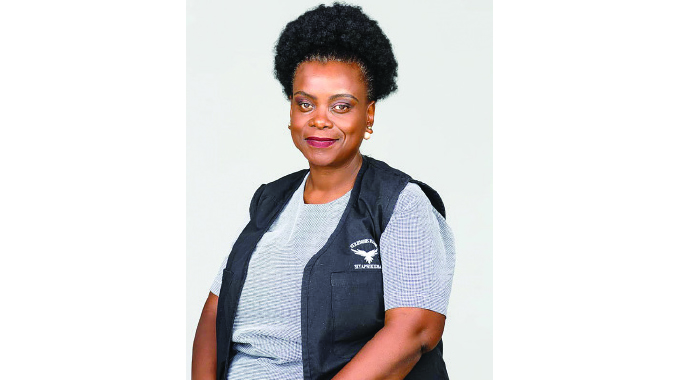
Sifiso Ndlovu Agbetorwoka
IN goat farming, a breeding buck is an important investment. However, when a buck shows little interest in does or appears unwilling to mate, farmers should resist the temptation to immediately declare him infertile.
There are several possible explanations, ranging from poor nutrition and ill health to stress, heat, reproductive problems or simply being outside the natural breeding season. The secret is to investigate systematically before making costly decisions.
Start with the buck’s general health
A good breeding buck should be active, alert and in reasonable body condition. He should neither be excessively fat nor too thin. A body condition score of approximately 3–3,5 out of 5 is a useful target at the beginning of the breeding season.
Check whether he is eating normally, losing weight, walking comfortably and showing signs of illness. Examine his feet for overgrown hooves or injuries and watch for lameness. Parasites, anaemia, pain and poor nutrition can all affect breeding performance.
A buck that struggles to walk or mount a doe may appear uninterested in mating when the real problem is physical discomfort.
Examine the reproductive organs
The testicles should be reasonably similar in size, firm but not hard, and free from obvious swelling, lumps or pain. The surrounding reproductive structures should also be checked for abnormalities or injuries.
Significant differences in testicle size, swelling, hardness or tenderness require veterinary attention. Problems affecting the testicles can reduce sperm production and fertility.
Farmers should avoid attempting to diagnose or treat reproductive conditions with medication without professional guidance.
Consider the breeding season and stress
Goats vary in their breeding patterns depending on breed, location and climatic conditions. Some bucks display stronger sexual activity during particular seasons.
Newly purchased bucks also need time to adjust to their surroundings. Transport, unfamiliar pens, different feeds, new herd mates and changes in management can cause stress and temporarily affect their behaviour.
Ideally, introduce a new buck to the farm at least a month before the planned breeding period. This allows time for quarantine, health checks and adaptation before he is expected to work.
Nutrition matters
A breeding buck requires adequate energy, protein, minerals, vitamins, good-quality forage and clean water. His body condition should be monitored throughout the breeding season because repeated mating can place considerable demands on him.
Do not assume that giving a sluggish buck more concentrate will automatically improve his performance. An overweight buck may have reduced breeding ability, while an underfed buck may lack stamina and have compromised reproductive function.
The objective is a healthy, fit buck, not a fat one.
Is he actually mating? Use a marking harness
One of the most useful tools for investigating a suspected non-breeder is a buck marking harness fitted with a suitable crayon.
When the buck mounts a doe, the crayon leaves a coloured mark on her rump. This provides evidence of mounting activity and helps farmers identify does that may be returning to heat. Different colours can be used in successive periods, for example:
Days 1–21: Red
Days 22–42: Blue
Days 43–63: Green
Repeated markings in a later period may indicate that a doe has returned to heat, although markings alone cannot confirm whether she conceived or why she failed to become pregnant.
Check the harness regularly to ensure it fits correctly and does not cause rubbing or become caught in fencing or vegetation. Follow the manufacturer’s instructions when selecting and changing crayons.
Farmers should also observe the buck’s behaviour. Sniffing, vocalising, licking a doe and showing interest are useful signs, but successful mounting and mating must be distinguished from interest alone.
Do not rush to give libido boosters
There is no single medicine that should automatically be given to every buck showing low sexual activity.
Investigate nutrition, body condition, parasites, lameness, disease, stress, heat exposure, reproductive health and breeding activity first.
Heat stress deserves particular attention. High body temperatures can affect sperm production, and because sperm development takes several weeks, the effects of significant heat stress or illness may persist even after conditions improve. Provide adequate shade, ventilation and clean water, especially during hot weather.
If the buck continues to show little or no interest in mating, consult a veterinarian for a Breeding Soundness Examination (BSE). Where available, semen testing can assess sperm movement, concentration and shape. This provides more reliable information about fertility than mounting behaviour alone.
Keep proper breeding records
Record the buck’s identification, the number of does joined, dates of joining, marking dates, repeat markings and eventual pregnancies or kidding.
These records help distinguish two very different problems: a buck that is not mating and a buck that is mating but whose does are not conceiving. The causes and solutions may be completely different.
Farmer’s takeaway nugget
Never condemn a breeding buck before investigating the evidence. Check his health, feet, nutrition and reproductive organs, allow him to settle, use a marking harness and keep accurate breeding records. If problems persist, seek a veterinary breeding soundness examination before deciding whether to retain or replace him.
A good breeding buck is an investment in the future of your herd. Diagnose the problem before writing him off.
Sifiso Ndlovu Agbetorwoka is a director — Bulembe Livestock Centre. She can be contacted on email: [email protected] or WhatsApp/Phone: +263 775 369 910.