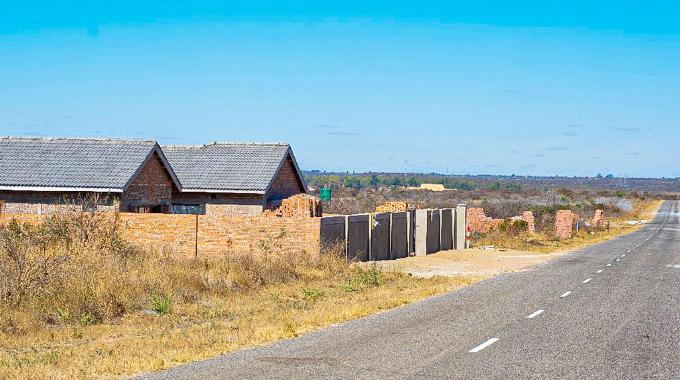
ONCE considered the preserve of the elite, gated communities are now transforming the residential fabric of Bulawayo, setting new benchmarks in security and lifestyle, all underpinned by the availability of title deeds. From Hopelyn Estate to Kings City, these developments are not only attracting attention but are also reshaping the city’s urban outlook.
In a marked departure from traditional housing preferences, homeowners and investors, both local and in the diaspora, are increasingly opting for lifestyle estates that offer more than just walls and roofs. These new developments now provide controlled access, modern amenities, and, crucially, legal tenure through registered title deeds, which have become a key selling point in a market still affected by past land scams.
“What attracted me to invest is the issuance of title deeds to home seekers,” said Ms Anna Rusambo, a diaspora investor. “In the past, scores of people have fallen victim to bogus real estate agents.”
“A property with a clean, registered title deed offers more than just peace of mind. It makes it easier to access mortgage financing, resell properties, or pass them on as inheritance,” she added.
The surge in demand is being driven by a growing middle and upper-middle class seeking order, privacy, and an aspirational lifestyle, traits that gated communities readily offer. These self-contained neighbourhoods provide a sanctuary from the challenges of urban sprawl and crime.
Radar Properties, the developer of Kings City, an upmarket residential area on the outskirts of Bulawayo, says the project has garnered significant interest from both local Zimbabweans and those in the diaspora.
Kings City stands out as a master-planned, self-sustaining community with a range of unique features. For instance, residential stands range from 600m² to 3 500m², catering to various preferences. It offers comprehensive amenities, and plans include private schools, hospitals, shopping centres, and light industrial spaces, ensuring residents have access to essential services within the estate.
“The project has been well accepted by Zimbabweans both at home and in the diaspora, resulting in an uptake of stands beyond expectations. The majority of the home seekers in the area are Zimbabweans based in the diaspora,” said Ms Sithabile Moyo, Sales and Marketing Officer.
Ms Moyo noted that buyers can secure stands with a 20 percent deposit and pay the balance over 18 months at zero interest, making property ownership more accessible.
“Clients can pay a 20 percent deposit and settle the remaining balance over 18 months without interest. For those preferring outright purchases, cash payments are accepted.
“While the development’s flexible payment options reduce the immediate need for bank financing, clients seeking to build homes may still opt for bank loans to fund construction,” said Ms Moyo, adding that the property developer has begun issuing title deeds to homeowners, providing security and peace of mind.
Bulawayo-based real estate developer, Mrs Samantha Banda, noted the changing face of property demand.
“In my practice, I am witnessing a lot of locals spearheading the developments as most people are downsizing from their mansions in favour of smaller units. The diaspora market is also a huge player as they continue to invest in lock-and-go homes in secure gated communities,” said Mrs Banda.
She noted that financing models vary with each development, where initially most projects were cash-based.
“However, financial institutions are now keen to bankroll such developments and offer loans,” she noted.
Units within Bulawayo’s premier gated communities are reportedly priced between US$70 000 and US$150 000, depending on location, size, and facilities. With some developments comprising over 100 units each, the cumulative value of completed and in-progress projects is projected to reach US$150 million within two years.
The shift has also led to new financing mechanisms. Off-plan sales and pre-sales agreements have become critical tools, with buyers paying 20 percent to 30 percent deposits and settling balances via phased payments or mortgage options as construction advances.
“Pre-sales have become a key financing pillar,” explained Mr Tafadzwa Munyoro, a local property developer. “We use those initial payments to fund bulk infrastructure like roads, water reticulation, and security systems. It reduces our reliance on costly bank loans and gives buyers a sense of ownership from the onset.”
He further noted the rising influence of diaspora capital.
“We have seen a rise in diaspora-led property investment groups financing entire blocks of cluster homes. These investors are attracted by high returns and the long-term demand for quality housing.”
Financial institutions, once hesitant, are now warming up to well-structured developments. Mortgage financing and developer-bank partnerships are beginning to feature in select projects, particularly where construction is advanced or complete.
What distinguishes these developments is the consistent focus on quality, Mr Munyoro adds. Developers are enforcing architectural standards and uniform building codes to preserve aesthetic value and functionality.
Homeowners must adhere to construction guidelines, while Homeowner Associations oversee ongoing maintenance, waste management, and landscaping.
“Sustainability is also high on the agenda, with several estates incorporating solar power systems, water harvesting technology, and smart home infrastructure, key to future-proofing value and reducing utility reliance.
“Bulawayo’s new gated communities are more than just real estate projects; they are a testament to the city’s evolving aspirations. As long as developers and stakeholders continue to prioritise excellence and sustainability, the future of gated living in Bulawayo looks exceptionally promising,” said Mr Munyoro.
The trend dovetails with Government policy interventions, most notably the Kwangu/Ngakwami Presidential Title Deeds Programme launched by President Mnangagwa in 2023, which aims to regularise housing ownership and provide legal documentation to thousands of previously unregistered homeowners. The move has not only improved buyer confidence but has been instrumental in protecting homeowners from the scourge of land barons and dubious agents.
“There is consensus that the Government has made several efforts to create a favourable environment for real estate investment,” Mr Munyoro noted. “Infrastructure development projects, roads, power grids, and water systems have played a pivotal role in unlocking new residential zones.”
Public-private partnerships (PPPs), monetary reforms, and macroeconomic stability have further bolstered confidence among both local and diaspora investors.
Another emerging trend is the rise of building cooperatives and housing trusts, particularly within medium-density estates. These models allow groups of aspiring homeowners to pool resources and construct in phases, often guided by professional trustees and project managers.
Beyond providing quality housing, the gated community boom is stimulating employment, driving infrastructure growth, and attracting investment into the local economy. As these meticulously planned developments flourish, they are not only redefining home ownership in Bulawayo but also raising the bar for residential projects across Zimbabwe. —Online