Online Reporter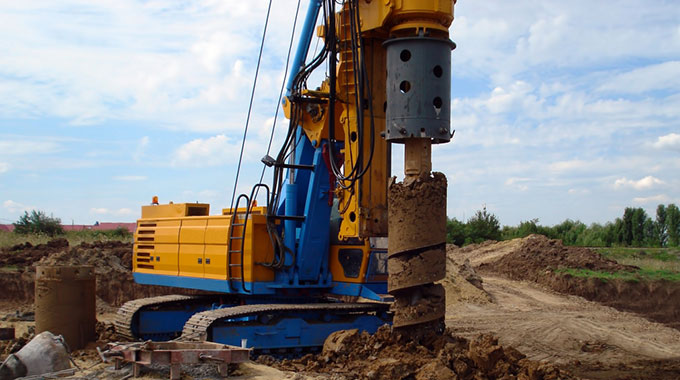
Raymond Jaravaza, Sunday News Reporter
BULILIMA villagers who are already facing water problems due to lack of reliable sources will soon have their challenges solved as the Presidential Borehole Drilling Scheme will be rolled out in their communities.
The villagers in the Mopane and Mbonqane areas rely on water from open pits left by illegal sand poachers as a majority of boreholes in their area are no longer functional.
Bulilima legislator Cde Dingumuzi Phuti, who is also Information Communication Technology, Postal and Courier Services Deputy Minister confirmed the water challenges but said the Government is engaged in a ward-to-ward borehole drilling programme that is spearheaded by President Mnangagwa.
“Under the leadership of President Mnangagwa, every ward will be a beneficiary of the Presidential Borehole Scheme that will cater for all villages in the country, including villagers of Bulilima District,” said Cde Phuti.
Village elders in Mopane who spoke to Sunday News said water is scarce in the area and they are forced to compete with livestock for the resource in rivers and streams. While other areas in the same district are still enjoying abundant water in dams and rivers, the situation is now dire for villagers like Mr Mabimbi Njeku and Mr Respect Sibanda who are now forced to fetch water from an open source.
The open water source is an unreclaimed pit that was left when the Solusi-Bulawayo Road was being rehabilitated some years ago. When Zimpapers visited the area on Friday, Mr Njeku and Mr Sibanda were busy filling two drums and several buckets with murky water in a donkey-drawn scotch cart.
“This huge pit has been left open like this for years and every rainy season it accumulates water that we use for household use.
The rainy season was good this year, but unfortunately, we don’t have a dam close to our villages and we have nowhere to turn to during the dry season,” said Mr Njeku.
While Mr Njeku was narrating the water challenges in Mopane Village and surrounding areas, a woman carrying a bucket arrived at the makeshift “dam” to fetch water. She identified herself as Mrs Sibonokuhle Moyo and said she lives a stone’s throw away from the temporary water source.
“This water is dirty, but we don’t have a choice. The nearby river is almost five kilometres away and it’s too far for some of us who are now old,” said Mrs Moyo.
Mr Sibanda said, for them, it’s a choice between no water at all or making do with the little precious liquid that they get.
“We used to get clean water from a neighbouring farmer who gave us two buckets each but he stopped giving us water early this year. He said he is also facing water challenges and cannot afford to give villagers and keep enough water for his livestock. We are now forced to fetch water here, which we boil before drinking or use for cooking,” said Mr Sibanda.
Bulilima Rural District Council chief executive officer Mr Billiat Mlauzi said they are aware that some parts of the district are facing serious water challenges.
However, Mr Mlauzi said the Bulilima RDC has a contingency plan to drill boreholes in affected areas, working in conjunction with non-governmental organisations.
“Bulilima RDC works closely with WASH (Water, Sanitation and Hygiene) Zimbabwe to address the water challenges in our district, especially is places where villagers are facing serious challenges.
“We identify places where villagers are facing serious challenges and a Bulilima RDC committee that was set up to solve those issues works with our partners,” said Mr Mlauzi.
He said Bulilima RDC had identified the areas most hit hard by the water crisis and earmarked for a borehole drilling exercise.
The pits left unreclaimed by the sand poachers are a cause for concern for the Environmental Management Agency (EMA).
EMA Matabeleland South regional manager Mr Decent Ndlovu said the agency is on top of the situation to bring perpetrators of environmental offences to book.



 Colletta Dube