Online Reporter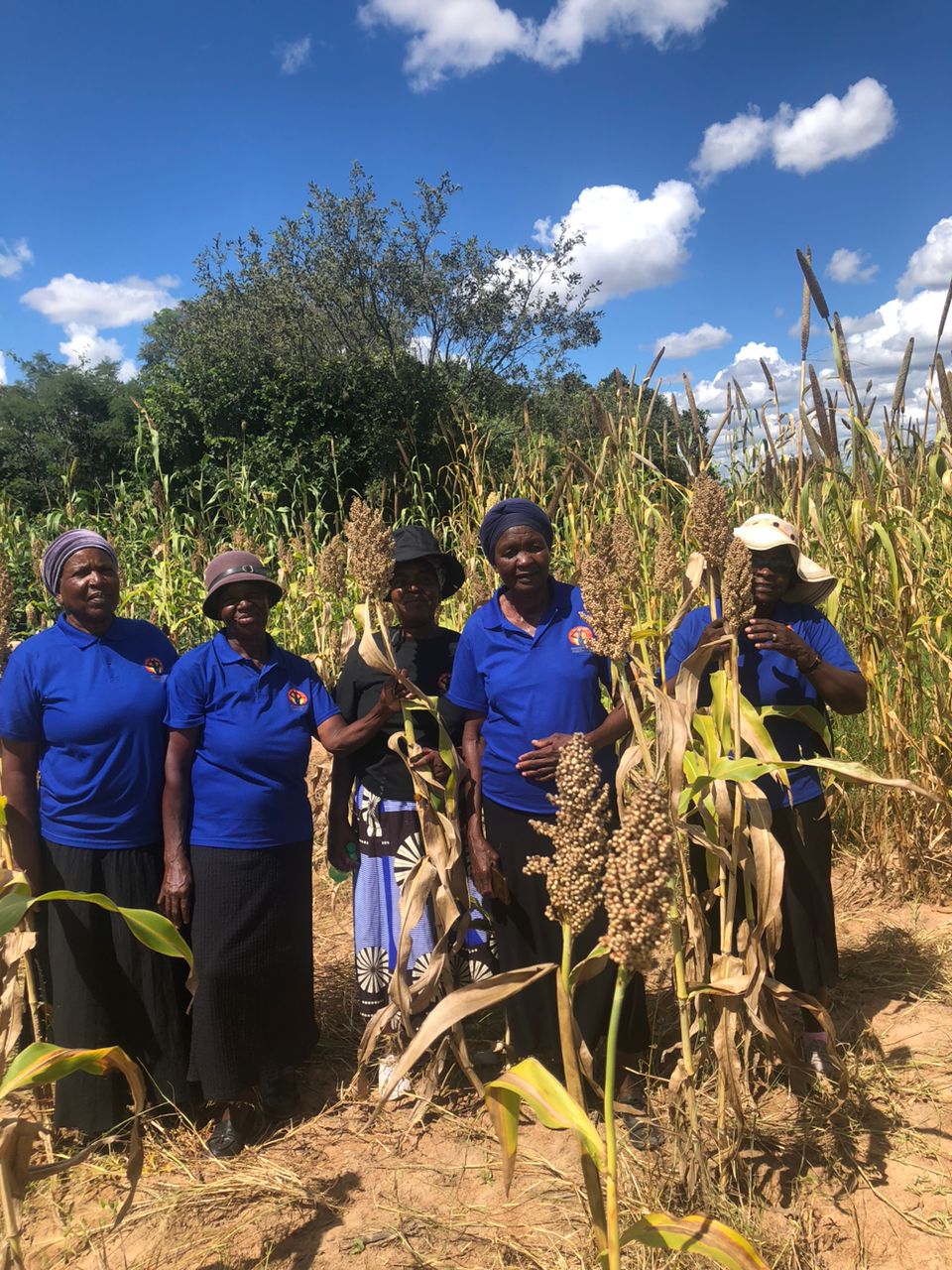
Nqobile Bhebhe [email protected]
Female farmers in Ward 4, Bulilima District have been urged to adopt small grain farming and wetlands conservation as key strategies to build resilience against recurring droughts in the area.
The call was made during a field day hosted by local farmer Ms Elizabeth Moyo with the event organised by Sisonke Working Together Trust of Bulawayo.
The field day, which attracted a large number of participants, was dominated by women, highlighting their critical role in ensuring household food security in rural communities.
Speaking during the recent event, Ms Moyo said she has successfully managed her wetland for the past three decades, enabling her to achieve higher crop yields despite changing weather patterns.
She encouraged fellow women farmers to adopt similar practices.
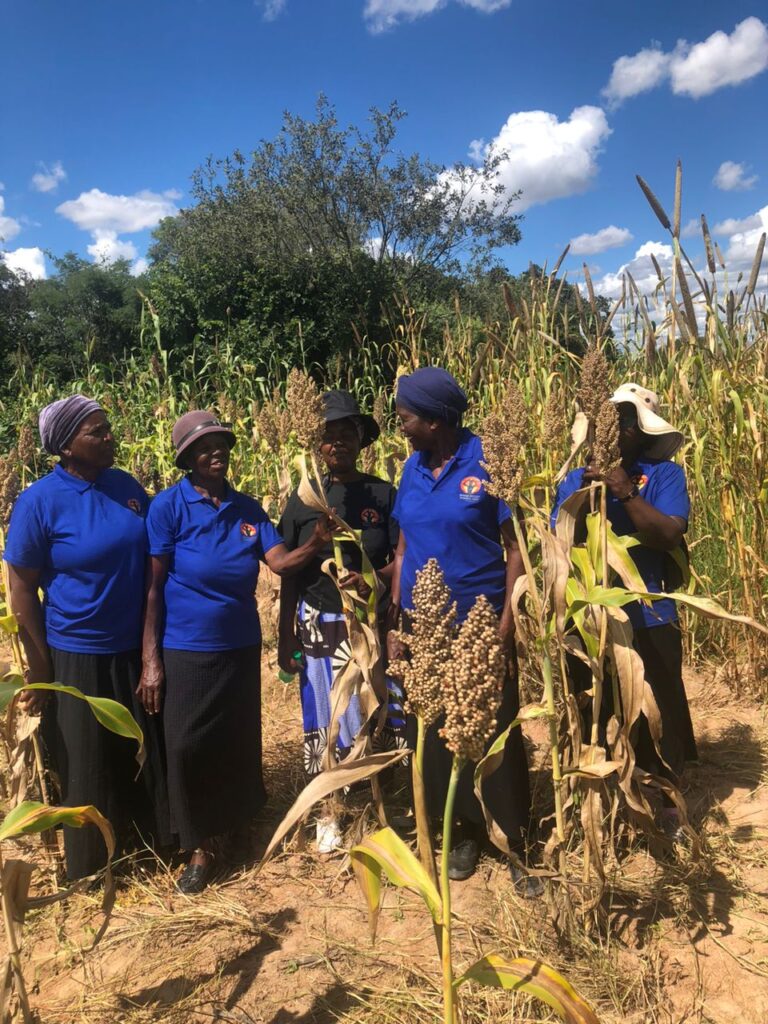
“Women are the backbone of rural agriculture, empowering them means securing a future of our food systems,” said Ms Moyo.
“Small grains are our shield against drought, growing them means that our livelihoods are secured,” she said, echoing sentiments shared by other farmers at the field day.
Ms Moyo also called on women to venture into small grains production and prioritise wetlands conservation to enhance productivity and sustainability.
Participants at the field day were taken through various climate-smart agriculture practices, with emphasis on early warning systems, early planting and the use of traditional grain seed sourced from rural seed banks.
Organisers said the initiative was aimed at strengthening community resilience in drought-prone areas through knowledge sharing and sustainable farming practices.
“The field day served as a platform for farmer-to-farmer extension learning approaches where farmers learn from each other, with experts observing. This alone strengthens collaboration between researchers, farmers, extension personnel and not-for-profit organisations,” said Sisonke Working Together Trust.
The organisation also educated farmers on the importance of wetlands conservation in enhancing water retention and maintaining ecosystem health.
“The event focused on promoting small grains and wetlands conservation as key strategies of building resilience in drought-prone areas. The majority of the participants who attended this field day were predominantly women, showing their key role in household food security,” said the organisers.
The field day underscored the growing importance of indigenous knowledge systems and sustainable land management practices in mitigating the effects of climate change, particularly in arid regions such as Bulilima.