dyton mupawaenda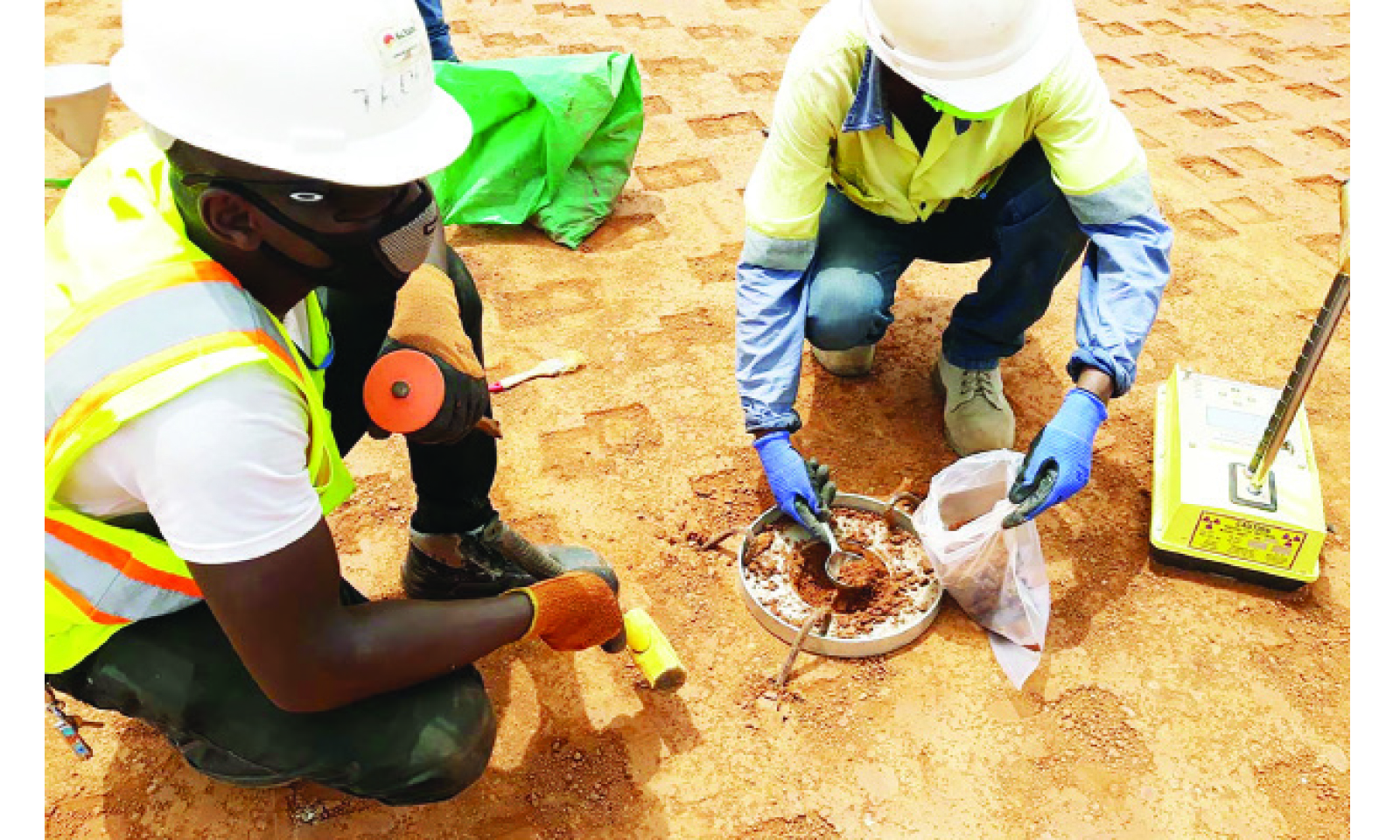
Obert Chifamba-Agri-Insight
TRADITIONALLY, most farmers would start preparing for a new season way past the halfway mark of the year when they would have sold their produce and pocketed their earnings.
It was at this point that most of them would become highly liquid and begin automating their budgeting processes.
Today, all this has changed alongside the fast-changing agricultural landscape in which farmers are no longer in the game just to fill their tummies and offload surplus into the market.
They are now business people who want to optimise on every opportunity that comes their way and in most cases they are not even waiting for such openings but creating them.
Growing up in the dusty communal lands of Mhondoro, I used to observe my parents holding their planning each time they were about to receive their cheques from marketed produce. Then, inputs were readily available at every corner you turned and retailers were not as greedy and would price their commodities fairly.
My parents and a group of other farmers would jointly secure inputs that would be delivered by trucks every September or early October latest.
Fast forward to a few decades later, the farmer-cum-businessperson starts the planning for the next season during the middle or towards the end of another.
Presently, the sudden turn of fortunes in which the dry spell that characterised the first half of the 2024/25 season transitioned into a decently wet period has turned a potentially woeful situation into a cauldron of expectations. Many farmers have already started making estimates of their harvests and the potential earnings.
Good times are indeed beckoning.
With the current season drawing towards the end and with a new season now silhouetted on the horizon, most business-minded farmers have already started thinking and actualising their preparations for the 2025/26 term. Without doubt, some bit of planning and effort now can ensure that the farmer and his farm are ready for whatever the next season brings.
Of course, most of them are currently seized with managing the current crops on the ground, which inevitably happen to be at various stages of growth depending on one’s geographical location and the time that they received meaningful rains.
Those with early planted crops that managed to survive the blistering heat or were under irrigation are already preparing for harvesting and marketing.
This is the point at which crucial decisions on next season’s activities must also be made so that the income generated from the sale of the crops can be deployed accordingly.
The planning should not only be concentrated on the budgeting aspect, but must take into account many factors without which a season is bound to struggle to succeed.
Guided by how the current crop has performed under the best management practices, the farmers need to evaluate the state of their soils and move to initiate the processes of addressing perceived shortcomings.
The health of the soil is critical to the success of any cropping activities.
This will require the farmer to confirm the soil’s pH levels, nutrient content, and organic matter to get a better understanding of the soil’s health, and make adjustments to improve its fertility.
This is the time to start all these crucial preparations and avoid waiting for the last minute rush that usually sees many people taking shortcuts or doing shoddy jobs.
Remember the soil must be adequately prepared for every fresh outing that the farmer undertakes if yields are to improve.
It is also at this point in time that the farmers should start planning their crop rotations.
Crop rotation is an important practice that helps maintain soil health and reduce the risk of pests and diseases. The planning process for a novel season should take into account such factors as the nutrient needs of the crops, pest and disease pressures, and soil health.
Successful rotations always involve crops of different classes so that pest or disease cycles can be broken to give the incoming crop a conducive growing environment.
The other strength of crop rotations is that they can increase soil water content, reduce water evaporation from the planting system, and reduce surface water runoff, thereby ensuring high crop water use efficiency.
This comes as a direct result of improved water retention, which helps improve soil structure thereby ensuring sufficient water sources for crops.
Because water is stored in crops or soil, the amount of ground water is also reduced, which greatly reduces the incidence and severity of flood disasters and enhances the climate resilience of the planting system.
In light of the extreme weather patterns that have come to be associated with most cropping season in recent times that have triggered substantial evaporation of soil water, hindering the process of precipitation, the practice of crop rotation has become very important.
Research has since demonstrated that by properly rotating crops, the resistance of agricultural planting systems to extreme weather can also be increased. Generally, crop rotation can maintain or even increase water storage capacity by improving the capacity of the soil to keep water.
The planning process must also take into account checking out the efficacy of implements so that repairs or replacements are done where it is deemed necessary.
In fact, before the start of every season, it is imperative for every farmer to take time to inspect and repair any equipment that may need it.
This includes checking out the condition of implements such as tractors, ploughs, planters, and irrigation systems.
By ensuring that the equipment is in good working condition, the farmer can avoid costly breakdowns and delays during the growing season.
This will also allow the farmer to meet set deadlines for various production activities.
It is sometimes costly for a farmer to miss important deadlines, as crops may also miss out on important growth requirements such as heat units that usually recede with the progression of a season.
Heat units, often measured as ‘growing degree days’ are vital for crops.
These indicate the cumulative amount of heat a plant has received during its growing season. This allows farmers to predict crucial development stages like flowering, fruiting, and maturity based on the specific heat requirements of each crop, thus optimising planting times, irrigation schedules, and harvest planning.
One of the most important aspects of preparing for a season is securing seed and other critical inputs such as fertilisers and chemicals for the control of either pests or diseases.
This begins with the farmer taking an inventory of his seed and supply needs for the new season and purchasing them in advance.
This will enable the farmer to avoid shortages or delays that may happen in the process of mobilising materials needed to start planting.
With agriculture fast establishing itself as the new kid on the block in business circles, it is vital for the farmer to have a solid financial plan in place.
He must review his budget and financial goals for the new season making adjustments where necessary. This will help him stay on track financially and ensure that he has the resources he needs to succeed.
It is therefore crucial for every farmer to remember that preparation is key, hence the need to take time to plan and make the necessary adjustments towards a bountiful harvest in future.



 Online Reporter