

 Online Reporter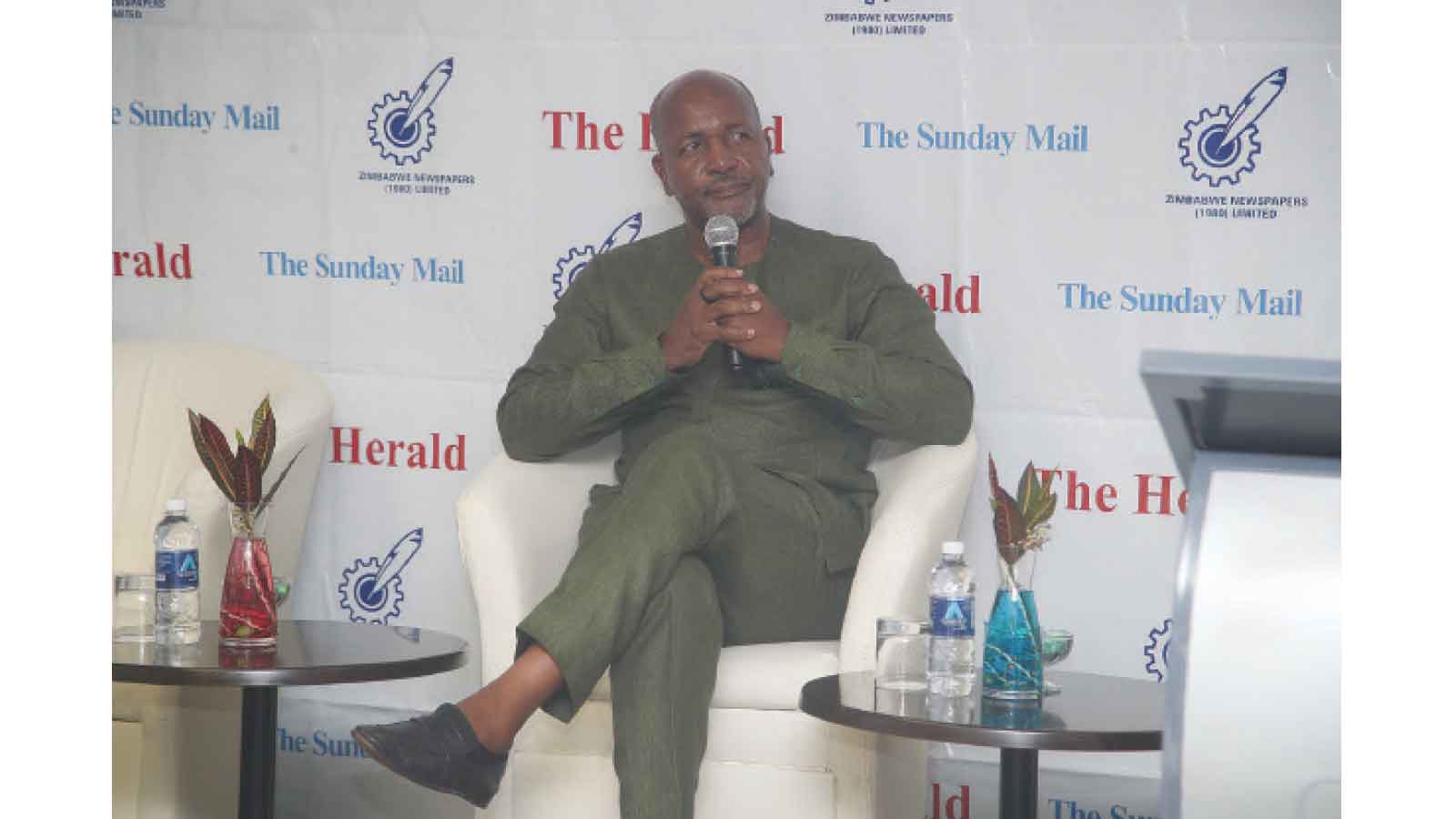
Business Reporter
ZIMBABWEAN entrepreneurs must shift from personality-driven enterprises to strong governance systems to build profitable and enduring businesses, Masawara Holdings group chief executive Singi Mutasa has said.
As one of Zimbabwe’s most successful businessmen, Mr Mutasa began his career in commodity trading. He subsequently acquired a strategic stake in TA Holdings Limited, a diversified conglomerate then listed on the Zimbabwe Stock Exchange. Under his vision, TA Holdings transformed into Masawara Plc.
His investment philosophy is rooted in an “operator-investor” model, meaning Masawara is significantly involved in the operations and strategic direction of all its investee companies. The group primarily operates in financial services, hospitality, agrochemical manufacturing, property and telecommunications.
Masawara has a strong portfolio focused on Southern Africa, particularly Zimbabwe and Botswana
As group CEO, Mr Mutasa spearheads the vision and strategic focus, leads capital allocation and pursues opportunities aligned with Masawara’s mission.
He currently serves on several boards across various sectors, promoting sustainable value creation, aggressive growth and the building of strong brands.
Speaking at the Zimpapers public lecture held yesterday in Harare, Mr Mutasa said governance must be the cornerstone of any serious enterprise, as it ensures continuity, accountability, and long-term growth.
“Every serious person must move beyond personality and build systems,” he said. “If the founder disappears, the business must function to survive.”
Mr Mutasa emphasised that governance is not merely a compliance exercise but a strategic tool that gives organizations a voice through collective decision-making. The Zimpapers Public Lecture series was held under the theme: “Beyond the Individual: From an economy of entrepreneurs to an economy of institutions.”
The event’s key sponsors included Old Mutual, Minerva Risk Solutions, and Zimnat.
Mr Mutasa noted that properly structured boards and management teams bring together “incredible minds” that help businesses stay focused and make sound decisions beyond the influence of a single individual.
He also cited poor record-keeping and weak control systems as major impediments to growth, particularly among small and medium-sized enterprises (SMEs).
“Without proper systems, it becomes impossible to measure performance or ensure sustainability. Every entrepreneur, no matter how small, must begin to decide on the core continuity of knowledge properly,” said Mr Mutasa.
He stressed that critical business assets — including skills, relationships, and processes — must be transferred from individuals into formal organisational structures.
This transition, he said, is what separates enduring institutions from fragile, personality-driven ventures.
“Skills, relationships, and processes must move from the head of the individual into the structure of the organization. These are the differences between creativity and lasting talent,” he said.
Mr Mutasa also highlighted the importance of aligning business governance with national development priorities, arguing that economic transformation cannot occur without close coordination between the private sector and political leadership.
“The reality is that this cannot be built without an extremely close alignment between business and the future of the country,” he said, adding that Zimbabwe possesses the necessary human capital and natural endowments to build strong institutions.
“We have everything we need… There is nothing that should prevent us from building institutions.”
Experts at the event highlighted that the absence of a deliberate growth strategy remains the single biggest barrier preventing entrepreneur-led firms from evolving. Mr Farai Mutambanengwe, founder and CEO of the SMEs Association of Zimbabwe, said during a panel discussion that many local enterprises are trapped at a “survival level” because they lack a long-term vision.
“A lot of businesses are set up for survival or as lifestyle ventures, but without a growth strategy to become national, regional, or even international players,” he said. “If you start small with no intention to grow, that becomes the ceiling of your business.”
Another panellist, ACR Solutions chairman and executive coach Mr Bothwell Nyajeka, reinforced the need for systems-led institutions.
“As an entrepreneur, you are driven by your own energy and ideas, but institutions are built to outlive individuals. That is why companies that have existed for decades focus on strong governance, quality products, and continuous reinvention,” he said.
Mr Batanai Mukonzo, head of SME Banking at CBZ Holdings, added that a key distinction between a small business and an institution lies in independence from the founder.
“If a business cannot function in your absence, then it is still a job, not an institution,” Mr Mukonzo said.
He highlighted that many SMEs struggle to access funding due to weak documentation and informal practices.
“Entrepreneurs often rely on handshake deals with no records. When they approach banks, there is no evidence to support their story.”
He concluded that a defined market strategy, a strong value proposition, and formal governance structures, such as advisory boards, are essential for businesses to become bankable and scalable.
The event was proudly sponsored by Old Mutual Zimbabwe, Minerva and Zimnat.



