Online Reporter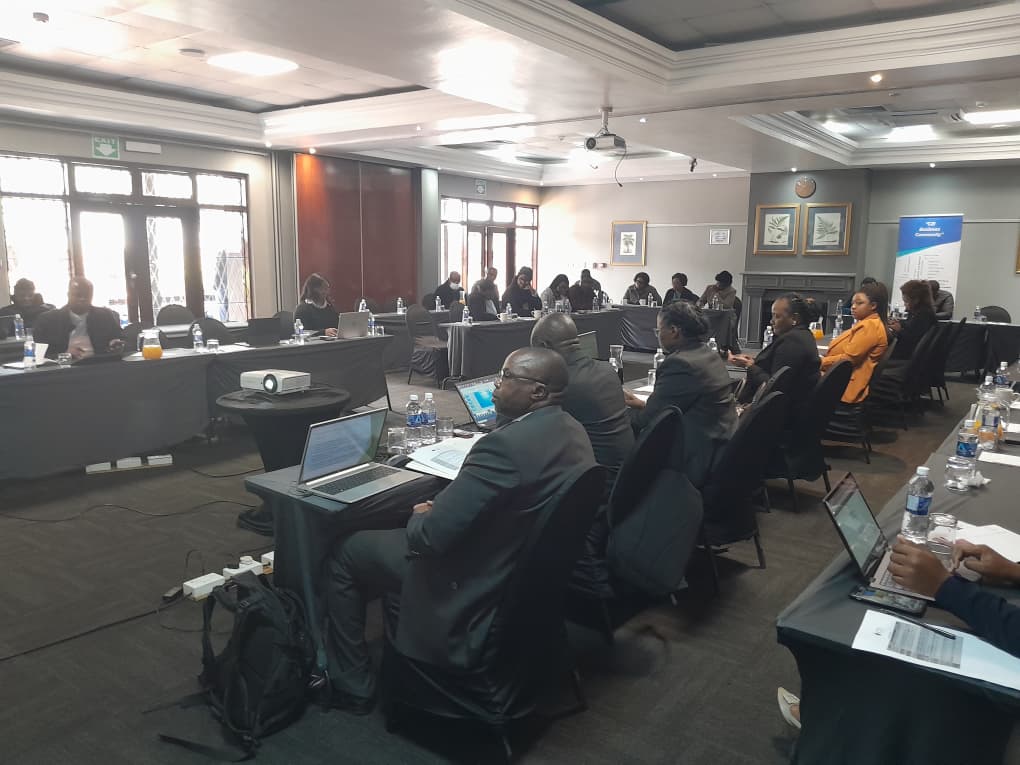
Sikhulekelani Moyo [email protected]
The Confederation of Zimbabwe Industries (CZI) has called for a shift from trade awareness to practical, skills-based training to help businesses take advantage of regional and continental trade agreements.

Speaking at the opening of a seminar on Utilisation of Trade Agreements and Facilitation Tools in Bulawayo on Wednesday, CZI Matabeleland Chapter president Mr Steven Ncube said Zimbabwe’s limited export growth was linked to the low utilisation of trade agreements such as the African Continental Free Trade Area (AfCFTA), SADC and COMESA.
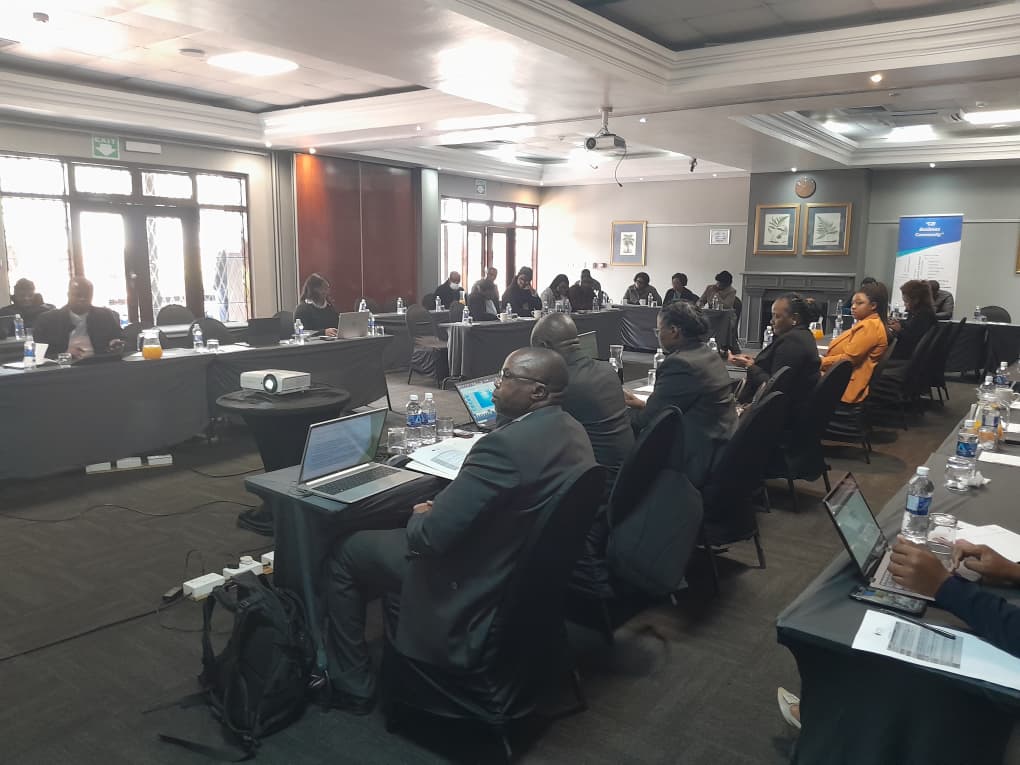
“While these frameworks offer preferential market access, their utilisation by the private sector remains limited,” Mr Ncube told delegates drawn from the manufacturing, agriculture and logistics sectors.
“A key constraint is limited technical capacity to operationalise these agreements.”
Mr Ncube said businesses continue to struggle with rules of origin compliance, tariff navigation, customs procedures and the use of trade facilitation instruments administered by the Zimbabwe Revenue Authority (Zimra).
He said previous engagements had largely focused on sensitisation, while the latest seminar was designed to move businesses beyond awareness towards practical application.
“There is now a clear need to shift towards practical, skills-based training that enables businesses to directly apply trade agreements in their day-to-day operations,” said Mr Ncube.
The seminar seeks to equip firms with tools to effectively utilise agreements such as AfCFTA, SADC, COMESA, EU-ESA-EPA and UK-ESA-EPA. It also focuses on helping businesses apply rules of origin, meet documentation and compliance requirements, use Zimra trade facilitation instruments effectively, and identify, report and resolve Non-Tariff Barriers (NTBs).
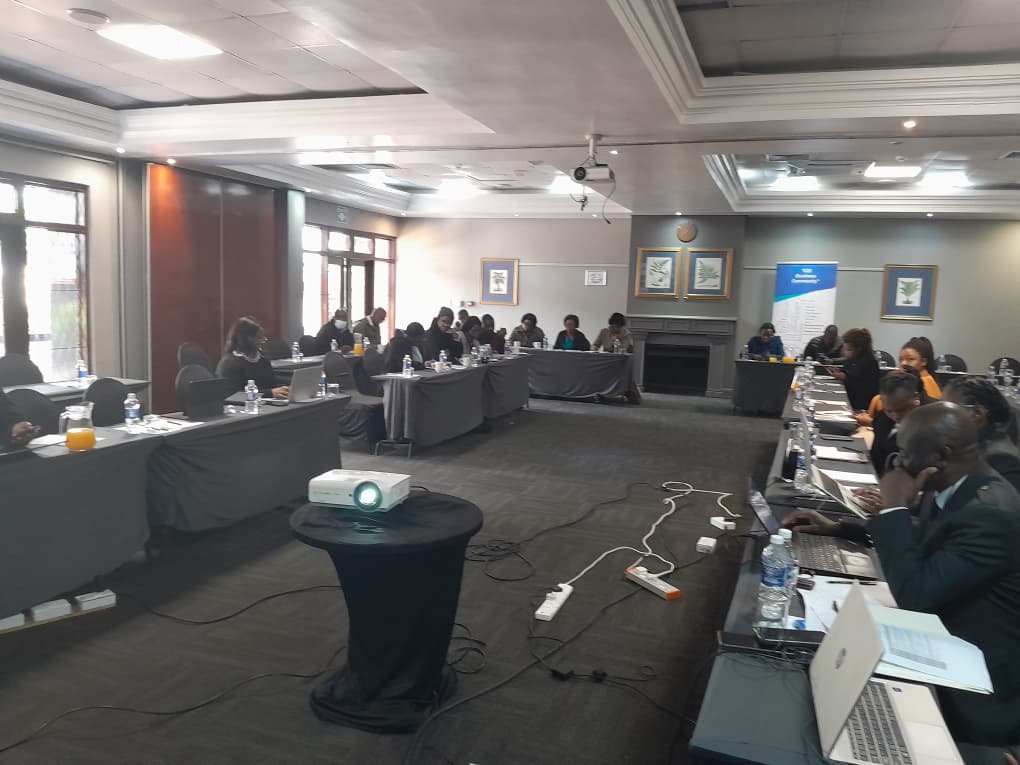
Mr Ncube said increasing exports was critical for earning foreign currency, expanding markets and driving industrial growth in Matabeleland and the country at large.
“Our goal is simple: to give you the hands-on knowledge and tools you need to export competitively and confidently,” he said.
Participants welcomed the shift towards practical training, which they said would help improve the private sector’s ability to benefit from regional and international trade opportunities.
CZI said it would continue working with Zimra, the Ministry of Industry and Commerce, and regional partners to ensure follow-up support for firms.
Zimbabwe ratified the AfCFTA in 2020 and has since been implementing the guided trade initiative to pilot exports under the agreement. However, uptake by SMEs remains low across the region due to technical and information gaps.


 Bongani Ndlovu