Online Reporter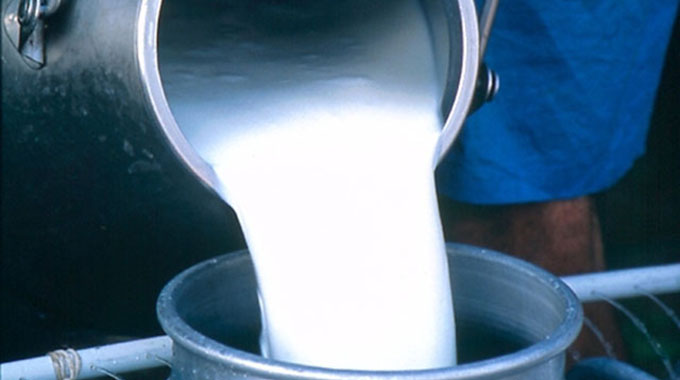
Tina Nleya
WHEN we speak about strengthening Zimbabwe’s agriculture sector, the conversation often starts with production: how much maize was harvested, how many litres of milk were produced, how many cattle went to the market or how horticultural output is performing.
But there is another side of the equation that deserves just as much attention: demand.
Farmers can produce, processors can invest and the Government can come up with supportive policy, but if the final consumer does not choose local products, the domestic value chain remains weaker than it should be.
The Government has made several interventions to encourage local procurement and support domestic producers, including Statutory Instrument 87 of 2025.
Such measures are important because they create room for local farmers and processors to supply the market.
However, policy alone cannot build a competitive agriculture industry. The consumer also has a role to play.
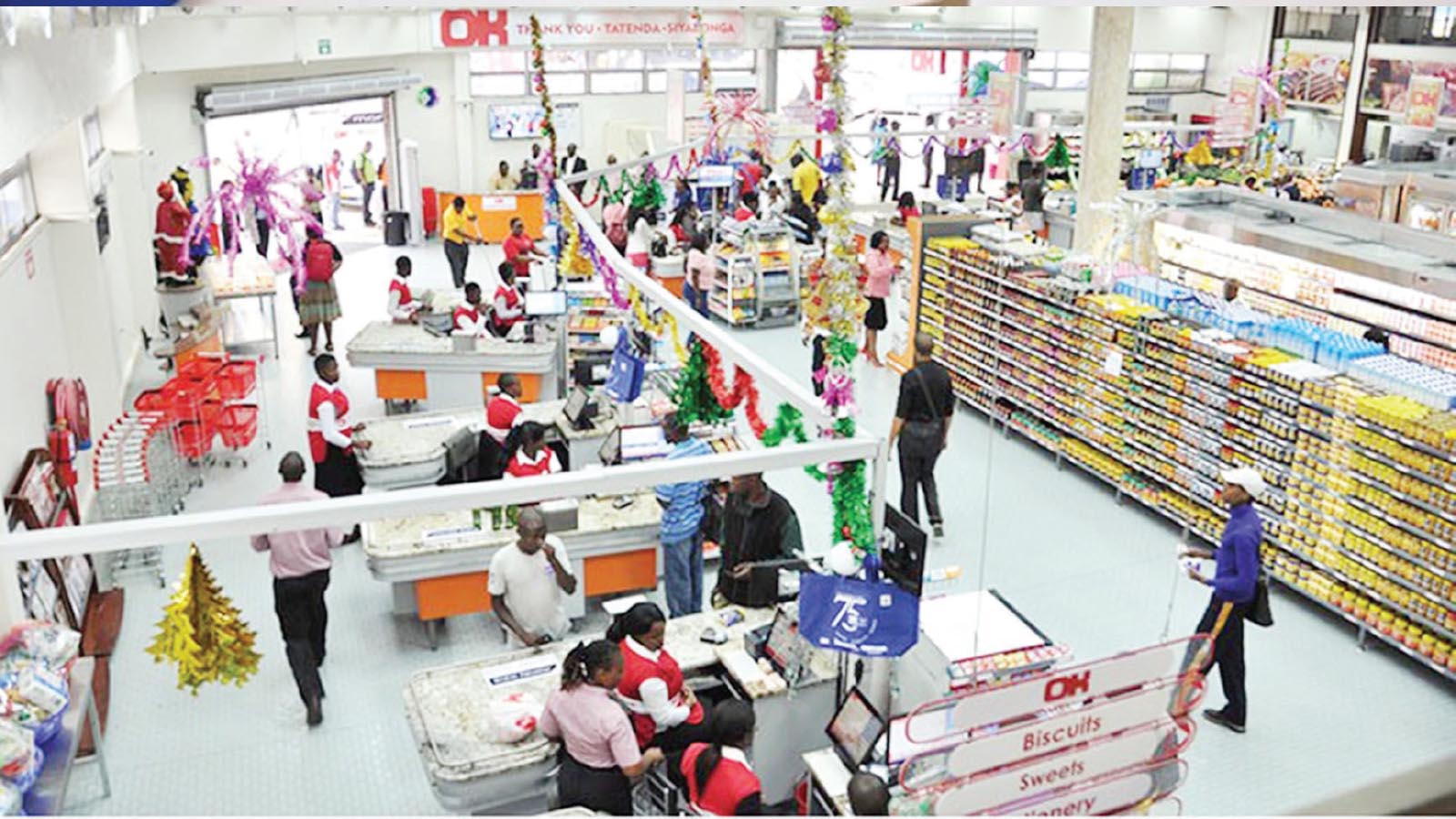
Every time we enter a supermarket, a butchery, market or food outlet, we are making an economic choice.
Choosing locally produced vegetables, fruit, meat, milk, grain products and other agricultural goods is, in a very practical sense, a vote for local production.
The latest Agricultural Marketing Authority (AMA) market update gives us a useful perspective. Between April 1 and September 4, 2026, marketed maize volumes reached 449 399 tonnes, compared with 200 160 tonnes during the same period in 2025, representing a 125 per cent increase.
Marketed soyabean volumes also rose by 39 per cent to 51 050 tonnes.
These are encouraging figures. They show that when production responds, the country has the capacity to place significant volumes on the market.
The economic argument for buying local is simple. Demand creates a signal. When local products move quickly off the shelves, retailers reorder, processors increase throughput and farmers receive a clearer indication that there is a market worth producing for.
That demand supports jobs beyond the farm gate: in transport, packaging, storage, processing, wholesale and retail.
The value of one purchase, therefore, travels further than the till. It supports an entire chain of economic activity.
The same point can be made in dairy. Zimbabwe’s milk production has continued on an upward path.
Processor intake reached 61.3 million litres in the first six months of 2026, up by 7.11 per cent from the same period in 2025.
This growth is positive, but continued investment in the dairy industry requires a strong domestic market.
When consumers deliberately choose locally produced milk, yoghurt, cheese and other dairy products, they help sustain the commercial case for further production and processing.
Horticulture offers another useful example. Between January and June 2026, orange export volumes rose by 7.7 per cent, while blueberry exports increased by 102 per cent in volume compared with the same period in 2025.
These figures demonstrate that Zimbabwean producers can compete in demanding markets.
The challenge is to carry the same discipline into the local market, where consumers are increasingly influenced not only by price, but also by freshness, appearance, packaging, convenience and consistency.
This is where the message to producers becomes equally important.
“Buy local” cannot mean “buy local regardless”.
Consumers should not be expected to choose a bruised tomato, a poorly packaged product or an inconsistent cut of meat simply because it was produced in Zimbabwe.
Local producers and processors must make the local choice attractive. Produce must be clean, graded and well-presented. Packaging must protect the product and communicate quality.
Meat and dairy products must inspire confidence through hygiene, cold-chain management and consistency. Branding must improve. Supply must be reliable. In short, local products must compete for the consumer’s basket, not merely expect it.
Price also matters. Households are managing real budgets, and loyalty to local production cannot be separated from affordability. The answer is not simply to ask consumers to pay more.
Producers and value-chain players must continuously improve productivity, reduce post-harvest losses, strengthen aggregation, improve logistics and remove unnecessary costs between the farm and the shelf. Competitiveness begins with efficiency.
Retailers and institutional buyers also sit in an important position. They can improve visibility for local products, communicate quality specifications clearly and build stronger procurement relationships with farmers and processors.
A farmer who understands what the market wants is better-placed to produce for that market. This is the principle behind market-led production: Produce with the buyer, quality standard, volume and timing in mind.
Buying local first should, therefore, not be understood as shutting out trade or pretending that every commodity can always be produced locally.
Trade remains important for balancing supply, managing shortages and accessing goods we do not produce competitively.
The point is that where a quality local alternative exists, it should be given fair first consideration.
A competitive agriculture sector is built when everyone plays their part. The Government creates the enabling environment.
Farmers produce. Processors add value. Retailers connect products to consumers. Institutions provide market information and regulation. And consumers complete the chain through the choices they make.
The word from the market is, therefore, straightforward: Buy local first, but let us also make local worth buying.
If consumers support Zimbabwean products and producers respond with quality, value, consistency and attractive presentation, we create a stronger market for our farmers, a stronger agro-processing industry and a more resilient agricultural economy.
That is how local demand becomes more than a slogan: It becomes an engine for growth.
Tina Nleya is AMA’s marketing and public relations manager. She can be contacted by email: [email protected]. Word From The Market is a column produced by AMA to promote market-driven production.