Online Reporter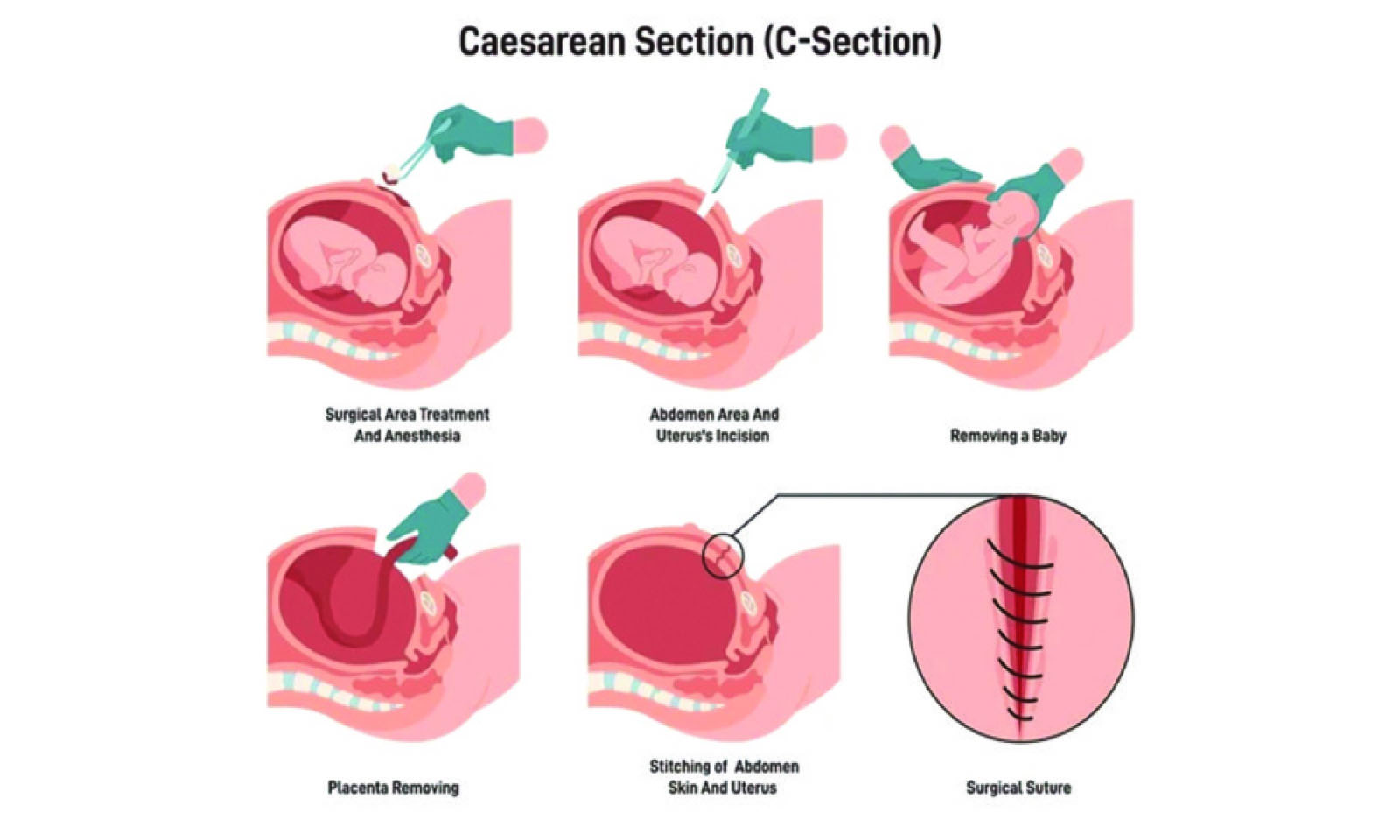
Jimmy Murwira
Across Zimbabwe and many parts of the world, the birth experience is changing dramatically.
Where natural childbirth was once the default, today more women are giving birth via caesarean section (C-section), sparking concern and debate.
Is this trend driven by medical necessity, commercial interest, or shifting societal dynamics?
Some argue that hospitals, particularly private ones, are motivated by financial gain, while others believe women today simply lack the strength or stamina that their mothers and grandmothers once had.
Whatever the case, the rising number of C-sections is impossible to ignore.
Medical complications undoubtedly justify many C-sections.
Breech presentations, prolonged labour, placenta previa, and foetal distress all require surgical intervention.
In such cases, C-sections are lifesaving. Zimbabwean obstetricians have reiterated that in many hospitals, the procedure has significantly reduced maternal and infant mortality.
Yet, the concern arises when C-sections are performed without clinical urgency.
There are growing indications that financial incentives might influence decisions in some private hospitals.
Compared to natural births, C-sections are more expensive, often requiring advanced equipment, longer hospital stays, and more personnel.
In Zimbabwe, private maternity clinics have been known to charge several hundred dollars more for C-sections than for natural births, raising eyebrows among health advocates.
In addition to economic motivations, cultural and psychological factors have also influenced women’s choices.
Fear of pain and potential trauma associated with natural childbirth often leads women to voluntarily opt for surgery.
Today’s woman is more aware of the bodily changes and long-term risks associated with natural delivery, such as tearing, pelvic floor injuries, and incontinence.
In contrast, a C-section offers the promise of a pain-free delivery, precise scheduling, and minimal birth-related trauma, at least in the short term.
This convenience appeals not only to mothers but also to doctors, who can better manage their workload with scheduled procedures.
Lifestyle changes may also be a factor. Women today, especially in urban environments, are often less physically active compared to previous generations.
They are more likely to lead sedentary lifestyles, consume processed foods, and experience higher stress levels.
Some midwives in Zimbabwe have expressed concern that the lack of physical stamina, combined with inadequate prenatal exercise, could be reducing women’s ability to endure labour.
One midwife noted that older generations of women, who walked long distances and performed manual labour daily, were physically conditioned for childbirth in ways modern women are not.
However, the rise in C-sections also reflects changing societal values. In an era of career women, fast-paced routines, and social media influences, many women prefer to be in control of when and how they give birth.
The idea of “planning” a birth, selecting a date, and avoiding prolonged labour appeals to the modern mindset. Yet, this shift comes with consequences.
Natural birth has several benefits.
It typically allows for quicker recovery, lower risk of surgical complications, and immediate bonding with the baby.
Babies born normally are also more likely to be exposed to beneficial bacteria that help build their immune systems.
Additionally, natural labour triggers the release of hormones that aid in milk production and emotional bonding.
However, it does carry risks such as pain, tearing, pelvic floor injuries, and even the possibility of emergency surgery if complications arise during delivery.
On the other hand, C-sections offer predictability and reduced trauma during birth but carry longer-term risks.
Recovery can take up to six weeks, and women are at increased risk for infections, blood clots, and complications in future pregnancies.
There are also emotional considerations.
Some mothers report delayed bonding with their newborns due to the after-effects of anaesthesia and the restricted mobility post-surgery.
In public hospitals, the growing number of C-sections is beginning to strain already limited resources, from operating rooms to post-operative care units.
The global trend is mirrored in Zimbabwe’s urban hospitals, where more women are requesting elective C-sections.
The World Health Organisation has long advised that C-section rates above 15 percent are rarely justified on medical grounds.
Yet, in some countries, rates have exceeded 50 percent, and Zimbabwe is beginning to follow suit. This highlights a need for better regulation and stronger public health education.
Medical practitioners and policymakers should ensure that every woman has access to comprehensive, unbiased information about her birth options.
Prenatal counselling should address the pros and cons of both delivery methods, allowing women to make informed decisions based on their health needs rather than fear or financial pressure.
There is also a need to promote better nutrition and physical activity among women of childbearing age to help them build the stamina necessary for natural labour when it is medically appropriate.
Ultimately, the choice between natural birth and C-section is a personal one, but it should be made within a healthcare system that prioritises safety, dignity, and informed consent.
While medical advancements have given women safer delivery options, we must ensure that the rise of C-sections is not driven by profit or misinformation.
In celebrating women’s autonomy over their bodies, we must also protect their health and uphold the integrity of maternal care in Zimbabwe and beyond.