Herald Reporter
A NEW community health initiative, CAA3 Smile, has been launched to provide free dental services to war veterans, senior citizens and other disadvantaged people, with organisers targeting underserved and remote communities across Zimbabwe.
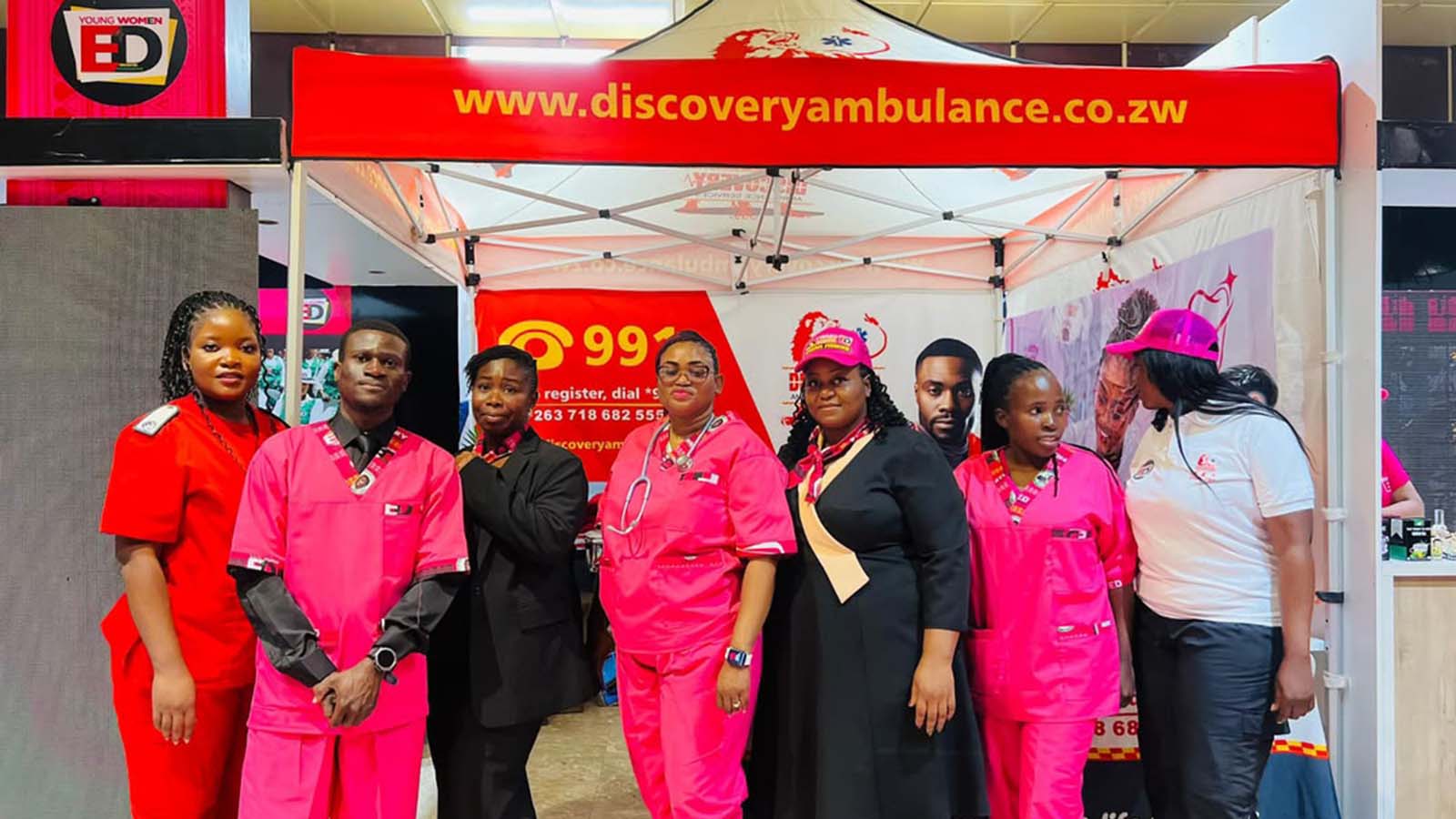
The initiative, spearheaded by Young Women for Economic Development (YW4ED) health activist Ms Lister Kanyangidze, is being implemented in partnership with dental professionals from Disbonile Dental Laboratory Services.
The programme was conceived as a practical community intervention following the enactment of Constitutional Amendment Act No. 3 of 2026 (CAA3), with organisers seeking to translate the development agenda associated with CAA3 and Vision 2030 into tangible benefits for communities.
Kanyangidze said CAA3 Smile was intended to put a human face to development by taking dental care directly to people who often struggle to access conventional dental facilities.
“CAA3 Smile is about turning the development vision into something people can feel and experience in their everyday lives,” she said.
“A smile restored, a war veteran receiving dentures or an elderly person getting treatment at home is a practical demonstration of development,” she said.
The programme is prioritising war veterans, people aged 65 and above, pregnant women, toothless citizens, traditional leaders, councillors, inmates and other less privileged groups.
Services include dental examinations, pain management, extractions, denture assessments, denture fabrication and repairs, as well as oral health education.
Home-based services are also being considered for elderly beneficiaries whose mobility is limited.
Kanyangidze said the initiative was born out of observations that many vulnerable people were unable to access dental services because of cost, distance and mobility challenges.
“We realised that there are people in remote communities who live with dental pain or without teeth simply because they cannot afford treatment or travel long distances to a dental surgery. We want to take the service to them,” she said.
The need for such interventions is underscored by the World Health Organisation, which says access to oral health services remains unequal, particularly among low-income populations, older people and communities in remote and rural areas.
WHO also identifies the cost of treatment and unequal distribution of oral health professionals as major barriers to accessing oral healthcare.
Zimbabwe’s oral health profile recorded a 28,1 percent prevalence of untreated caries in permanent teeth among people aged five and above, while edentulism among people aged 20 and above stood at 7,3 percent, based on 2019 data.
The profile also recorded 248 dentists and 25 dental prosthetic technicians in 2019.
Disbonile Dental Laboratory Services is playing a key role in the initiative by providing technical expertise and supporting the provision of dental and prosthetic services to beneficiaries.
An official, Mr John Chatambarara, said the partnership was driven by the need to bridge the gap between communities requiring oral healthcare and the professionals and facilities capable of providing it.
“We saw an opportunity to use our expertise to make a difference in the lives of people who ordinarily cannot afford these services,” he said.
“Dental health is not a luxury. It affects how people eat, speak, work and interact with others, and we believe that everyone deserves an opportunity to receive proper oral healthcare.
He said the initiative was particularly important for vulnerable people who had gone for years without treatment or had lost teeth but could not afford dentures.
“For some of the beneficiaries, something as simple as receiving an assessment, having a painful tooth treated or being assisted with dentures can completely change their quality of life. We are therefore not only treating teeth; we are helping restore confidence and dignity,” he said.
“The vision is much bigger than one outreach programme. We want to see this initiative reaching communities where access to dental services is limited.
“With the right partnerships, equipment and resources, we can take these services to more people across the country.”
Kanyangidze said CAA3 Smile would use an outreach model covering homes, rural communities, war veterans’ centres, antenatal and community health points, traditional leadership structures, prisons and other partner institutions.
“Our vision is to cover all provinces. We do not want this to remain a Harare-based initiative,” she said.
“The people who need these services most are often in communities that are far from dental facilities.”
The organisers are also working on a longer-term model involving mobile dental units and modern laboratory equipment to expand the programme.
The proposed roadmap includes mobilisation and procurement of mobile vehicles and dental chairs, establishment of a facility and training hub, pilot outreach programmes and eventual partnerships with clinics, medical aid societies and universities.
The programme also envisages a sustainability model combining free and subsidised services with commercial dental laboratory work, private dental surgery, medical aid partnerships, CAD/CAM training, university partnerships and consultancy services.