Online Reporter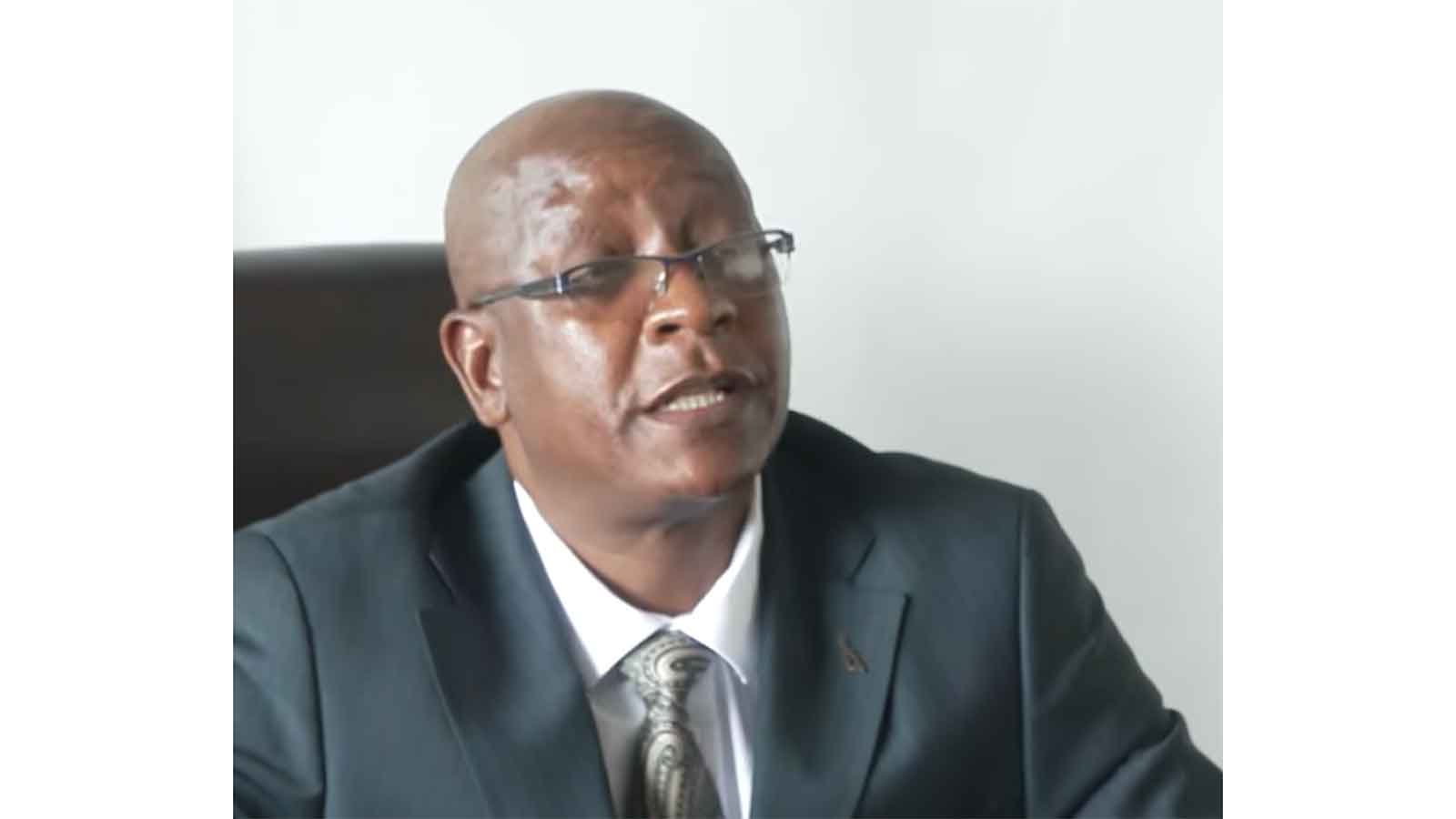
Richard Muponde
Zimpapers Politics Hub
WHEN legislators file into the new Parliament Building in Mt Hampden today, they will not simply be resuming business after a brief recess, but will be stepping into what many observers believe could become one of the most consequential constitutional moments in Zimbabwe’s post-independence history.
The Constitutional Amendment No. 3 Bill (CAB 3) is set to be introduced for the first time in the National Assembly, beginning a legislative journey that Zanu PF, supporters of the Bill and sections of the public describe as a necessary reform to consolidate political stability and accelerate economic transformation, while critics argue it could fundamentally alter the country’s democratic architecture.
The atmosphere surrounding the Bill bears similarities to previous landmark constitutional and legislative milestones that ultimately became law.
Like earlier constitutional amendments and major governance reforms, anticipation has been steadily building in political circles, parliamentary corridors, business communities and among ordinary Zimbabweans eager to see the direction the debate will take.
With Parliament resuming after recess, all eyes will be on Justice, Legal and Parliamentary Affairs Minister Ziyambi Ziyambi, who is expected to formally table the Bill.
A House Ready for Debate
Parliamentary officials and legislators have spent weeks preparing for the debate following the conclusion of a 90-day public consultation process.
Minister Ziyambi outlined the next stages of the process.
“It being a Constitutional Bill, it’s not referred to the Parliamentary Legal Committee, which would then allow me, if I am comfortable, to proceed to the second reading speech, where I will formally now unpack the Bill to parliamentarians, explaining the provisions of the Bill, the rationale and opening up debate so that the various committees that undertook public hearings can then present their committee reports on what members of the public said.
“(They will also present) what they also believe the Bill should be and, after that, it will be opened to all Members of Parliament to debate, to proffer suggestions on clauses, what they think they should be like, and when all that debate is completed, I will then be able to respond to all the submissions.”
The minister further indicated that parliamentary deliberations would determine whether certain provisions are refined before the Bill advances.
“If there is need to adjust or to drop some clauses, I will then, in my closing speech after the second reading speech, indicate if that consideration will be done before we then proceed to the committee stage. But it will depend on the debate, how it goes in Parliament, and hopefully we should be able to conclude the processes by the end of June.”
These remarks have heightened expectations of robust and extensive debate as Members of Parliament prepare to scrutinise the Bill clause by clause.
The People’s Voice Arrives in Parliament
The debate comes after what is widely regarded as one of the most extensive public consultation exercises undertaken by Parliament in recent years.
Chairperson of the Parliamentary Portfolio Committee on Justice, Legal and Parliamentary Affairs, Cde Eddison Zvobgo Jr, confirmed that the committee had completed the consolidation of submissions from across the country.
According to the committee, public views varied depending on the specific clauses under consideration, reflecting both support and reservations among different sections of society.
The committee’s report is expected to provide critical guidance to legislators as debate commences.
For many Zimbabweans who participated in public hearings, today’s sitting represents the moment when their views formally enter the parliamentary record.
CAB 3 and the Vision 2030 debate
Zanu PF and CAB 3 supporters argue that the proposed reforms are designed to create policy continuity and political stability necessary for the successful implementation of Zimbabwe’s development agenda.
Government presentations on the Bill have consistently linked the proposed reforms to long-term national planning, arguing that stability is essential for infrastructure development, industrialisation, investment attraction and the attainment of Vision 2030.
President Emmerson Mnangagwa has emphasised the importance of political stability and policy consistency in driving economic transformation.
Most recently, during the First Cabinet Meeting of 2026, which he chaired on February 10, Cabinet approved the Constitutional Amendment No. 3 Bill and described it as a package of reforms aimed at strengthening constitutional governance, promoting political stability and enhancing the efficiency of State institutions.
Within Zanu PF and among proponents of the Bill, the prevailing sentiment is that constitutional reforms should support uninterrupted implementation of national development programmes, infrastructure projects and economic modernisation initiatives.
Many supporters view the Bill as part of a broader national journey towards economic sovereignty, self-determination and sustained growth.
Signs of broad Parliamentary support
Political analysts expect CAB 3 to receive significant backing when debate begins.
Reports emerging from various political formations suggest that support for some provisions of the Bill extends beyond traditional party lines, potentially strengthening its prospects as it moves through Parliament and later the Senate.
Within Zanu PF, support appears firm and organised, with party members describing the Bill as a strategic instrument for long-term national planning and governance reform.
Should that support remain intact throughout the legislative process, CAB 3 could move steadily through the various parliamentary stages before reaching the President for assent.
The Substance of the Bill
Among its major proposals, CAB 3 seeks to extend presidential terms from five years to seven years, provide for the election of the President by a joint sitting of Parliament, establish a Zimbabwe Electoral Delimitation Commission, transfer management of the voters’ roll to the Registrar-General and expand the Senate through additional presidential appointments.
Supporters argue these measures would streamline governance structures, reduce institutional overlap and strengthen policy continuity. Critics maintain that some of the proposals require deeper national consensus.
A Defining Week for Zimbabwe
As dawn breaks over Mt Hampden today, Parliament will become the arena where competing visions of Zimbabwe’s future are tested through democratic debate.
When the Clerk reads the long title of the Constitutional Amendment No. 3 Bill and Minister Ziyambi rises to introduce it, a new chapter in Zimbabwe’s constitutional evolution will begin — one that could shape the country’s political and economic trajectory for generations to come.