admin
admin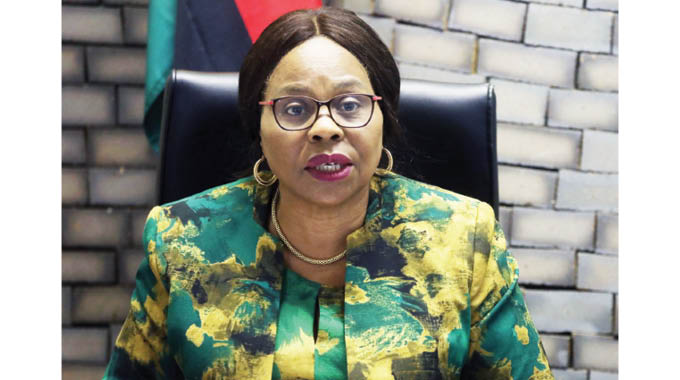
Elita Chikwati, Harare Bureau
CABINET has considered and approved a memorandum of understanding (MoU) between Zimbabwe and a global firm, Life Academy, on co-operation in the field of energy.
The move will see the development of modern and sustainable energy systems inclusive of all forms of renewable energy such as solar, wind, hydro, bio (including waste to energy) and geothermal.
Renewable energy sources will promote sustainable use of natural resources and environmental conservation.
Addressing journalists after yesterday’s Cabinet meeting, Information, Publicity and Broadcasting Services Minister Monica Mutsvangwa said the MoU provided a governing framework for co-operation and investment in the development of renewable energy sources, thereby boosting the use of clean energy.
She said the MoU underscored Government’s commitment to enhance local generation of energy, which is expected to lead to increased access to affordable, reliable renewable energy and access to electricity by the vulnerable and disadvantaged communities.
“Life Academy is a global actor in capacity building and knowledge exchange for sustainable development, and was commissioned by the Swedish Development Cooperation Agency (SIDA) to plan and implement a Global Capacity Development Programme on Renewable Energy to contribute to the development of renewable energy and energy efficiency.
“The programme will be premised on three pillars, which are; learning and knowledge transfer, change management, and experience sharing to include policy formulation, technology solutions and investments,” she said.
Minister Mutsvangwa said the envisaged training programme, which has already commenced, will be expanded to benefit many Zimbabweans as part of the broader human capacity development programme for the nation in line with Vision 2030.
On the issue of the country’s power supply situation, Minister Mutsvangwa said Cabinet remained seized with the current power outages that are adversely impacting on production across all sectors of the economy.
“Of major concern is the vandalism that is being perpetrated by unruly elements on electricity transmission and distribution infrastructure.
“Measures to curtail this trend, which is tantamount to sabotage, are being instituted. Investors are being invited to participate in the development of alternative technologies intended to minimise the acts of vandalism and theft of essential equipment,” she said.
The Minister said Zimbabwe’s power generation capacity was facing challenges due to the drought that has adversely affected the main hydroelectric power station at Kariba.
Power augmentation projects are being implemented countrywide, mainly focusing on solar.



 Online Reporter