Online Reporter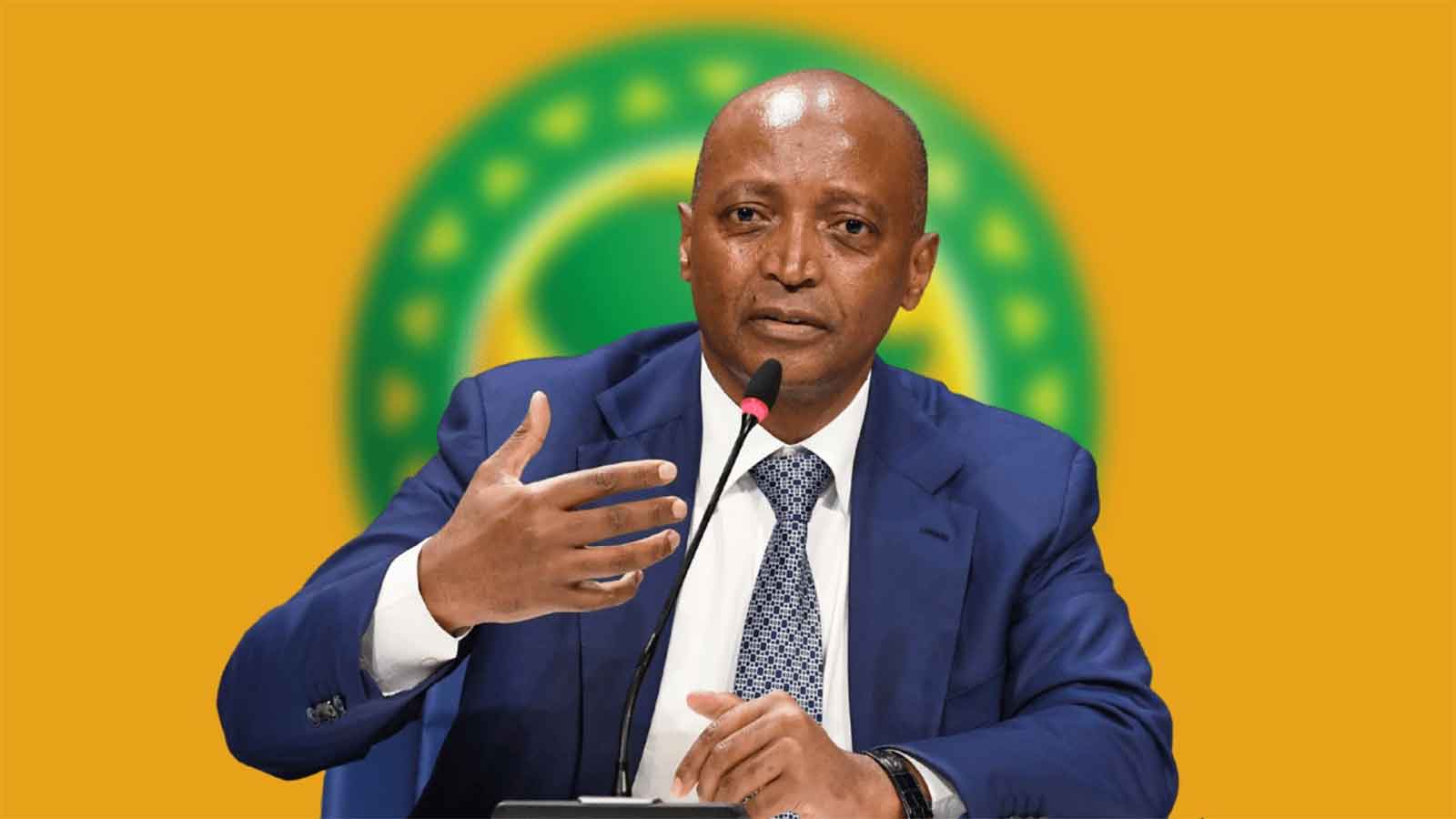
THE Confederation of African Football have been accused of pushing through its controversial decision to stage the Africa Cup of Nations every four years without properly consulting member federations.
Several presidents of African football federations have told the Guardian they were not informed of the decision until it was surprisingly announced by the CAF president, Patrice Motsepe, on December 20, prompting claims that the confederation breached its statutes by failing to seek approval at a general assembly.
That is based on a contention that major changes to competition formats must be ratified by the 54-member associations, although that has been disputed by senior sources at CAF.
Discussions were limited initially to a small group within the executive committee, then to the 24 ExCo members before the switch from hosting the tournament every two years was confirmed on the eve of the edition in Morocco that ends tomorrow.
“The decision was already made,” said one federation president who did not want to be named.
“They said it would be discussed in Morocco but in the end there was no discussion. We’re killing ourselves. If there had been a general assembly and all the presidents were allowed to vote, it would never have passed.”
The Guardian understands the move to a four-year cycle was first raised during a meeting involving some of CAF’s ExCo about a month before Motsepe’s announcement, although a spokesperson for CAF has denied any such meeting took place. A full ExCo meeting was held in Morocco last month, the day before Motsepe confirmed the change. That includes representatives of 23 federations, the Democratic Republic of the Congo having two members.
Morocco’s president Fouzi Lekjaa, who is a CAF vice president, Cameroon’s president, Samuel Eto’o and Djibouti’s president, Souleiman Hassan Waberi, are said to have spoken heavily in favour of the move, which will take effect from 2028.
Several federation presidents said they had become aware of the proposal only through rumours and informal conversations.
One said: “No one came to us officially.” Another described CAF’s executive committee as “puppets”, alleging that key decisions were driven by Veron Mosengo-Omba, the general secretary accused of creating a toxic culture of fear at the confederation, under pressure from FIFA and their president, Gianni Infantino.
A spokesperson for CAF said the ExCo members unanimously voted for the change.
“After ExCo, the (CAF) president met the presidents of the 54 member associations and briefed them about the decisions of ExCo where he also allowed questions and answers,” he said.
CAF have insisted that Article 23.10 of their statutes, which says the ExCo “shall be the supreme authority for all matters concerning CAF competitions”, means the ExCo was permitted to take the decision. However, that has been disputed by legal and governance experts with experience of working for CAF.
They have insisted that the general assembly remains the supreme authority and should have been involved in a decision of such magnitude.
“The CAF executive committee (as a subordinate executive body) is strictly limited to the exercise of powers explicitly delegated to it and cannot lawfully decide, amend or implement decisions falling within the exclusive competence of the CAF general assembly, irrespective of unanimity,” they said.
“Any act adopted ultra vires by the CAF ExCo is legally invalid.”
They say any attempt by FIFA to change the World Cup from every four years to every two would require ratification from its congress, which has the same legal standing as CAF’s general assembly. It is understood any breach of statutes can be investigated by CAF’s legal and compliance bodies and that a member association is able to challenge the legality of a decision at the Court of Arbitration for Sport or lodge a complaint with FIFA. – theguardian.com.