Chronicle Editor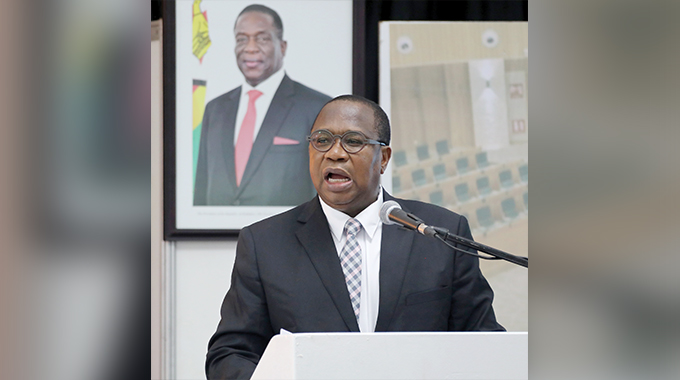
Nqobile Bhebhe, [email protected]
FINANCE, Economic Development and Investment Promotion Minister, Professor Mthuli Ncube, has emphasised the need to provide adequate resources for independent commissions to effectively execute their mandate in a transparent and accountable manner.
This includes improving responsiveness to societal challenges such as corruption, tender-preneurship, and resource leakages.
Speaking during the recent 2025 Pre-Budget Seminar held in Bulawayo, Prof Ncube said independent commissions, which were established by the Constitution, play a crucial role in rebuilding public trust in institutions, promoting social stability, peace and enhancing community well-being.
The seminar ran under the theme: “Building Resilience for Sustained Economic Transformation” and was attended by legislators, ministers, civic society leaders and private sector representatives.
The Chapter 12 commissions are the Zimbabwe Anti-Corruption Commission (Zacc), Zimbabwe Electoral Commission, Zimbabwe Human Rights Commission, Zimbabwe Gender Commission, Zimbabwe Media Commission, National Peace and Reconciliation Commission and Zimbabwe Independent Complaints Commission.

Prof Ncube said the 2025 National Budget will allocate resources to empower oversight institutions, enabling them to fulfil their mandates effectively.
“This includes increasing transparency and responsiveness to societal concerns such as corruption, tender-preneurship, and resource leakages.
“The 2025 National Budget will also focus on strengthening institutions involved in legislative reforms to ensure laws are aligned with constitutional provisions. This is essential for fostering accountability and good governance,” said Prof Ncube.
The fight against corruption is a critical pillar of Zimbabwe’s Vision 2030, which aims to transform the nation into an upper-middle-income society.
Experts believe that by rooting out corruption, Government can create a more favourable environment for investment, economic growth and sustainable development.
Zimbabwe is making considerable strides in fighting corruption through implementing laws and abiding by international obligations such as adopting the United Nations Convention Against Corruption (Uncac).
Domestication of this treaty has reinforced existing laws such as the Money Laundering and Proceeds of Crime Act, the Public Procurement and Disposal of Public Assets Act, and the Public Entities Corporate Governance Act, which are aimed at creating a strong framework that promotes transparency and accountability.
Prof Ncube said in view of the global economic landscape challenges and opportunities, the country needs to craft policies that address vulnerabilities, while also exploiting resource endowments to spur sustainable growth and the well-being of citizens.
To that end he said the upcoming national budget will allocate resources to institutions seized with the work of rebuilding trust and fostering co-operation with the international community through image building, engagement and re-engagement thrust.



 Online Reporter