Chronicle Editor
Leonard Ncube, Victoria Falls Reporter
DEPOSITORS in Matabeleland North Province are being forced to travel long distances to access banking services due to limited facilities.
Of the seven Matabeleland North districts, most banking services are concentrated in Hwange town and Victoria Falls, leaving other districts such as Binga, Bubi, Lupane, Nkayi, Tsholotsho and Umguza with one or zero banking service providers.
For instance, Binga and Lupane have Agribank and POSB while there are no banks in Bubi, Nkayi and Umguza. CBZ, which operated in Tsholotsho has also closed shop.
The situation has left farmers, civil servants, pensioners and businesspersons stranded with no option but to travel to Bulawayo and Victoria Falls to access salaries or other financial services.
Those in Nkayi and Bubi rely on banks in Bulawayo, Gweru, Gokwe and Kwekwe while those in Umguza capitalise on proximity to Bulawayo.
As a result, scores of workers for non-governmental organisations and big businesses such as safari and tourism operators as well as mining companies in the province, struggle to access salaries and wages at the end of each month.
Business Chronicle has observed that on pay days, some organisations carry their workers either to Bulawayo or Victoria Falls so they can access their salaries.
The challenge is serious, especially in Lupane, which is Matabeleland North’s provincial capital but only has Agribank and POSB. This also affects students at Lupane State University who have to travel to Bulawayo for financial services.
Binga, which has a big tourism and fishing industry as well as cotton and maize farming in Lusulu, is also affected. A number of banks have closed shop in Hwange partly citing high rentals at the Hwange Colliery run-town. Residents have implored the Hwange Local Board to leverage on the opportunities and build office space that can be occupied by banks in its area of jurisdiction.
Matabeleland North proportional representation legislator, Elizabeth Masuku, said they have taken up the issue through the Affirmative Action Group (AAG), which she chairs in the province and says there is a need for opening of more banks if the province is to grow.
“I want to appeal to the Government to facilitate opening of banks in every part of the country so that the elderly and pensioners can access their savings and welfare funds,” she said.
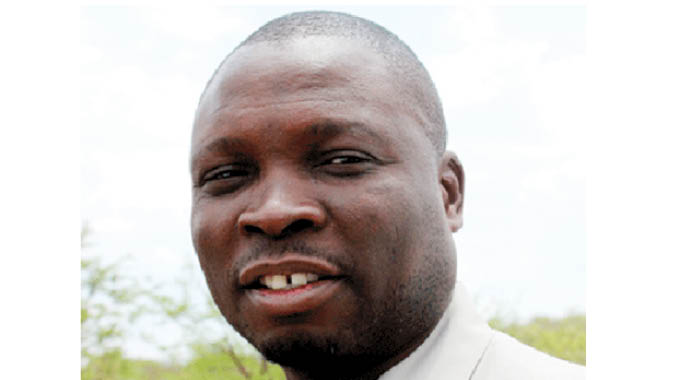
“There should be at least a bank at all urbanised areas and it is our hope that indigenous banks spread to the outskirts where people are because we have shops, grinding mills and other small businesses that need banking services.”
The legislator said lack of financial institutions affects company operations and discourages investors. Masuku also said businesses and people were forced to keep money at home, which is a security risk and discourages currency circulation.
Women’s Affairs, Community, Small and Medium Enterprises Development Minister, Dr Sithembiso Nyoni, said lack of banking facilities was a reflection of very low economic activity and cash flows in an area.
“The existence of banks is a reflection of level of economic activity in an area and we have to look at economic activities that warrant banks to be situated close to people,” she said.
“Also, we need to note that these days most banks are closing some branches because there is more use of digital banking and therefore it means if people want to borrow money they go to bigger towns.”
Matabeleland North Minister for Provincial Affairs and Devolution, Richard Moyo, said meaningful development demands that people access services locally.
“We should understand that the banking sector was once abandoned but people are now regaining confidence and we would want to encourage finance institutions to open banking halls outside main urban areas so that people access money locally,” he said.
“We now have a Stock Exchange in Victoria Falls and this should influence banks to move out of big cities to smaller urban areas.”
There are also concerns that shortage of banking services in the province slows potential progress that can be realised through the devolution agenda as some investors shun the province.
Citizens and businesses are also in danger of being robbed as criminals know people keep money either at home or in the business premises while the Government also loses potential revenue when people do not bank formally. — @ncubeleon



 Online Reporter